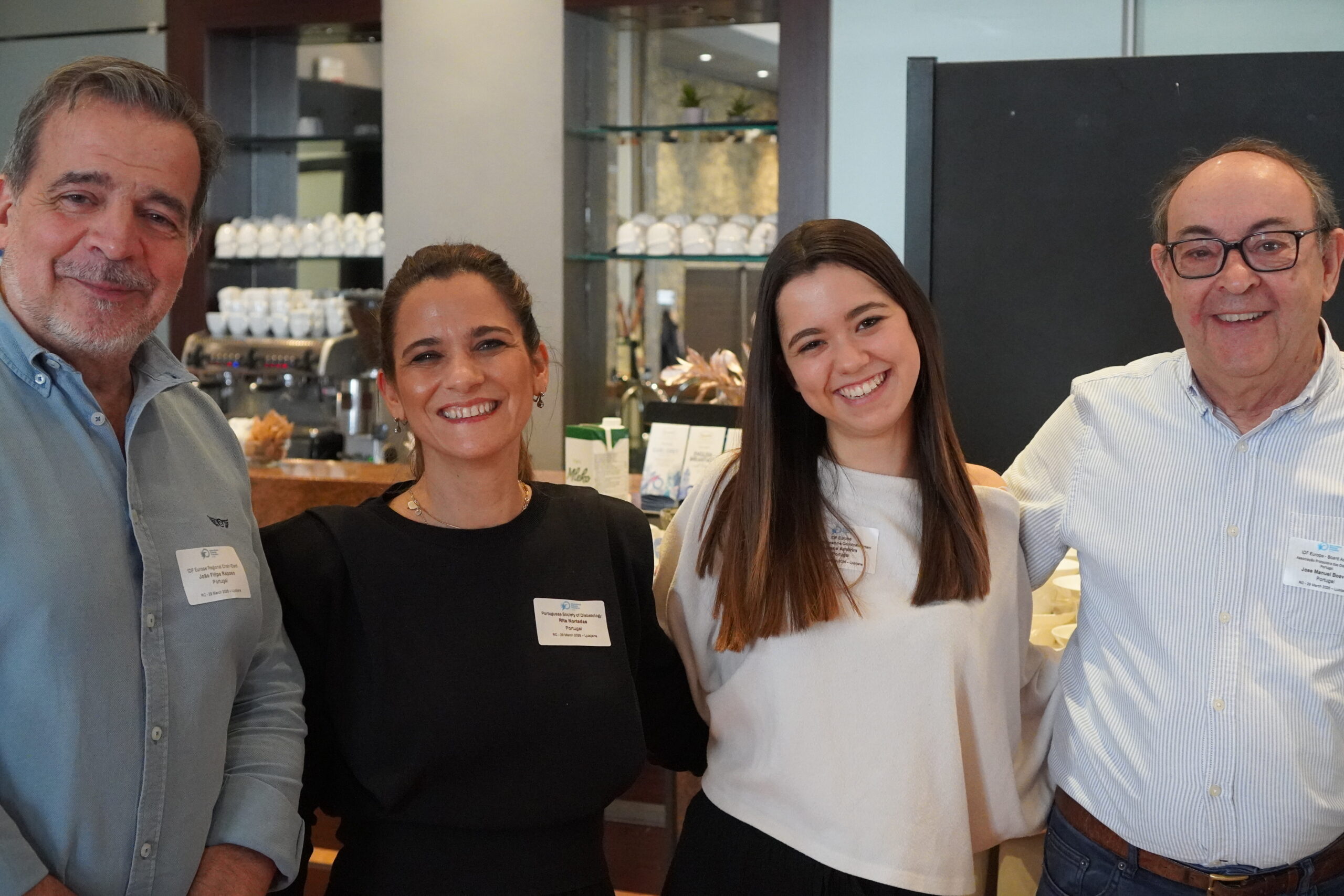
On March 29, during the IDF Europe Regional Council 2026 in Ljubljana, we had the pleasure of celebrating the 100th anniversary of the Portuguese Diabetes Association (APDP), a milestone marking a century of service, innovation and advocacy for people living with diabetes in Portugal.
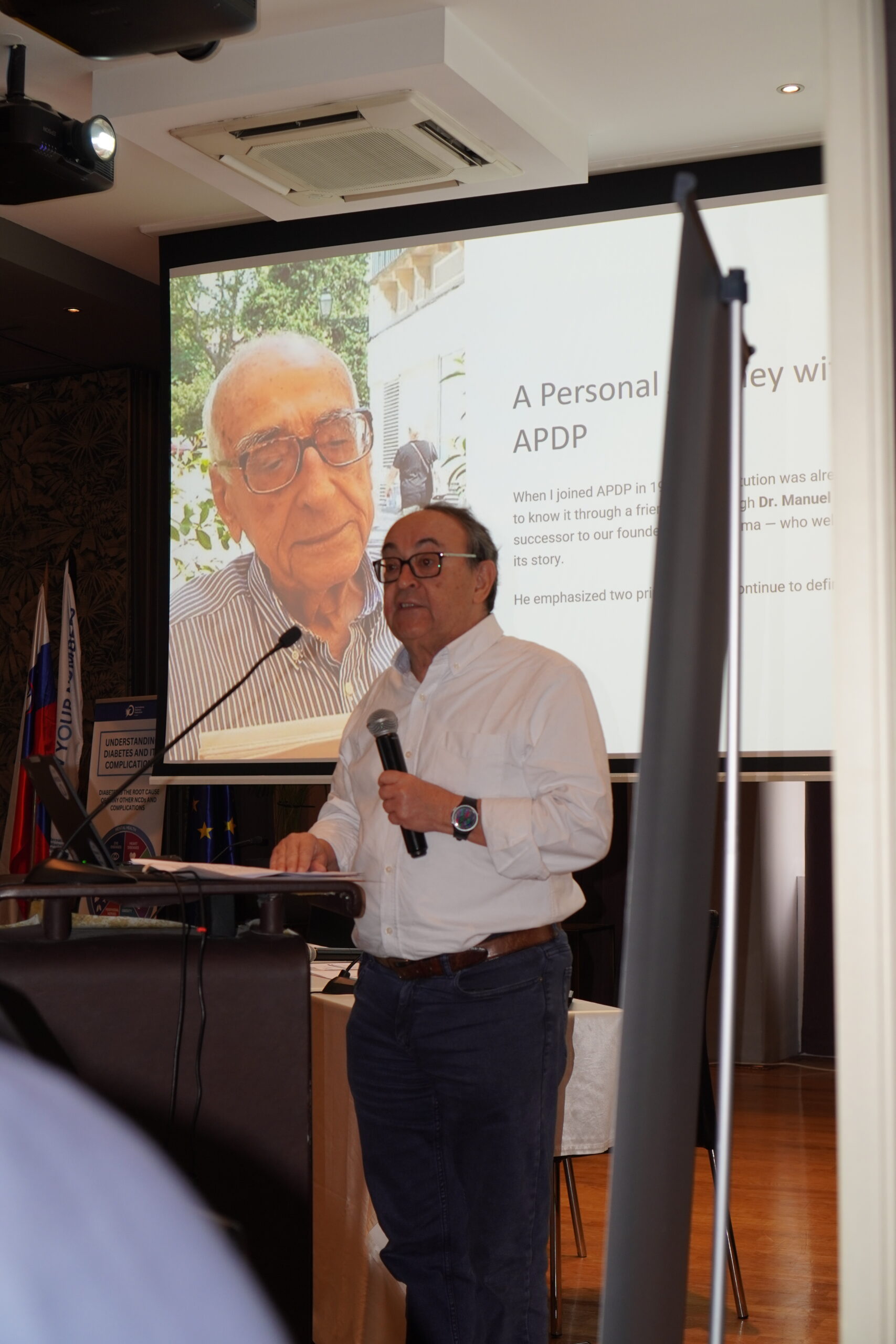
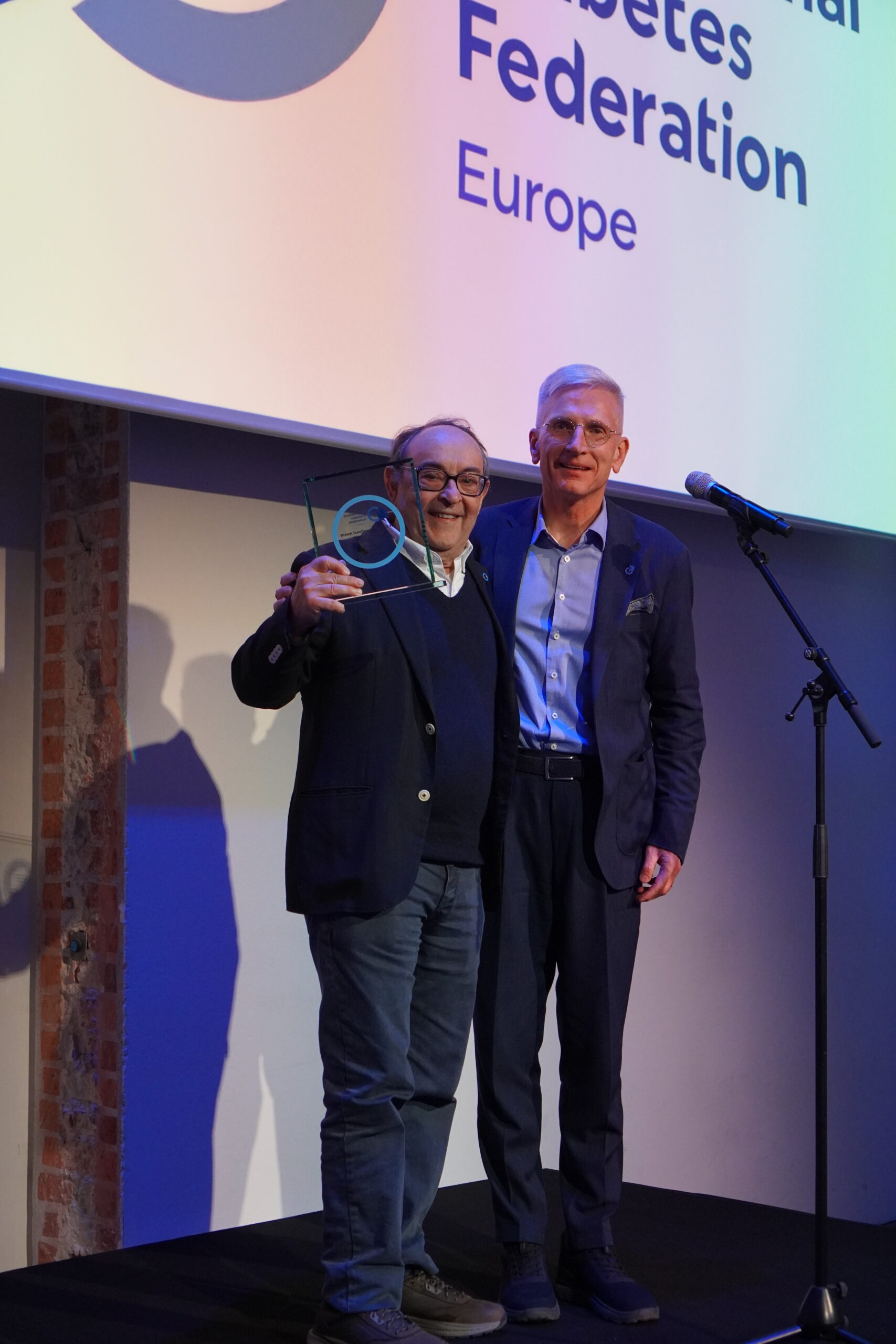
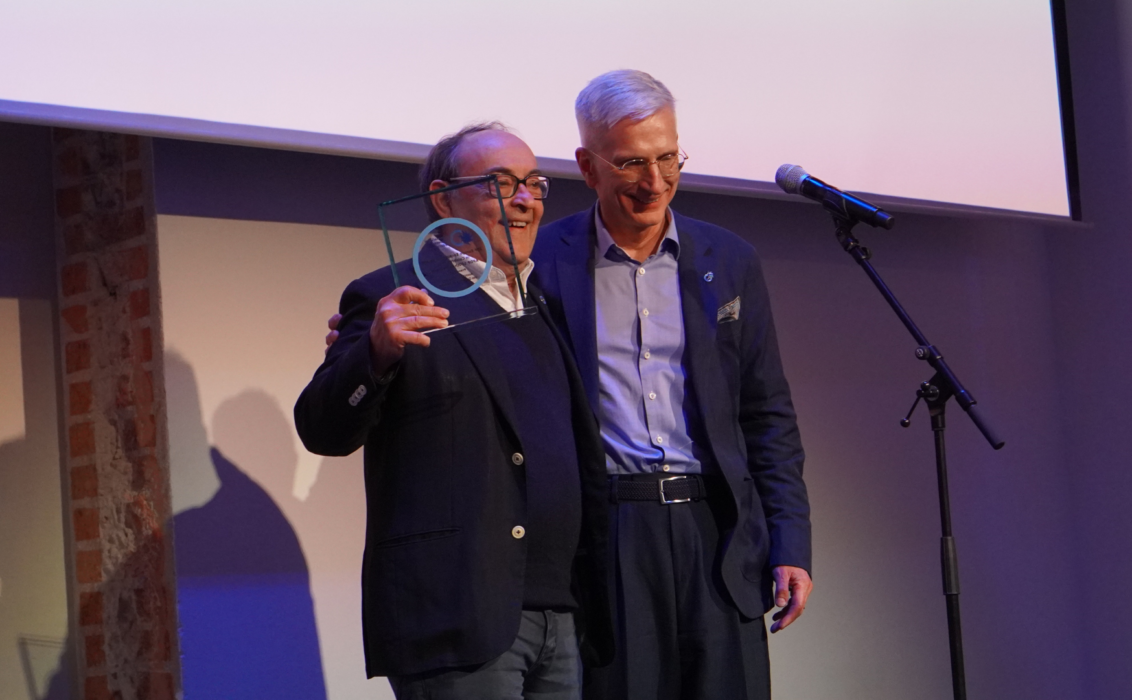
APDP President, Prof. José Manuel Boavida, delivered a heartfelt speech reflecting on APDP’s remarkable history, its pioneering approach to diabetes education and social inclusion, and its vision for the future. In recognition of its century-long contribution, APDP received a special award from IDF Europe, honouring its sustained commitment to the diabetes community through person-centred care, education, research and advocacy.
Prof. Boavida’s speech highlighted how APDP transformed diabetes care over the decades — from supporting children dependent on insulin to advancing modern education programs, improving quality of life and embracing new opportunities for prevention and early intervention. Looking forward, APDP aims to continue expanding its reach nationwide and establish a Diabetes Prevention Institute to support research, prevention and progress toward a cure.
Read Prof. Boavida’s speech in full:
“This year, we celebrate 100 years of service to people living with diabetes in Portugal. One hundred years of commitment, resilience and progress. And today, as we honour this remarkable journey, we also look firmly towards the future — towards the path to a cure for diabetes.
When I joined the Associação Protetora dos Diabéticos de Portugal — the APDP — in 1983, I knew very little about the institution. I was aware that it was deeply committed to supporting young people with diabetes who depended on insulin, and that it worked tirelessly to promote their social integration. But I did not yet understand the full depth of its history, its values, or its pioneering spirit.
I first came to know APDP through a friend of mine. She would often meet Dr Manuel Sá Marques, the successor to our founder, Ernesto Roma. He was always ready to encourage her — to motivate her towards better control of her condition and, above all, towards accepting it as part of her life.
It was this same doctor who welcomed me when I arrived and who told me the story of APDP, which was then 57 years old. He emphasised two fundamental principles that continue to define us today.
The first was respect for the autonomy of people who turned to APDP for support. Our mission was not merely to treat patients, but to educate them — to empower them. Education that was practical, adapted to each person’s circumstances, and grounded in real life. As Professor Pulido Valente and Ernesto Roma famously said: “More important than treating people is teaching people to treat themselves.”
This philosophy was revolutionary for its time — and, in many ways, it still is. It recognises that living well with diabetes depends not only on medical intervention, but on knowledge, confidence and independence.
The second important point Dr Sá Marques highlighted was what he called “Social Diabetology” — a pioneering concept. It reflected the understanding that diabetes is not managed in isolation. It affects one’s place at work, within the family, and in society. As one APDP poster declared in 1929, with the advent of insulin, people with diabetes “can live and work as if they were not ill.”
This vision of social inclusion was bold. It challenged stigma and exclusion. It asserted that people with diabetes should not merely survive — they should thrive.
And it is this institution that now celebrates its centenary.
If we look back at the first fifty years of APDP’s history, the focus was primarily on people with type 1 diabetes — particularly those who were poor or indigent. At that time, survival itself was the objective. Insulin was not yet highly purified. Monitoring tools were inadequate or non-existent. Complications were common and often devastating. Life expectancy was limited.
Those were difficult decades. They demanded courage — from healthcare professionals and from people living with diabetes alike.
The following fifty years — the years I have had the privilege to witness personally — tell a very different story.
They are years marked by improved living conditions across society, extraordinary technological progress, and major medical advances. Blood glucose monitoring became more accurate and accessible. Insulin therapies became safer and more sophisticated. Education programs expanded. Complications were reduced. Quality of life improved significantly. And life expectancy increased steadily, approaching that of the general population.
The journey from near-certain death to a life expectancy ever closer to that of one’s peers is nothing short of remarkable.
These achievements belong to many: to dedicated healthcare professionals, to researchers and innovators, to public institutions, to families, supporters and benefactors — and, above all, to people living with diabetes, whose resilience and determination have driven change.
Now, as we reach 100 years, a new chapter begins to take shape.
For the first time in our history, we can realistically envision not only treating diabetes but intervening before it fully develops. We are entering an era of prevention, early detection and disease-modifying therapies. We are beginning to walk the path towards curing diabetes.
This must be our mission for the years ahead.
To achieve it, we will need everyone.
We need people living with diabetes and their families — whose voices, experience and advocacy remain essential.
We need the State — to ensure sustained public commitment and equitable access to care.
We need benefactors and partners — whose support enables innovation and expansion.
We need to strengthen and expand APDP’s presence throughout the country, ensuring that our model of care and education reaches more communities. And we must move forward with the creation of a Diabetes Prevention Institute — a centre dedicated not only to treatment, but to research, prevention and the pursuit of a cure.
The story of APDP has always been one of courage and innovation. One hundred years ago, our founders dared to imagine a different future for people with diabetes. They built an institution rooted in dignity, education and social inclusion.
Today, it is our responsibility to show the same ambition.
We celebrate a century of service. But we do not stand still. We move forward — with determination, hope, and with a clear purpose: to transform what it means to live with diabetes, and ultimately, to make a cure a reality.
Let’s walk along this path together.
Thank you.”