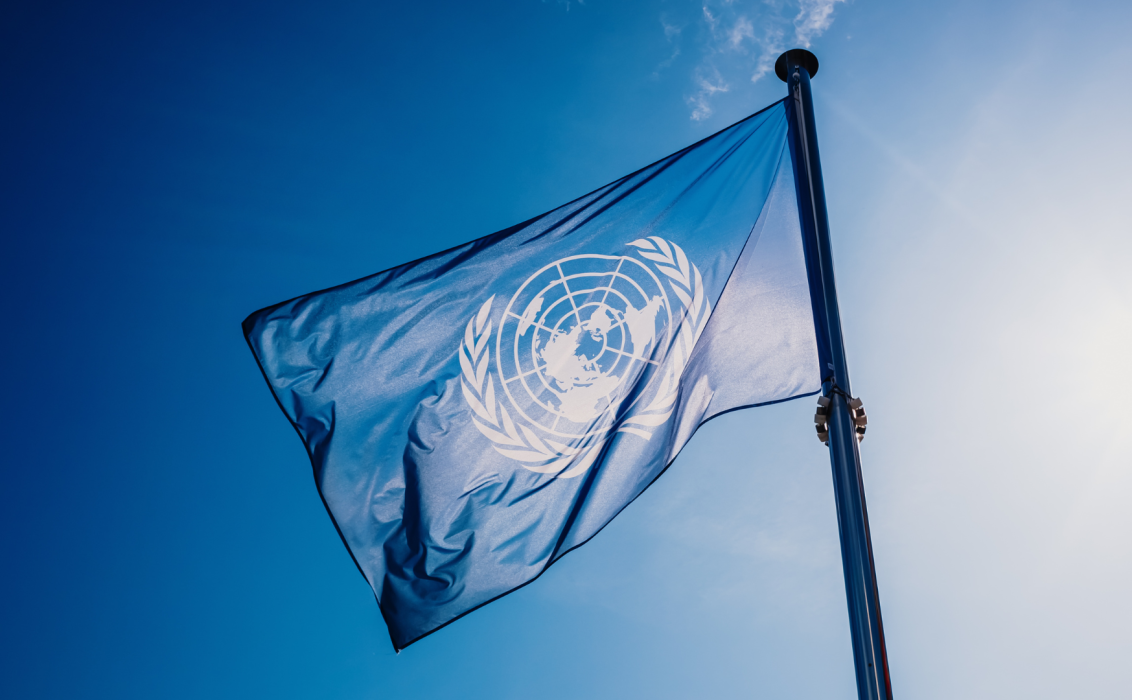
On December 15 2025, Member States (MS) adopted the Political Declaration of the fourth high-level meeting on the prevention and control of non-communicable diseases (NCDs) and the promotion of mental health and well-being at the United Nations General Assembly in New York. The adoption comes after months of negotiations between MS, taking place at a crucial time in global health, amid political instability, climate disasters, and insecure funding and resources for health.
NCDs account for 75% of all deaths worldwide, claiming the lives of 43 million people each year. Despite being the leading cause of death, morbidity and disability, progress towards global targets, notably Sustainable Development Goal 3.4, calling for a one-third reduction in premature mortality from NCDs by 2030, has stalled. IDF Europe welcomes the Political Declaration; however, we express our concern that it still falls short of what is needed to reverse the NCD crisis.
From the Zero Draft to now – where do we stand?
The final Declaration does include some welcome progress. MS agreed on three fast-track targets, including reducing tobacco use by 150 million people, ensuring 150 million more people have controlled hypertension and expanding access to mental healthcare for 150 million more people by 2030. The text also strengthens recognition of equity and the wider determinants of health and commits to integrating NCD and mental health services more firmly into primary care settings. These provisions represent an important foundation for MS to build on.
However, the final text also reflects significant compromises with major changes between the Zero Draft and the final Declaration. Unfortunately, many of these changes have weakened commitments and diluted ambition. Most notably, we regret to see the removal of the Global Diabetes Targets from the Declaration. Some other concerning changes from the Zero Draft to the current Declaration include:
- The removal of the target calling for at least 80% of countries having implemented or increased excise taxes on tobacco, alcohol and sugar sweetened beverages by 2030.
- The replacement of references to ‘WHO-recommended levels’, ‘guidance documents’ and ‘best buys’ with the vague qualifier ‘in line with national circumstances’.
- The dilution of language throughout, with strong, action-oriented commitments replaced by softer wording that calls on MS to consider, encourage or act where appropriate.
Comparing the Zero Draft to the final Declaration makes it clear that, despite the escalating burden of premature deaths and disability caused by NCDs, and the increasing strain on health systems, MS have not been willing to make the bold commitments required to turn the tide of NCDs. While some compromise on language is expected in global negotiations, the removal of specific targets and the weakening of language, especially when it is related to health-harming industries, such as tobacco and alcohol, is deeply concerning. Without strong political leadership and commitment to a Declaration with clear targets, the risk is that we remain locked in the status quo, with stalled or limited progress in reducing NCD mortality and morbidity.
Notably absent: the voices of civil society and people with lived experience
Equally alarming is what is missing from the Declaration. Both the Zero Draft and the final Declaration fail to include the meaningful engagement of people with lived experience of NCDs, including diabetes. The inclusion of civil society, and the broad label of ‘all relevant stakeholders’ was included once throughout the entire text. No commitments were made to ensure the structured and meaningful participation of people with lived experiences in the design, delivery or monitoring of NCD policies and/or programmes.
MS must recognise that the meaningful engagement of people with lived experience is crucial. It improves the effectiveness of policies and interventions and ultimately leads to better health outcomes. IDF Europe deeply regrets that people living with NCDs are being sidelined from the discussions and decisions that affect their lives.
Where do we go from here?
Even with its limitations, the Declaration provides a platform from which MS can accelerate action on NCDs. It highlights critical areas for opportunities to strengthen health systems and promote more equitable care. At the same time, much more needs to be done.
MS must fully deliver on the commitments outlined in the Declaration and consider how they can go further to strengthen the prevention, management and treatment of NCDs, including diabetes. This includes creating health-enabling environments and strategies that address the environmental, commercial and socio-economic determinants of health, while also ensuring equitable access to medicines, technologies, education, regular screening for complications and psychological support. Transforming health systems towards person-centred, integrated care models is equally important to address the interconnectedness of NCDs. Treating conditions in isolation fragments care, undermines prevention efforts, and weakens health outcomes.
Finally, meaningful engagement of people living with NCDs, including diabetes, must become a central part of policy and programme design, implementation and monitoring. The inclusion of people with lived experience in the Declarations commitments and acknowledgements yet their involvement is essential to creating effective, equitable and sustainable solutions. Only by combining strong political leadership, clear targets, and the voices of people with lived experience can we achieve the changes needed to reduce premature deaths, improve quality of life, and truly turn the tide on NCDs.