Innovating Advanced Cell Therapy for Diabetes
Duration: 2020-2025
Funded by: Horizon 2020
Type 1 diabetes (T1D) represents a huge personal and societal challenge. According to the IDF Atlas, 9th edition, 1.1 million children and adolescents (0-19 years of age) live with T1D in the world including 296,500 in Europe. The number of newly-diagnosed children and adolescents in Europe each year is estimated to be around 31,000. Type 1 diabetes is an auto-immune condition in which the body’s immune system attacks the insulin-producing beta cells of the pancreas, as a result of which the body produces little or no insulin. Type 1 diabetes most frequently develops in children and young adults and is one of the most common chronic diseases in childhood, although it can occur at any age. People living with T1D require daily insulin injections, without which they would die.
IDF Europe was part of the EU-funded project, “Advancing Innovative Stem Cell-based Therapy for Diabetes in Europe” (ISLET), a five-year, EU Horizon 2020-funded, project. Coordinated by the University of Copenhagen (UCPH), Denmark, the ISLET consortium also comprises seven other partners including in Belgium, the International Diabetes Federation Europe; in France, Institut National de la Santé et de la Recherche Médicale (INSERM); in Germany, Helmholtz Zentrum Muenchen Deutsches Forschungszentrum für Gesundheit und Umwelt Gmbh (HMGU), Klinikum Rechts der Isar Der technischen Universitat Munchen (TUM-MED) and Lipotype; and in the Netherlands, Academisch Ziekenhuis Leiden (LUMC).
The project aimed to build and implement a new and innovative programme for producing and marketing human pluripotent stem cell (hPSC)-derived advanced therapy medicinal products (ATMPs) for the treatment of people with T1D. The project aimed to develop:
- A regulatory approved manufacturing process for the production of hPSC-derived beta cells ready for use in phase 1 human trials (First-generation ATMP)
- A new method for scaling up the engineering of a hPSC-derived product with increased therapeutic capacity. This product will be more alike the golden standard – the human islet – and composed of purified alpha and beta cells (Second Generation ATMP)
- An innovative process for predicting the therapeutic capacity of ATMPs, benefiting the whole field looking to bringing hPSC-derived ATMPs to the clinic.
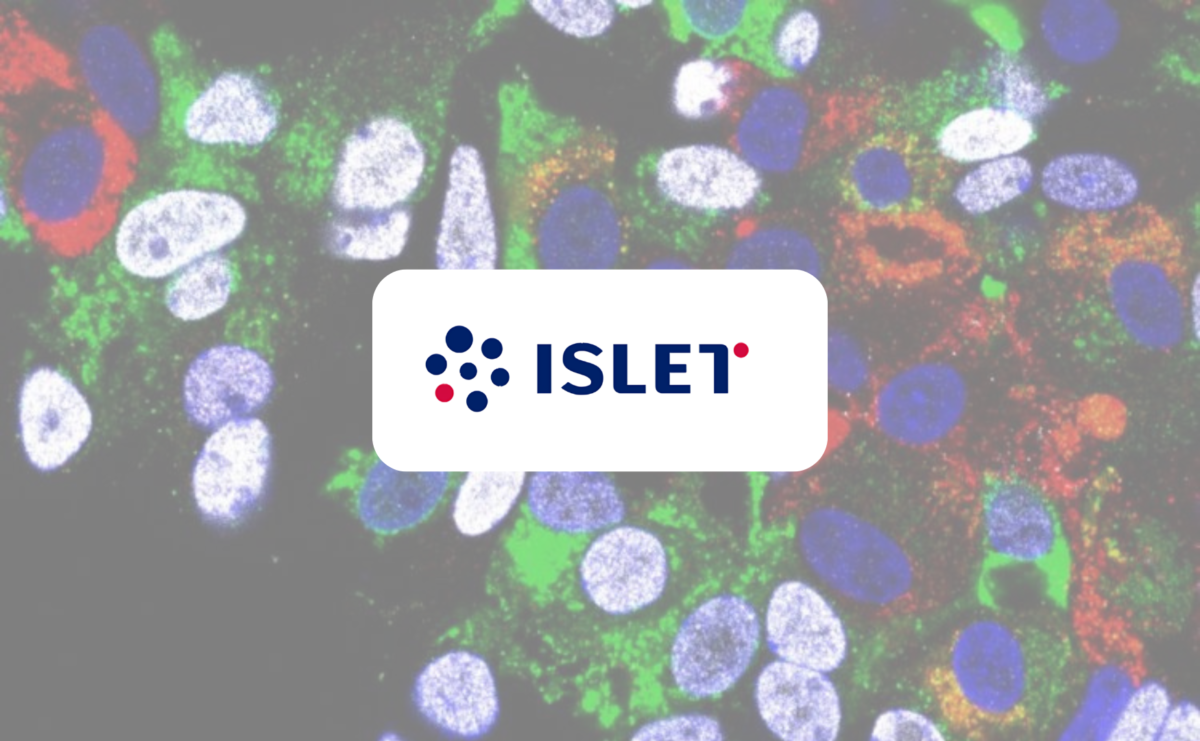
The European Commission’s CORDIS platform has featured the ISLET project in its latest “Results in Brief” article, showcasing how the EU-funded research project has developed a first-generation stem cell-derived beta cell product for the future treatment of people living with T1D.
Read moreISLET: What we did, what we learned and what comes next
This webinar, held on May 18, 2026, reflects on ISLET’s progress toward a stem cell therapy product for type 1 diabetes, highlighting key achievements, remaining scientific challenges and the road ahead. It brings together researchers, clinicians and the diabetes community to discuss what these advances could mean for the future of treatment.
IDF Europe YOURAH members and young researchers at the Helmholtz Diabetes Research Centre in Munich
In October 2024, members of the IDF Europe YOURAH Network had an incredible opportunity to visit the Helmholtz Diabetes Research Centre in Munich, Germany. Here they interviewed many scientists working on the ISLET project.
Check out this video series around their time at Helmholtz, where they explore the inspiring collaboration between people living with diabetes and researchers working toward breakthrough treatments.
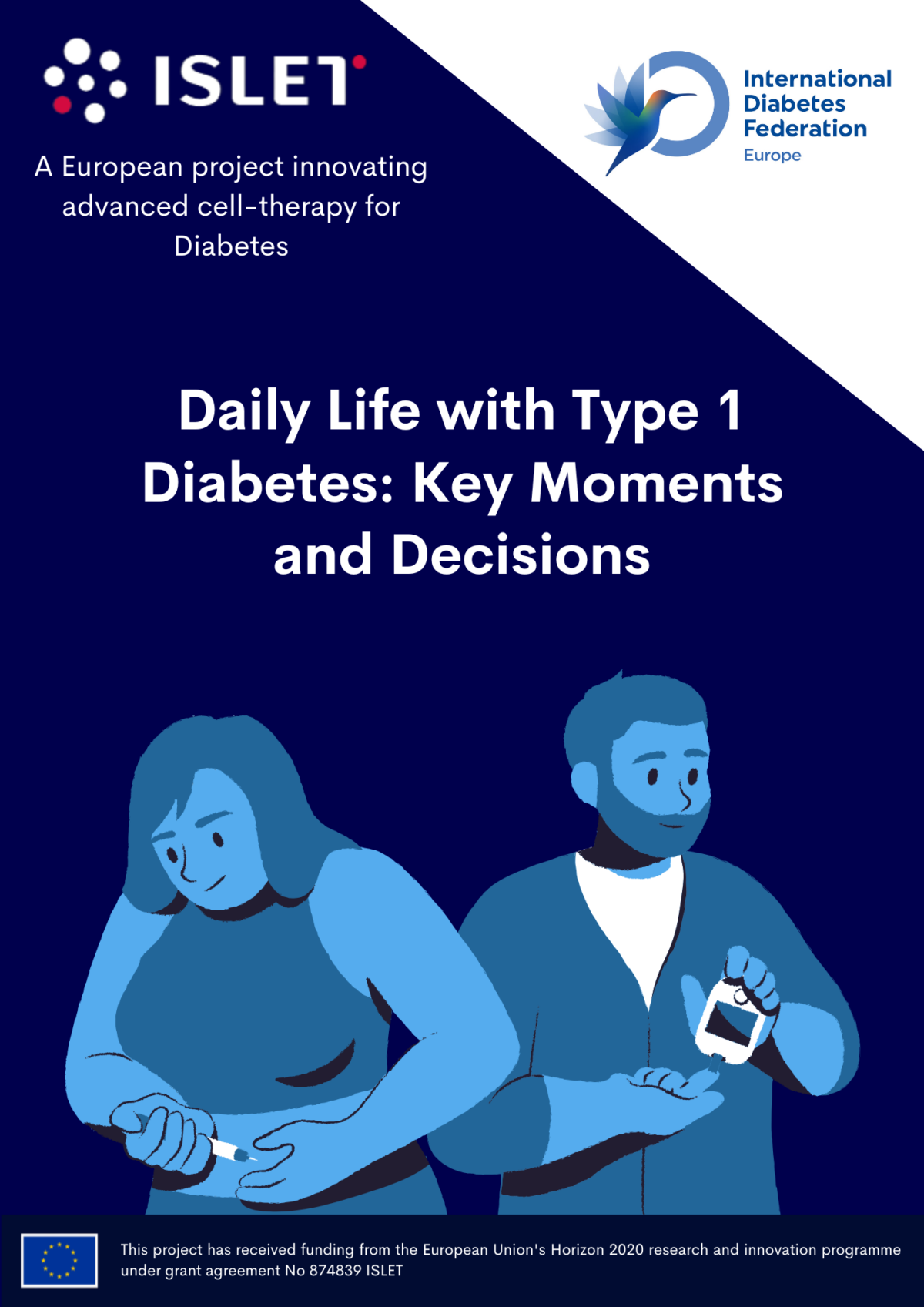
Blog: “Daily life with type 1 diabetes: key moments and decisions“
In this blog post, we provide an overview of what managing type 1 diabetes means day-to-day, from the perspective of those with lived experience.
Read the blog
Blog: “Connecting young people with T1D through science”
In this blog post, we list some of the questions that young PwD asked scientists, both looking at the potential of the ISLET project as well as the scientists’ own motivation when conducting research.
Read the blog
Conversation with Mina Brimpari on the ISLET project
In an interview highlighting the intersection of scientific research and lived experience, Mina Brimpari, Scientific Project Manager, shares insights into her role in the ISLET project.
Read moreWebinar: Imagining the next 100 years of diabetes
On January 22, 2021, IDF Europe hosted a webinar titled ‘Imagining the next 100 years of diabetes’ to discuss the future of diabetes care in Europe. The webinar featured presentations by Prof. Eelco de Koning, Professor of Diabetology at Leiden University and Director of the Netherlands’ clinical islet transplantation programme, and Prof. Henrik Semb, Director of the Institute of Translational Stem Cell Research at Helmholtz Munich and ISLET project coordinator, who reviewed current T1D research and future directions in diabetes care over the next 10 to 20 years.