In healthcare, expertise comes from professional training, scientific research, clinical experience and practice. But expertise is not limited to professional or clinical knowledge. People living with chronic conditions develop a unique form of expertise through their lived experience, gaining an understanding of what it means to navigate health systems, access care and treatments, manage their health over time, and live with the realities of a health condition beyond clinical settings. This lived experience offers valuable insights into what works, what does not, and what needs to change.
From lived experience to meaningful participation
As a leading voice for patient organisations across Europe, the European Patients’ Forum (EPF)has long championed meaningful involvement of people with lived experience in health policy, research and healthcare. Borislava Ananieva from EPF reflects on why lived experience should be recognised not simply as personal testimony, but as a form of expertise that can help shape better health systems:
“At EPF, we believe that lived experience is one of the most powerful forms of expertise in healthcare. Every person living with a chronic condition or lifelong disease brings unique insights into the realities of navigating health systems, accessing care, participating in treatment decisions and managing life beyond a diagnosis. When these experiences are brought together through patient organisations, they become a powerful evidence base that informs policy, research and healthcare innovation. Lived experience ensures that decisions are grounded in what truly matters to patients, helping to shape more equitable, person-centred health systems across Europe”.
From lived experience to advocacy: creating spaces for connection, learning and confidence
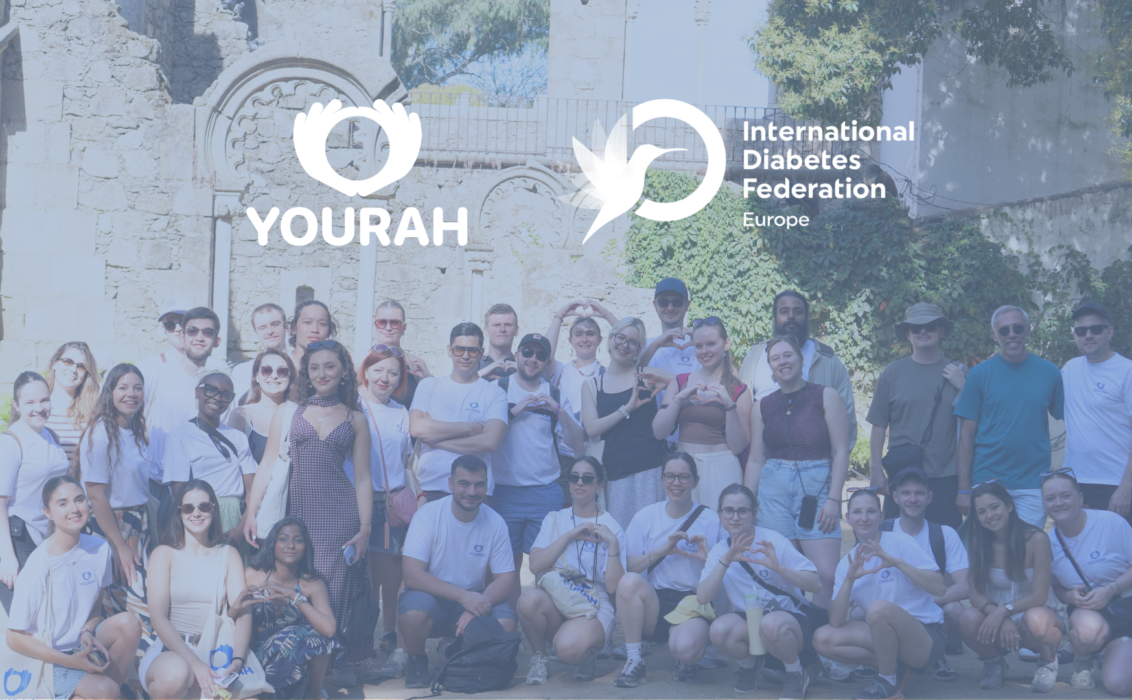
Initiatives such as the Youth Leadership Lab and T2GETHER Summits demonstrate the value of creating these spaces. The T2GETHER Summits bring together people living with type 2 diabetes (T2D) from across Europe, while the Youth Leadership Lab brings together young people living with type 1 diabetes (T1D). While they differ in their audiences and approaches, both initiatives create opportunities for participants to connect with peers, share experiences, learn from one another and develop the skills and confidence needed to engage in advocacy and leadership. By bringing people together around shared experiences and challenges, these initiatives help turn lived experience into knowledge, confidence and, ultimately, action.
Building the knowledge, skills and confidence needed to participate meaningfully takes time and requires continued opportunities to learn, connect and engage. That’s why people need communities where they can connect with their peers, continue learning, exchange experiences and develop their leadership as their knowledge and confidence grow.
Communities such as YOURAH and T2GETHER create pathways for continued involvement through ongoing training, information sharing, learning and engagement opportunities. The aim is not simply to create opportunities for participation, but to foster sustained engagement and leadership.
Sustained participation can also create something even more valuable: a cycle of peer support and shared learning. Sharing lived experience can strengthen advocacy, foster peer support and help others draw on the experiences and perspectives of those around them.
Supporting others: peer support, mentorship and sharing experience
Peer support and mentorship help ensure that knowledge and confidence are passed from one generation of advocates to the next. The YOURAH Mentorship Programme is one example of how people who have already developed experience as young leaders and advocates can support others as they build their own skills and confidence. T2GETHER also incorporates this principle by creating opportunities for people living with T2D with different levels of advocacy experience to learn from and support one another. This capacity-building approach not only helps advocates to grow but also enables them to share their knowledge, led by example and support others to become more involved within their national and local communities.
Collaboration between patient organisations can make this process even stronger. Different organisations bring different perspectives, knowledge and expertise, while sharing a commitment to ensuring that people with lived experience expertise have a meaningful role in decisions that affect their lives.
Stronger together: The role of collaboration
The collaboration between IDF Europe and EPF reflects this principle. For example, EPF participated in the T2GETHER Advocacy Training module on Introduction to Advocacy, sharing its expertise in patient advocacy and participation. Bringing together EPF’s broader expertise in advocacy and participation with IDF Europe’s experience in diabetes advocacy created an opportunity to share perspectives, strengthen learning and support participants in developing effective advocacy approaches.
Beyond strengthening individual advocates, collaboration between patient organisations can amplify lived experience and turn it into collective influence. Borislava reflects on how this works in practice at national and EU level:
“Through collaboration across diverse patient communities, individual experiences are transformed into a collective voice that is stronger, more representative and more influential than any one organisation could achieve alone. At EU level, this translates into ensuring that patients have a meaningful voice in key decision-making processes, with recent examples ranging from securing patient representation in the European Medicines Agency’s Committee for Medicinal Products for Human Use to advocating for the meaningful implementation of patient involvement in Health Technology Assessment (HTA).
By sharing knowledge, identifying common challenges, and advocating around shared priorities, patient organisations can drive meaningful change at both national and European levels. EPF’s recently published Barometer on the involvement of patient organisations in health policy at national level highlights examples of meaningful change driven by lived experience and patients’ needs, while also seeking to measure whether and how people with lived experience can participate in decisions that affect their communities, drawing on their unique expertise”.
From lived experience to meaningful change
Ultimately, lived experience is a valuable source of knowledge and perspective that can help shape more responsive and person-centred healthcare. Creating meaningful opportunities for people to share their experiences, connect with others and contribute to decision-making can help ensure that this expertise is recognised and valued.
As healthcare systems continue to evolve, creating meaningful opportunities for people living with chronic conditions to share their experiences and contribute to decision-making is essential. Recognising lived experience as a form of expertise is an important step towards more inclusive, equitable and person-centred healthcare.
| Elena Thompson IDF Social Media and Communication Intern |
Borislava Ananieva EPF’S Capacity Building Officer |