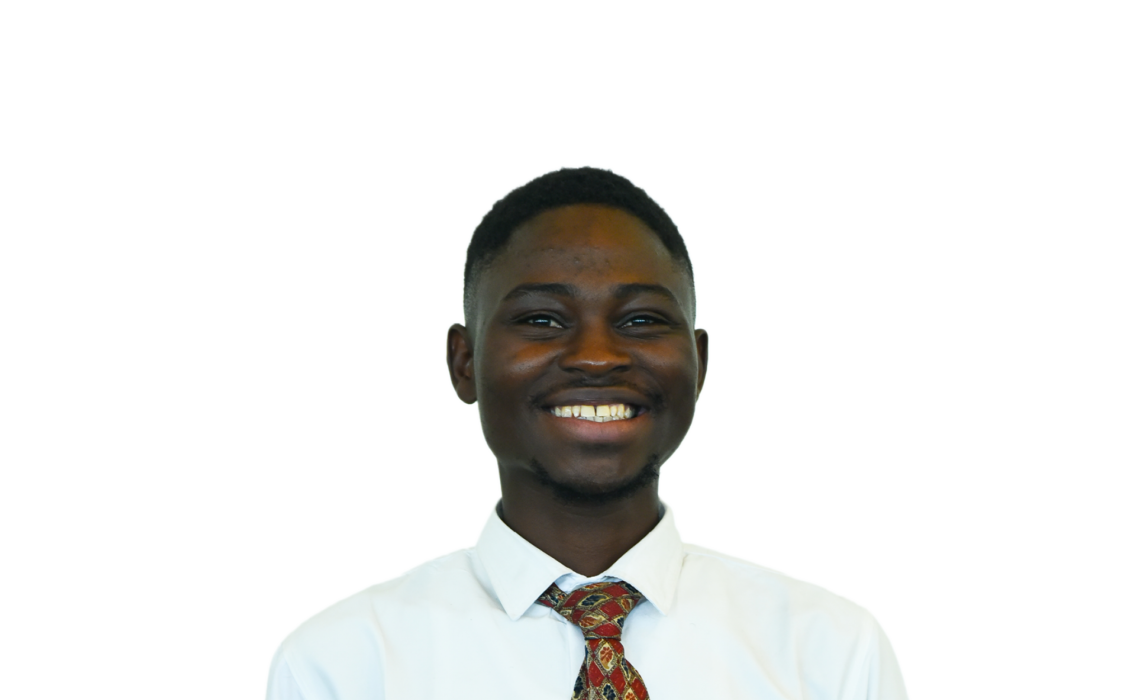
Hello! I’m Mark Odachi from Nigeria. I’m 25 years old and currently studying Medical Laboratory Sciences at the University of Nigeria, Nsukka. I was diagnosed with type 1 diabetes in 2014. The diagnosis came as a shock, especially since there was no family history of the condition—something we had believed was a typical cause at the time. In Nigeria, diabetes is often misunderstood as a condition that only affects older people, so I felt isolated, trying to adjust while facing widespread misconceptions and a lack of support.
Before my diagnosis, I dreamed of becoming a Catholic priest, but the seminary viewed my condition as a barrier and asked me to leave. It was a devastating loss—diabetes hadn’t just changed my life; it had forced me to abandon a future I deeply believed in. Determined to stop others from going through similar experiences, I founded the Diabetes Advocacy and Support Community (DASC), which works to raise awareness, fight misconceptions, and help young people with diabetes connect and share lived experiences.
In Nigeria, an estimated 3 million people are living with diabetes and this number is expected to double to more than 6.3 million by 2050. Currently, over 18,000 children and adolescents live with type 1 diabetes. Misunderstanding and limited access to care make daily management of their condition especially challenging.
As economic challenges in Nigeria make insulin and diabetes supplies increasingly unaffordable, my advocacy has only grown stronger. Through my volunteer work with T1International, I helped establish the Nigeria #insulin4all chapter—a national platform pushing for affordable insulin and essential care. This is more than a cause for me; it’s a mission I’m fully committed to. I look forward to a future where diabetes no longer limits potential.
“I was diagnosed with type 1 diabetes in 2014. The diagnosis came as a shock, especially since there was no family history of the condition—something we had believed was a typical cause at the time. In Nigeria, diabetes is often misunderstood as a condition that only affects older people, so I felt isolated, trying to adjust while facing widespread misconceptions and a lack of support.”