Prediabetes, or intermediate hyperglycaemia, means higher-than-normal blood glucose levels, but below the level for diabetes. Often symptomless, it signals a high risk of type 2 diabetes and cardiovascular disease. Early detection is a window of opportunity to delay or prevent progression with timely support.
What is prediabetes?
Prediabetes, or intermediate hyperglycaemia is an umbrella term that includes impaired glucose tolerance (IGT) and impaired fasting glucose (IFG). These refer to raised fasting glucose or raised glucose levels that are above the healthy range but below the threshold for diagnosing diabetes.
Who is at risk of prediabetes?
A combination of genetic, biological, lifestyle and environmental factors increase the likelihood of developing prediabetes. These are similar to those associated with type 2 diabetes and include:
- Family history of type 2 diabetes.
- Overweight or obesity
- Unhealthy diet
- Physical inactivity
- Stress and poor sleep quality
- Increasing age
- Ethnicity (certain groups such as Asian, Black and Hispanic adults are at higher risk)
- History of diabetes in pregnancy (gestational diabetes)
- History of metabolic conditions such as high blood pressure or high cholesterol
Screening and diagnosis
Where resources allow, community screening programmes can help identify people at risk of prediabetes early, especially in settings with high diabetes prevalence. Once identified, people should benefit from structured education that explains results in clear terms and sets the next steps.
Why is prediabetes a global concern?
Prediabetes is an early warning sign of type 2 diabetes and affects hundreds of millions of adults worldwide. According to the latest International Diabetes Federation estimates, 635 million adults (20-79 years) are living with IGT and 488 million with IFG.
People with prediabetes also face a greater risk of heart attack and stroke than people with normal glucose levels. The level of risk depends on personal factors such as age and body mass index, which is why early detection matters. Targeted lifestyle support, combined with medication when needed, can slow or reverse the condition.
How to test for prediabetes
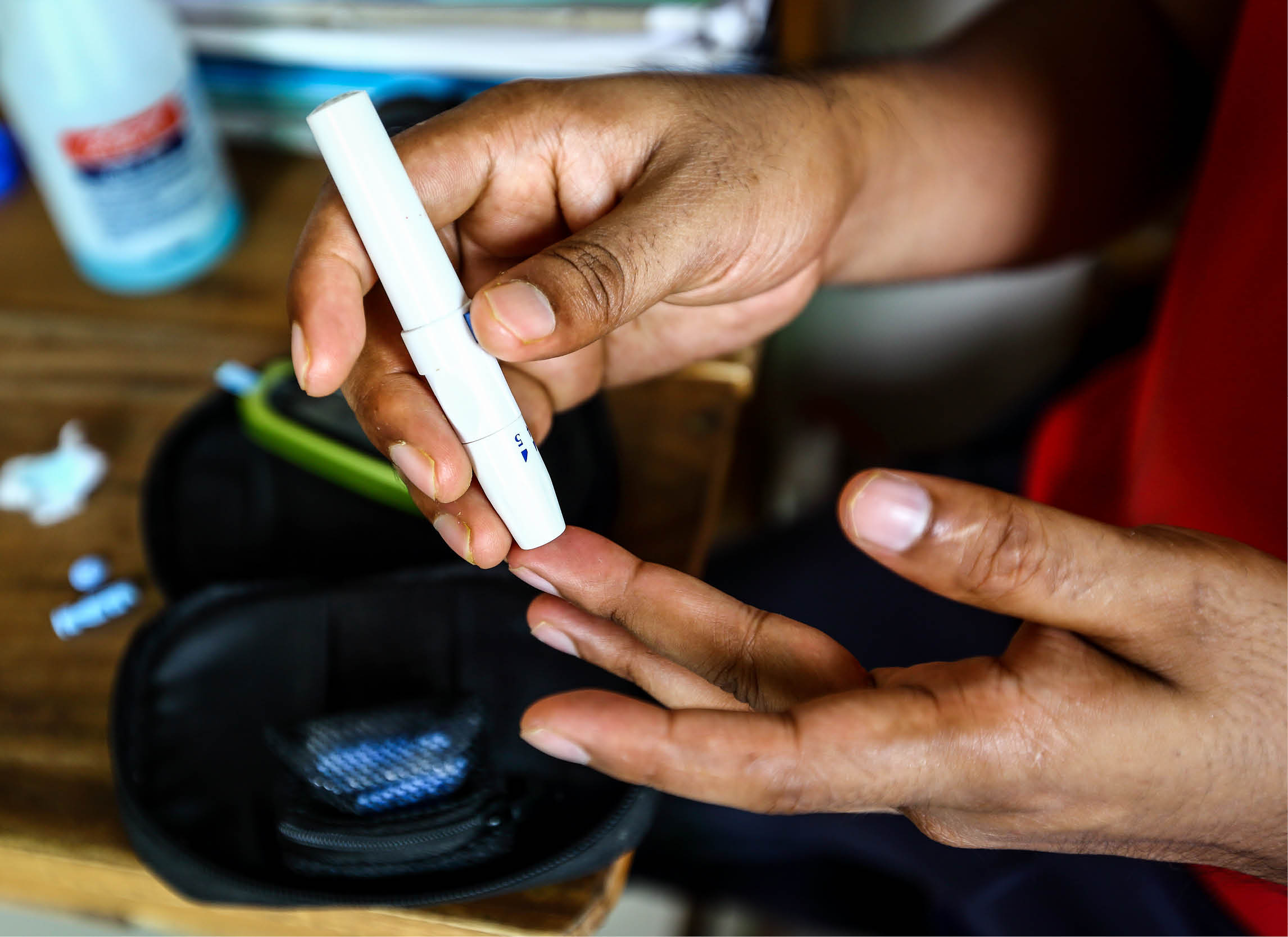
Prediabetes can be diagnosed using blood tests that show glucose levels above the normal range but below the diagnostic threshold for diabetes. There are three main tests for prediabetes:
- Fasting plasma glucose: Measures blood glucose after an overnight fast.
- Oral glucose tolerance test: Measures how the body handles glucose after a glucose drink.
- HbA1c: Estimates average blood glucose over the previous 2–3 months.
When to test for prediabetes
Testing for prediabetes is usually recommended for people who have one or more of the risk factors indicated above. As symptoms of type 2 diabetes can be mild or absent, it is important to identify higher-risk individuals early, so that progression to type 2 diabetes can be delayed or prevented.
Reducing the risk of prediabetes
Healthy nutrition and increased physical activity to help maintain a healthy weight, along with regular health checks can help reduce the risk of prediabetes.
Support should focus on realistic changes that fit daily life. These include increasing physical activity, adopting a balanced diet rich in whole foods and fibre and addressing sleep and stress. Primary care teams can provide advice, refer people to lifestyle programmes, and consider prescribing medication where the risk is high and lifestyle measures are insufficient.
Physical activity
Physical activity is any movement the body makes that burns energy, including during leisure time, transport to and from places, or as part of work or domestic activities. Regular physical activity helps the body’s cells to become more responsive to insulin, which helps to keep blood glucose levels within the recommended range.
Learn more about the benefits of physical activity
Healthy nutrition
A balanced diet, that includes choosing nutrient-rich foods and controlling portion sizes, supports weight management, improves heart health and helps to keep blood glucose levels within the recommended range.
Learn more about healthy nutrition
Weight management
In people who are overweight, modest and sustainable weight loss – such as losing 5% to 7% of body weight – can help keep blood glucose levels within the normal range and reduce the risk of prediabetes and type 2 diabetes. Effective weight management should focus on achievable, long-term changes, including balanced nutrition, regular physical activity and continued support.
The role of healthcare systems
Healthcare systems can integrate prediabetes into routine cardiovascular risk assessment, strengthen primary care pathways for testing and follow-up, and invest in prevention programmes that are accessible and culturally appropriate. Monitoring should track both measures to manage blood glucose levels and broader well-being to sustain engagement. Taking these steps now will reduce future demand for complex diabetes care and improve quality of life for millions.