Advancing the future of diabetes care through European research
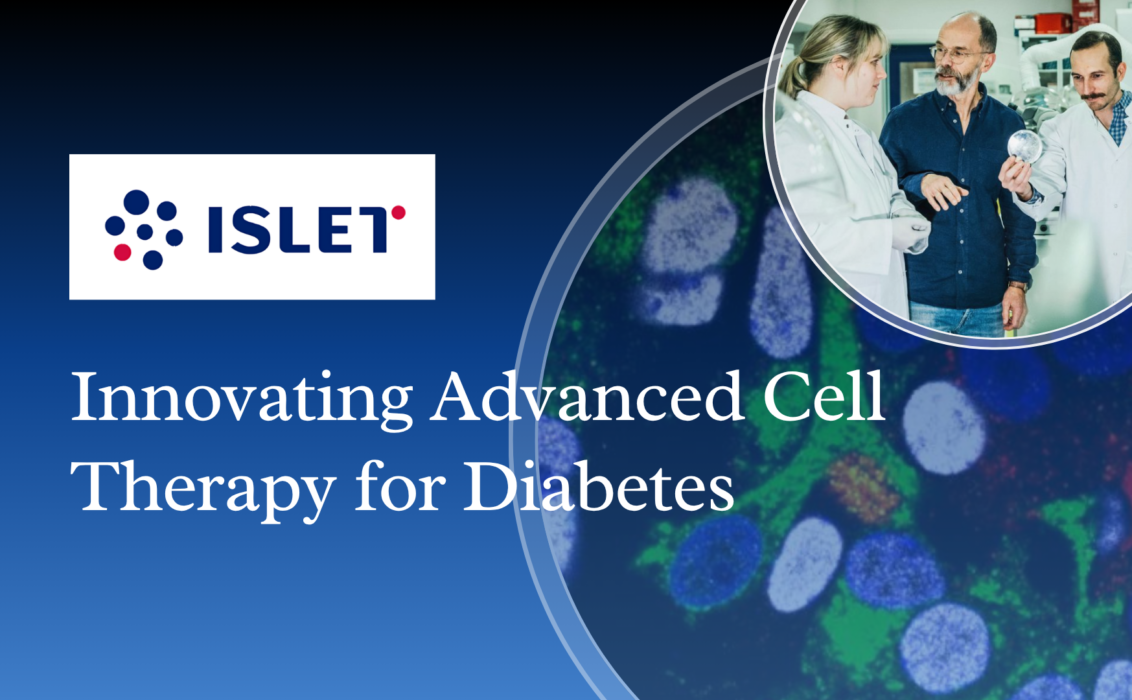
The European Commission’s CORDIS platform has featured the “Advancing Innovative Stem Cell-based Therapy for Diabetes in Europe” (ISLET) project in its latest “Results in Brief” article, showcasing how the EU-funded research project has developed a first-generation stem cell-derived beta cell product for the future treatment of people living with type 1 diabetes (T1D).
ISLET brought together leading research institutions, clinical experts and people with lived experience from across Europe to address one of the key challenges in T1D: the loss of insulin-producing beta cells.
In people living with T1D, the immune system mistakenly attacks the insulin-producing beta cells in the pancreas, leaving the body unable to produce the insulin it needs to regulate blood glucose levels. As a result, people living with T1D require lifelong insulin therapy and must juggle food, physical activity and insulin intake 24/7 to avoid acute, life-threatening and chronic complications. The ISLET project aimed to advance the development of innovative stem cell-based therapies that could restore insulin-producing cell function and open new possibilities for future treatment approaches.
Developing innovative stem cell-based therapies for T1D
Throughout the project, researchers worked on engineering stem cell-derived insulin-producing cells and developing approaches to ensure their safety and functionality, with the aim of bringing these therapies closer to future clinical application.
By combining scientific research, clinical expertise and lived experience perspectives, ISLET aimed to help bridge the gap between laboratory discoveries and potential future applications for people living with diabetes (PwD). The project’s work contributes to a growing field of research exploring how regenerative medicine could support new approaches to diabetes treatment in the future.
Ensuring the voice of PwD is included
As a partner in the project, IDF Europe helped ensure that the voices of people living with diabetes were integrated throughout the research process, keeping their experiences, needs and priorities at the centre of the project.
Meaningful involvement of PwD is essential to ensuring that future innovations both respond to real-life challenges and support more person-centred approaches to care. Through its role in ISLET, IDF Europe helped strengthen the connection between scientific research and the lived experiences of the diabetes community.
Bringing European innovation closer to PwD
IDF Europe is committed to supporting research and innovation that contribute to improving the lives of PwD and ensuring that their voices are included in the development of future solutions.