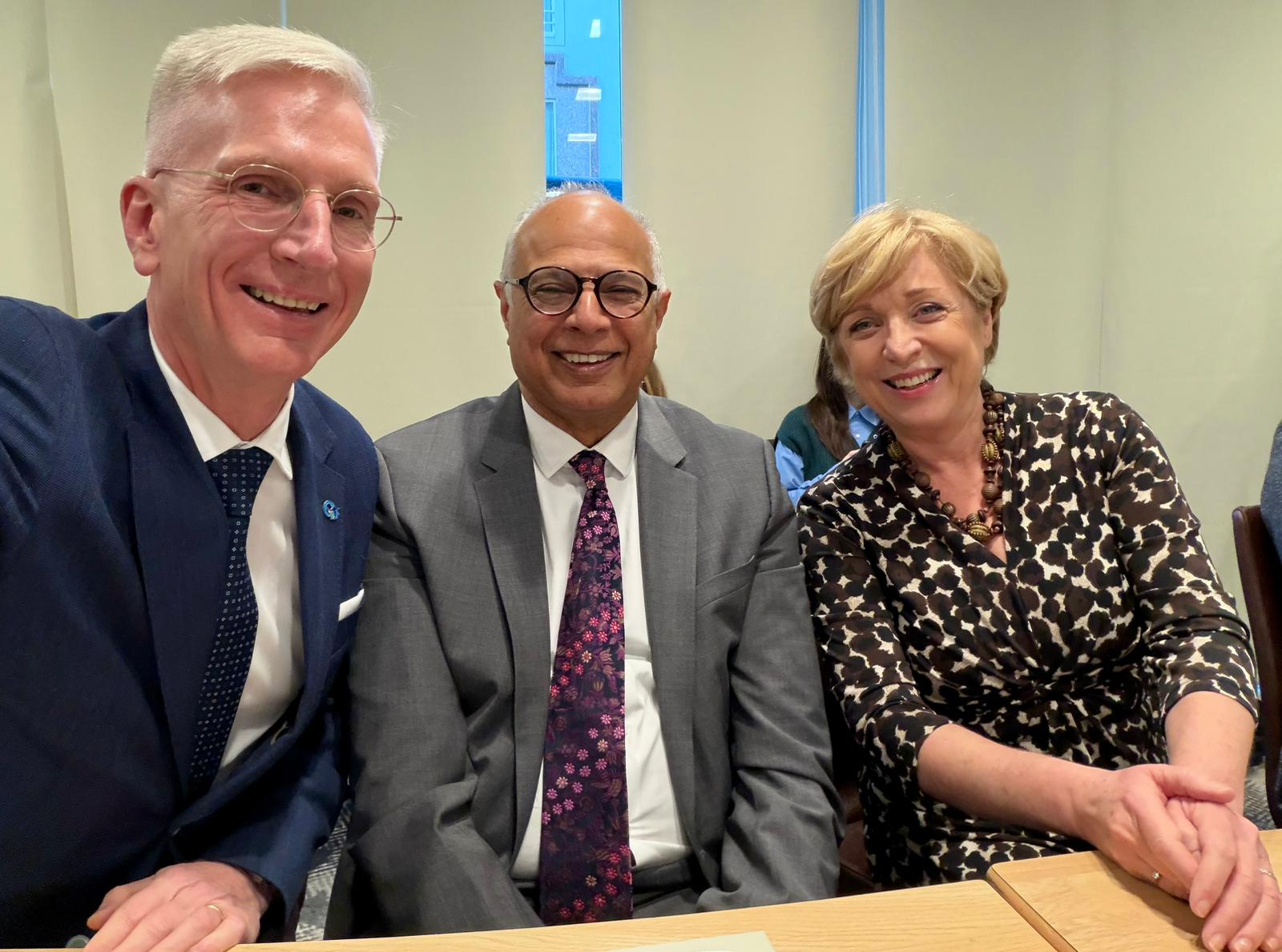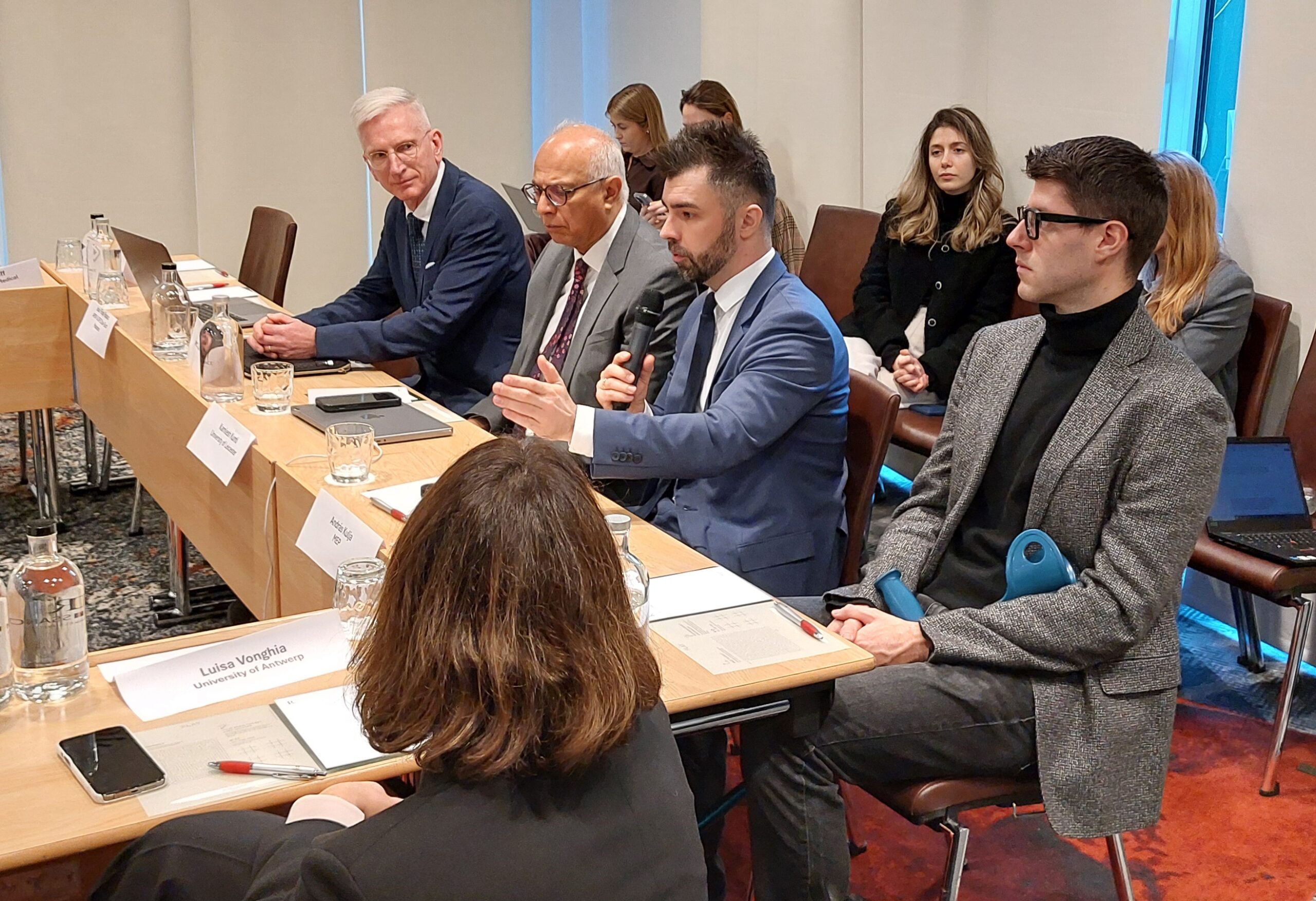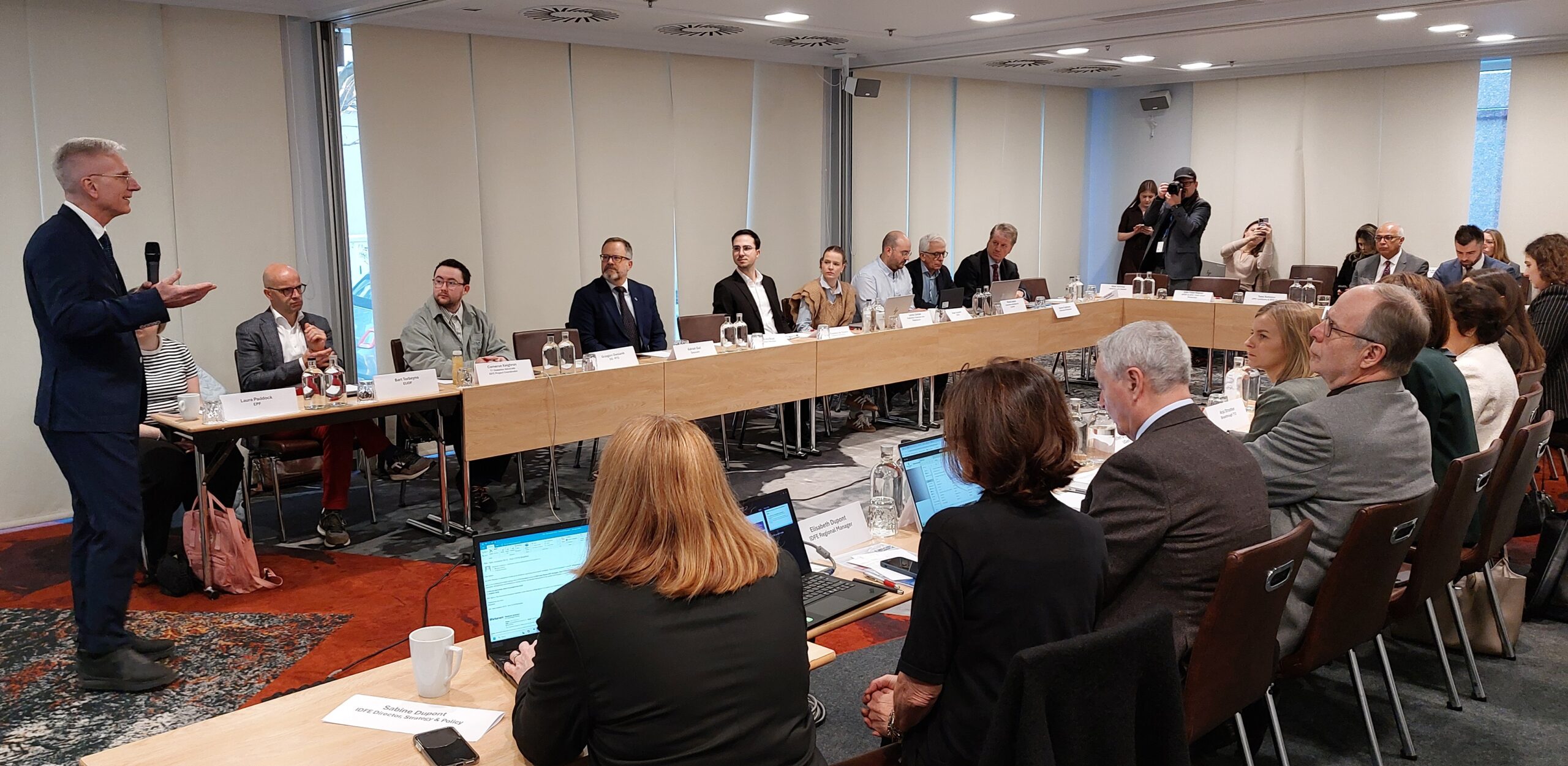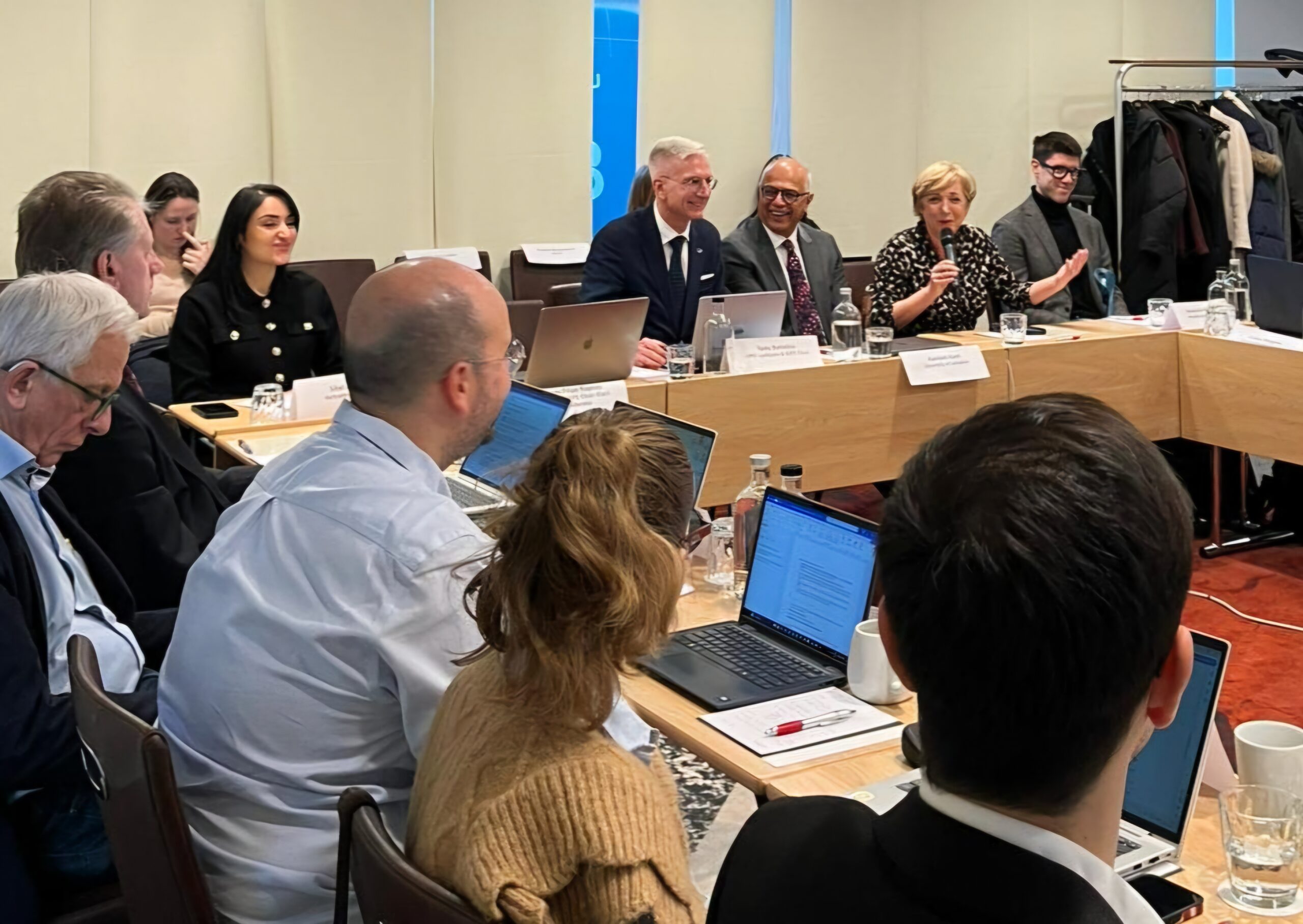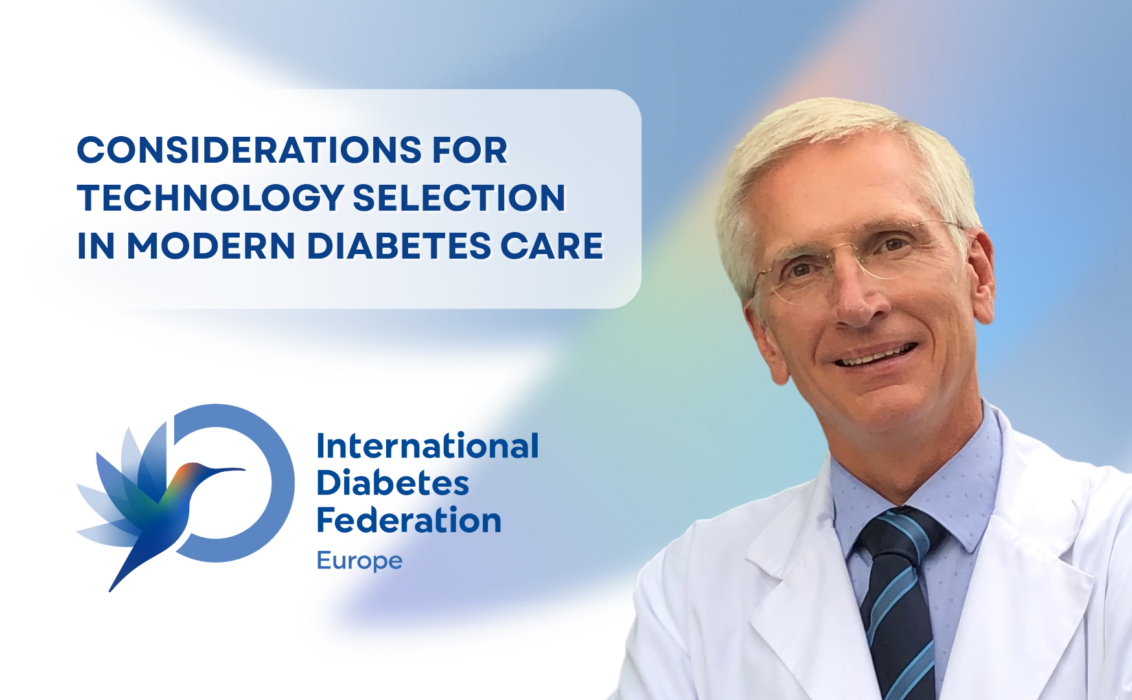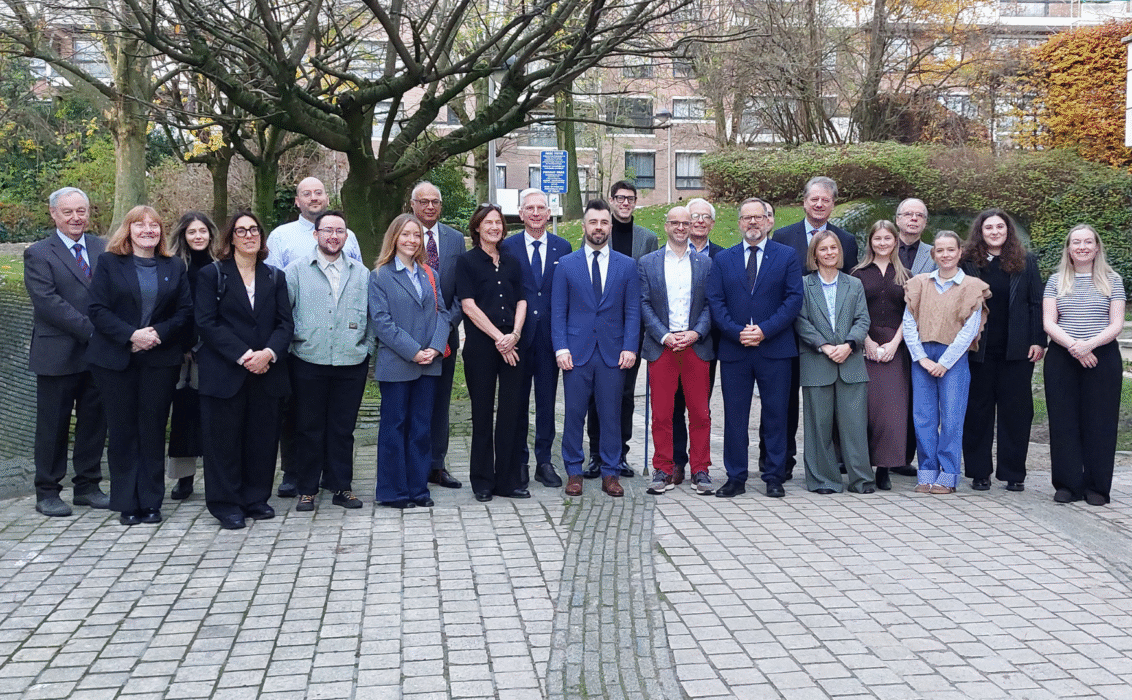
On December 4, we had the pleasure of welcoming a diverse group of diabetes stakeholders at our Expert Day in Brussels: “From detection to cure – transforming lives for people living with diabetes”. Moderated by IDF Europe Chair-Elect, Prof. João Raposo, the event gathered people living with type 1 (T1D) and type 2 diabetes (T2D), healthcare professionals (HCPs), scientists, researchers, policymakers, national patient organisations, representatives from international publich health organisations, and other experts in diabetes, cardiovascular, kidney and liver diseases. Throughout the day, participants explored how recent innovations and scientific breakthroughs are reshaping the prevention, detection and management of diabetes and its complications.
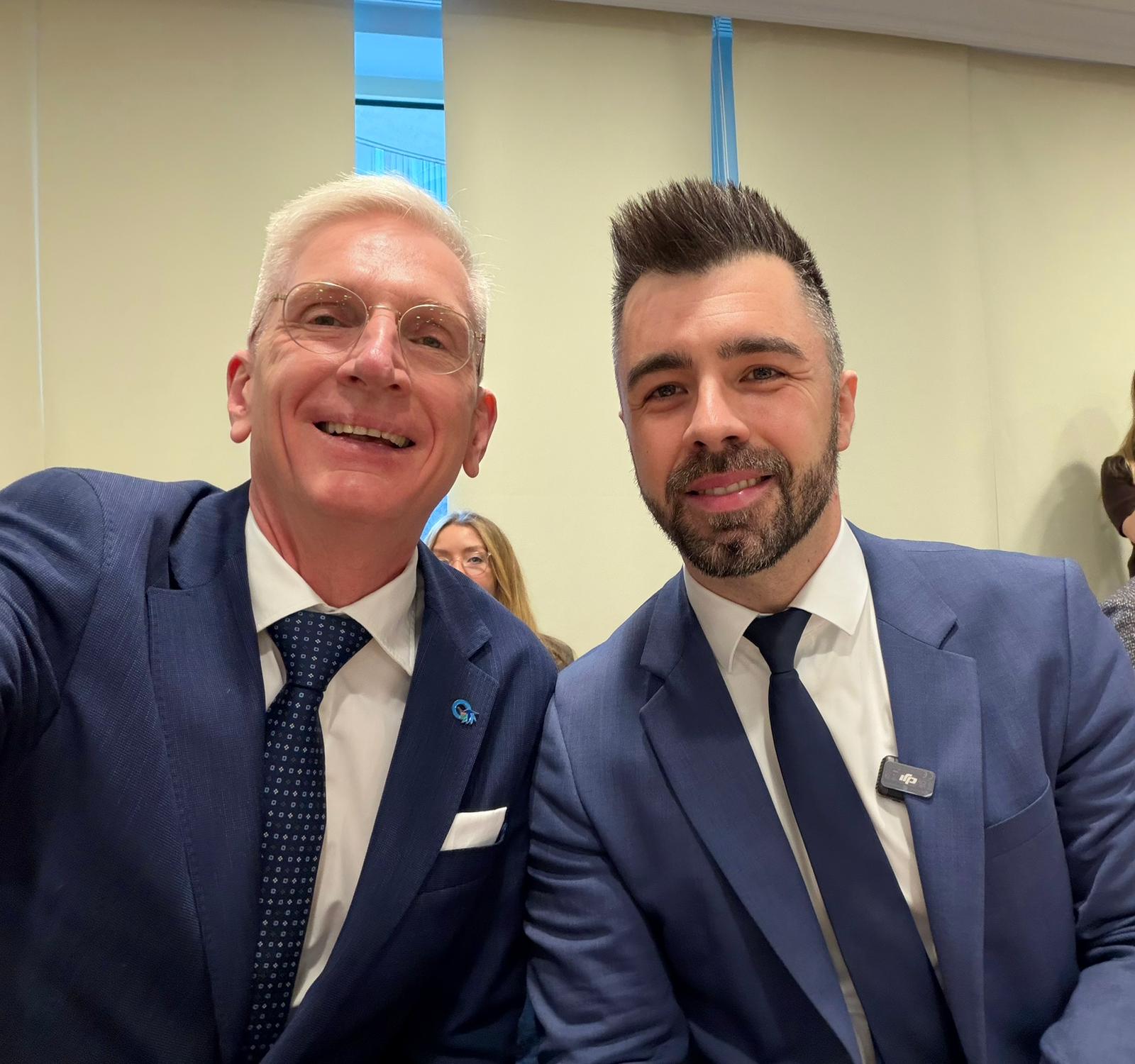
MEP András Kulja, co-chair of the MEP Interest Group on Diabetes – MEPs Mobilising for Diabetes (MMD), opened the event by stressing the need to improve diabetes prevention, early detection and care to reduce the risk of complications. He emphasised the importance of including the voice of those living with the condition in decision-making to ensure sustainable, effective health policies, and highlighted the upcoming European Commission Cardiovascular Health Plan as a key opportunity to ensure cardiovascular diseases (CVD) and diabetes are tackled together through an integrated, person-centred approach.
We were also pleased to be joined by MEP Romana Tomc, who shared a message reaffirming her commitment to advancing polities that support the health and well-being of people living with diabetes (PwD) and those at risk.
Changing mindsets: preventing T2D or driving it into remission.
Session one featured presentations by Prof. Kamlesh Khunti, Primary Care Diabetes and Vascular Medicine, University of Leicester, and IDF Europe Chair, Prof. Tadej Battelino, IDF Europe Chair and Head of the Department of Pediatric and Adolescent Endocrinology, University Medical Center, Ljubljana.
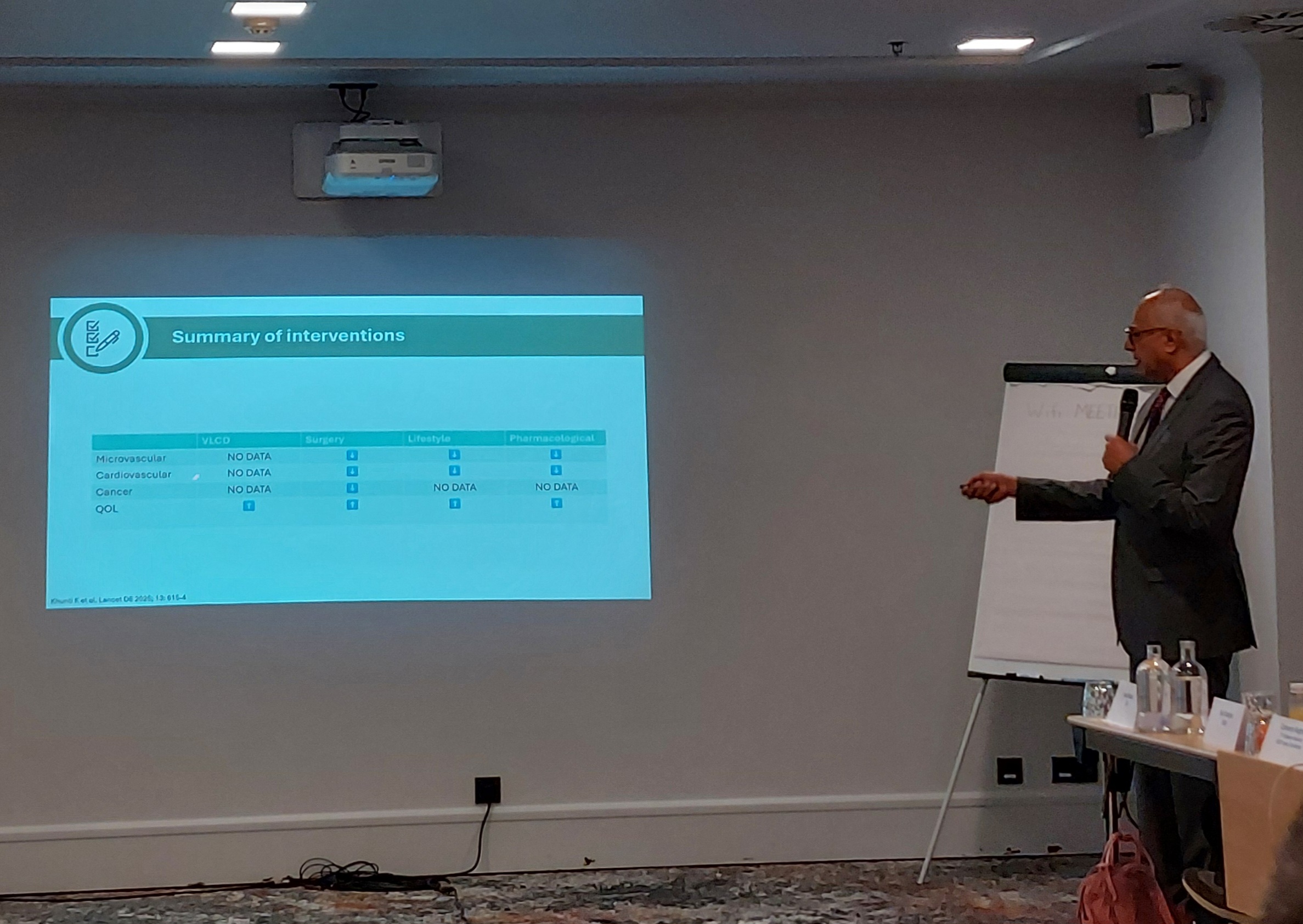
Prof. Khunti shared key insights on T2D remission and its definition, outlining current approaches, from lifestyle to therapeutic and surgical interventions, and highlighting the main challenges to achieving and maintaining T2D remission.
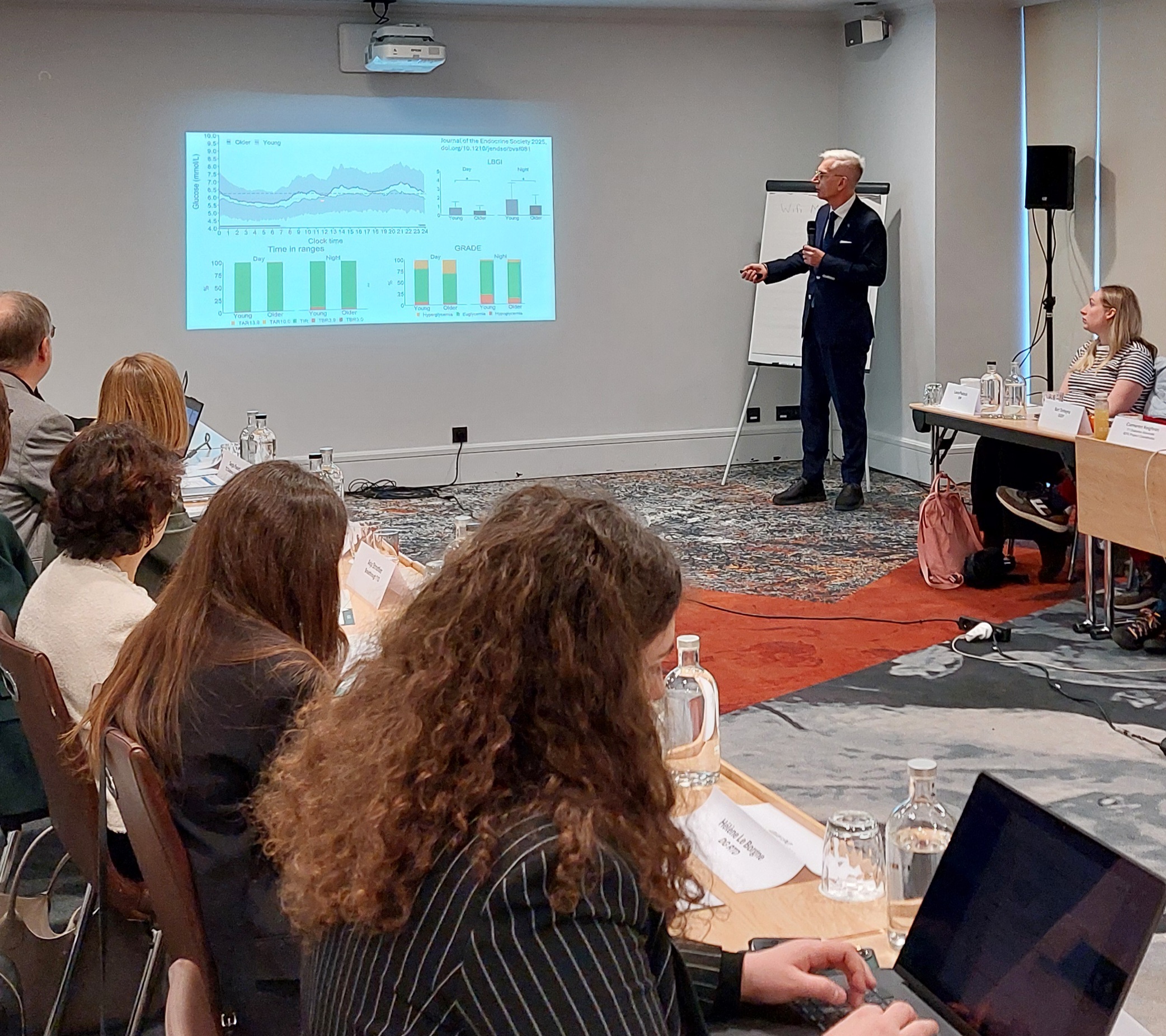
Prof. Battelino discussed the role of continuous glucose monitoring (CGM) in supporting the early detection and prevention of T2D. He explained how CGMs can serve as an educational tool and provide essential data to help people living with, or at risk of, T2D – as well as their HCPs – visualise glucose patterns and act early on dysglycaemia.
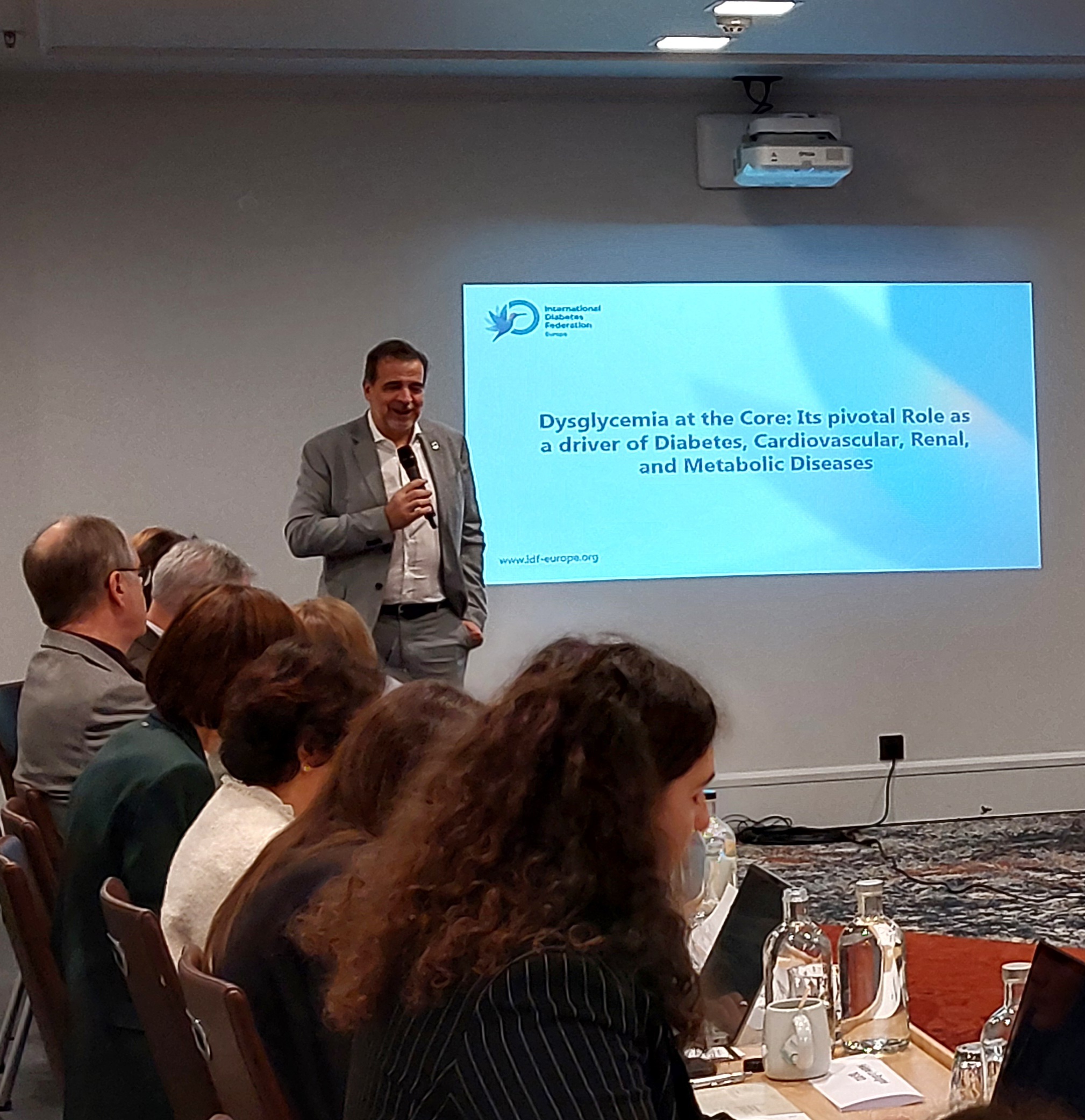
Dysglycaemia as a driver of diabetes, CVD and chronic kidney disease: science, guidelines and future directions
Session two focused on presentations on the link between diabetes and other chronic conditions.
Prof. Battelino presented evidence on the importance of achieving normoglycaemia early – even before the onset of T2D – to reduce the risk of developing life-altering complications such as CVD.
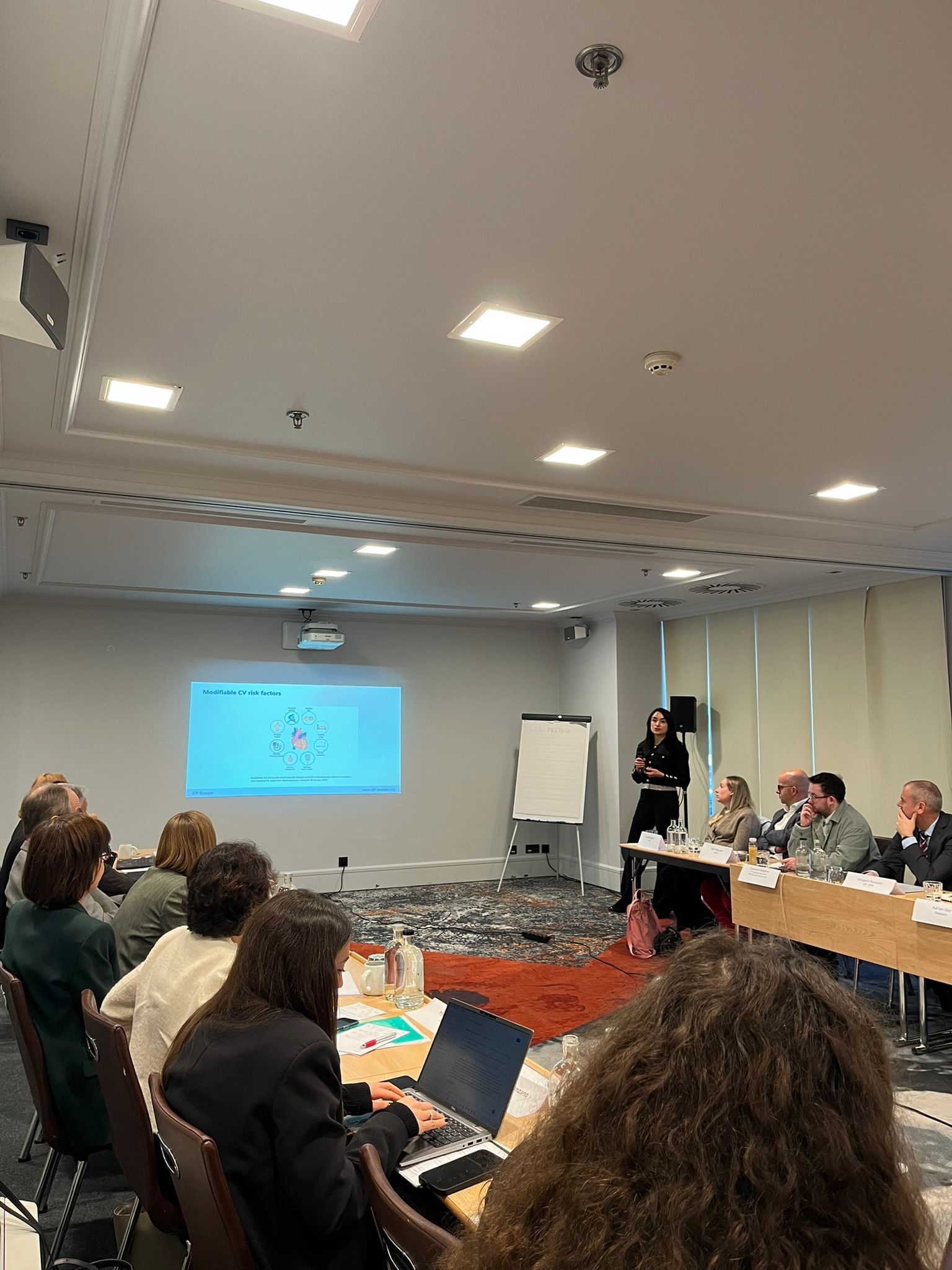
Dr. Sibel Altintas, cardiologist from the Hartcentrum Hasselt, outlined the significant burden of CVD among PwD and explained the mechanisms linking early dysglycaemia to increased CVD risk. She stressed the need for a paradigm shift towards earlier identification of at-risk individuals, personalised treatments and stronger multidisciplinary collaboration between specialists.
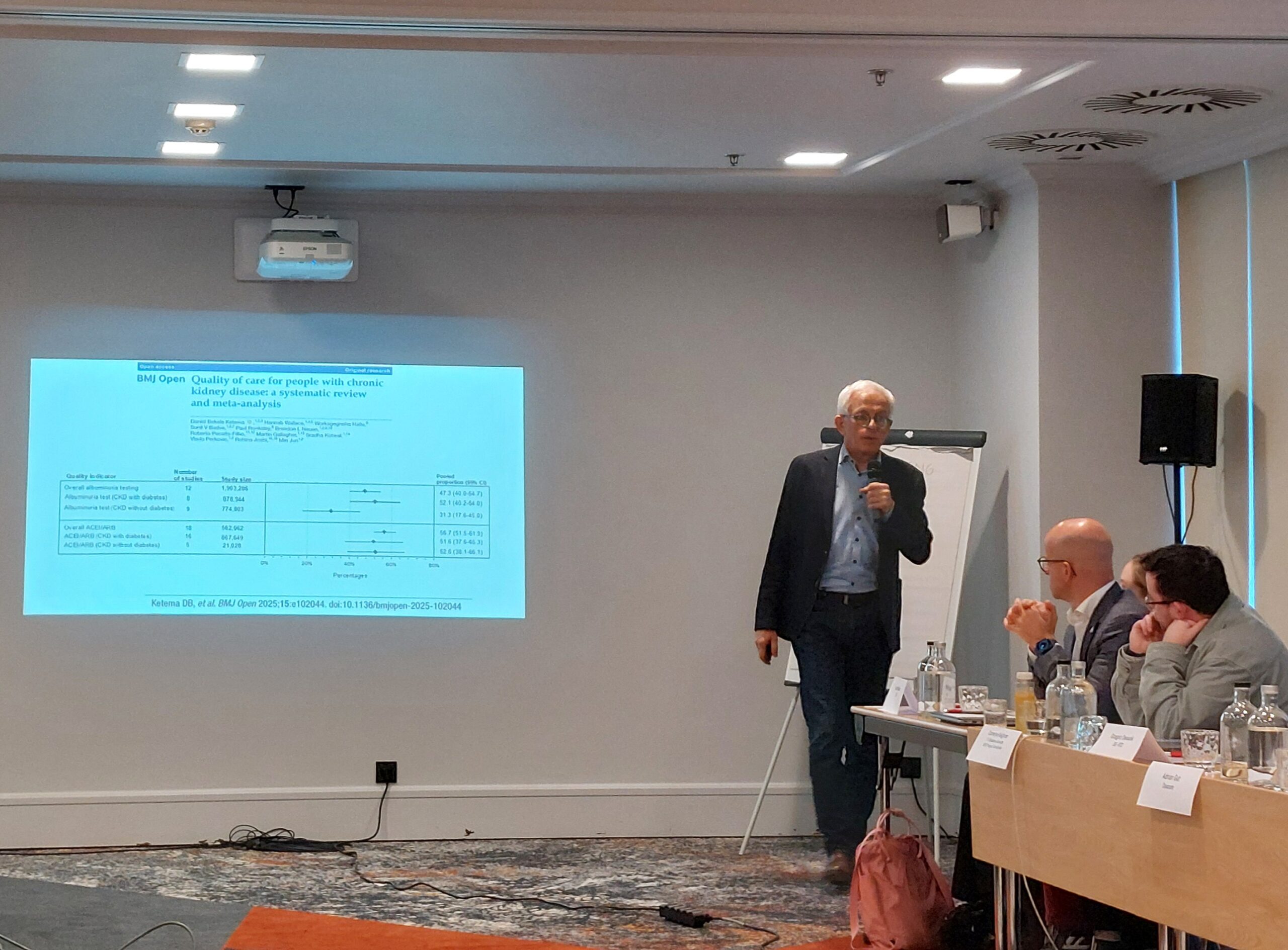
Prof. Michel Jadoul, Head of the Cliniques Universitaires Saint-Luc’s Nephrology Department, and European Kidney Health Alliance (EKHA) Vice-President, discussed the connection between chronic kidney disease (CKD) and diabetes, presenting current innovations that help preserve kidney function in PwD, including those living with T1D. He underlined the importance of early screening and diagnosis to delay or prevent the need for dialysis.
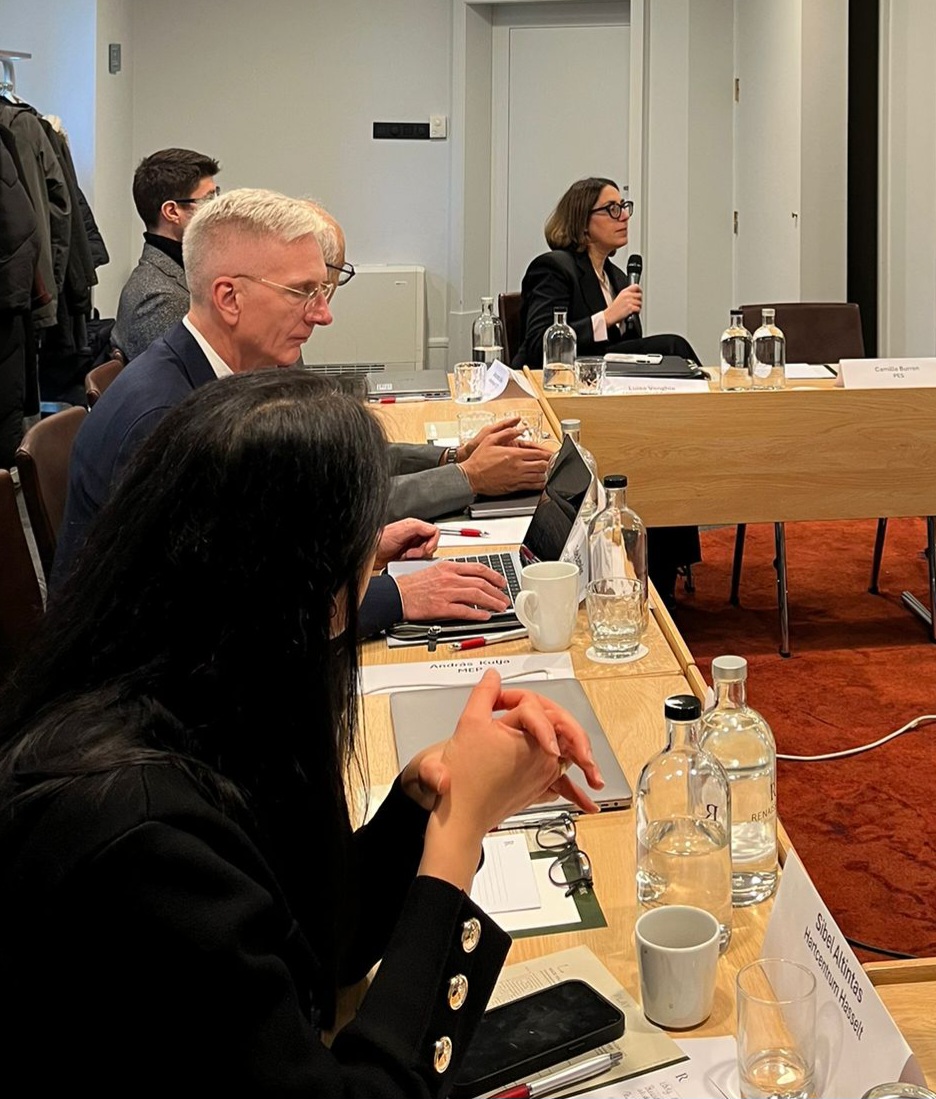
Dr. Luisa Vonghia, from the department of Gastroenterology and Hepatology at the University of Antwerp, explored the mechanisms linking diabetes and liver disease and emphasised the heightened cardiovascular risk when MASLD (Metabolic Dysfunction-Associated Steatotic Liver Disease) occurs alongside diabetes. She highlighted the need to leverage available screening tools to detect at-risk individuals earlier, and the potential of therapies developed for other indications to also support liver health.
Managing the future: towards a cure?
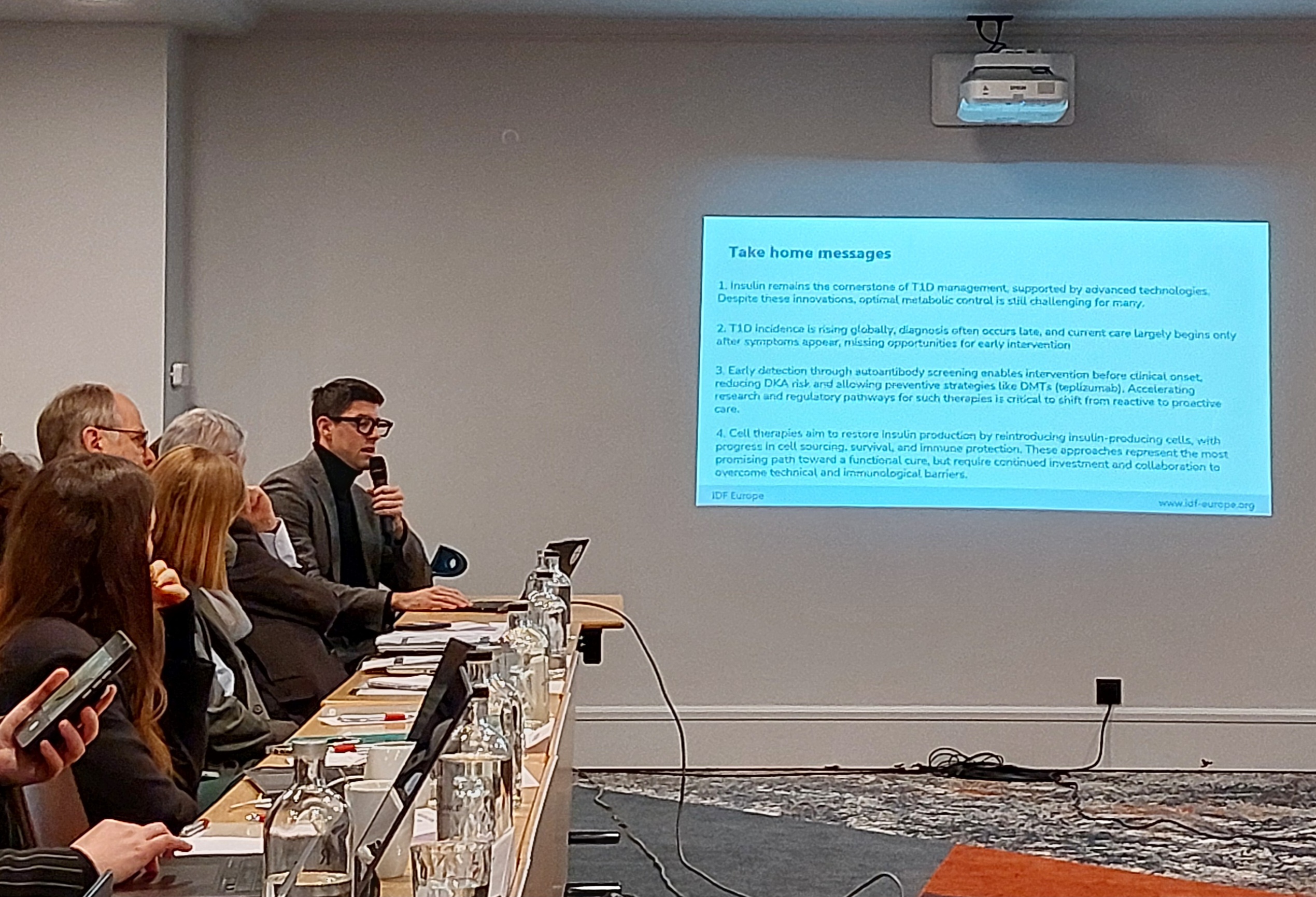
Session three focused on emerging therapies and future directions for T1D.
Dr. Alessandro Bisio, Medical Director at BreakthroughT1D, provided an overview of progress in T1D treatment and self-management technologies. He emphasised that, despite major advances, managing diabetes remains challenging for many people living with the condition.
Dr. Michiel Nijhoff, Internist-Endocrinologist at Leiden University Medical Centre, outlined current developments in cell and gene therapies aimed at treating – and eventually curing – diabetes. He discussed approaches ranging from cell replacement therapies to gene editing and cell regeneration, while also addressing challenges related to manufacturing, scalability, regulation, availability and data sharing.
Key insights and reflections
Across all three sessions, participants engaged in thoughtful discussion on how to halt the rise of diabetes, reduce the number of undiagnosed cases and improve health outcomes for those already living with the condition. Central to these discussions was the question: How can we better translate existing knowledge and innovation into real-world impact?
Key insights emerging from the day included:
A stronger focus on prevention and early action
Participants highlighted the opportunity presented by the upcoming Cardiovascular Health Plan to foster more integrated strategies addressing both diabetes and CVD. Other regulatory improvements, such as the revision of the Medical Devices Regulation (MDR) to improve CGM safety or the implementation policies that encourage healthier environments (e.g., sugar taxes), were also discussed.
Addressing workforce shortages and redesigning health systems
Upskilling specialist diabetes nurses, diabetes educators and pharmacists, improving coordination across primary, secondary and tertiary care, and using AI to support screening and clinical decision-making were identified as critical strategies.
Ensuring equitable access to the full spectrum of solutions
From lifestyle interventions to medical therapies and technologies, participants underscored the need for PwD to access the options that best fit their needs and preferences. Additionally, sustaining engagement over time and ensuring regular follow-ups to maintain optimal health outcomes through time were recognised as essential.
Embedding lived experience at every stage of innovation
Meaningfully involving PwD in research, development and decision-making ensures that new solutions truly respond to their needs.
Strengthening communication between PwD and HCPs
Clear, balanced communication about risks and complications, especially for young PwD, was highlighted as essential. Broader public awareness of diabetes and related conditions is also necessary to support screening and early detection.
Improving communication on T1D research and progress toward a cure
Discussions stressed the need for transparent, accessible communication with the wider T1D community about ongoing scientific advancements, ensuring that expectations are realistic and aligned with people’s needs.
Promoting collaboration across Europe
Participants noted the importance of avoiding duplication across research centres, sharing best practices, and building complementary research efforts to accelerate progress on diabetes.
Conclusions
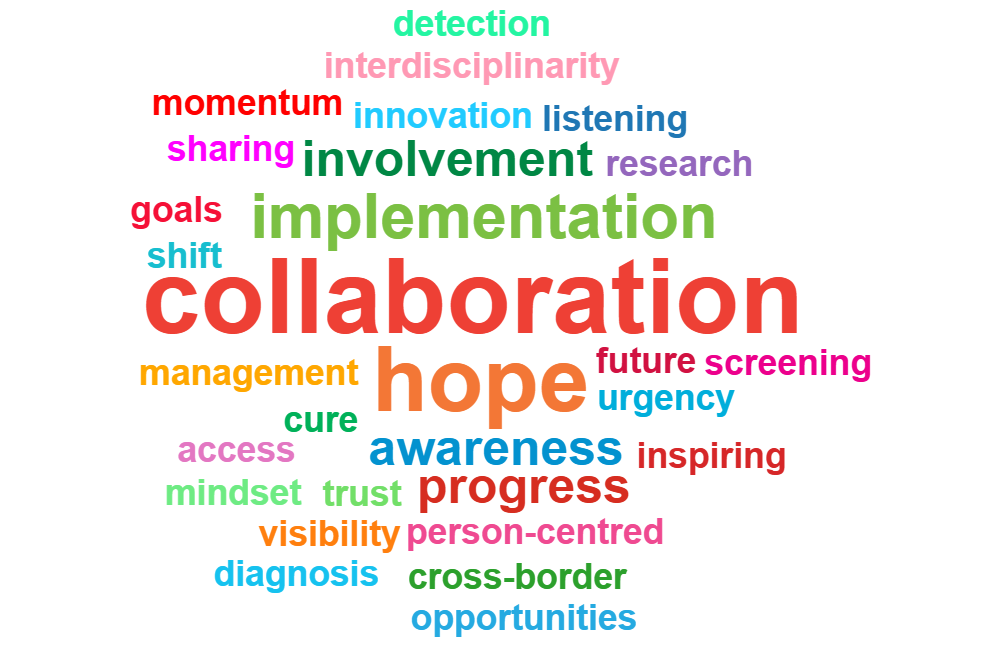
Across Europe, stakeholders recognise both the urgency and the opportunities to transform diabetes care. Closing the event, Prof. Raposo noted: “We share a common vision for what must be done: strengthening prevention and early detection, embedding lived experience at the centre of decision-making, fostering collaboration between policymakers, HCPs, researchers and industry, and driving innovation toward remission and, ultimately, a cure.”
We extend our sincere thanks to all participants and speakers who contributed to these insightful conversations, and to the European Liver Patients Association (ELPA), the European Society of Cardiology (ESC) and the European Kidney Health Alliance (EKHA) for helping to shape the second roundtable. We are also grateful to our partners, Boehringer Ingelheim, Dexcom, Lilly and Novo Nordisk for supporting this important work.