The 79th World Health Assembly on 18-23 May 2026 features an immersive, free-flowing exhibition exploring the value of flexible, person-centred primary health care. Through real stories and physical objects displayed museum-style, the exhibition connects lived experience to the value created for individuals, communities, health systems and economies.
As the global health community looks ahead to the 2027 UN High-Level Meeting on Universal Health Coverage, there is renewed focus on strengthening person-centered primary health care – in particular co-created, flexible models of care.
At its core, person-centered primary health care is about shaping services around people’s needs, including delivering care closer to communities, but this is not consistently realised in practice. The challenge is not proving the importance of flexible, person-centred care. It is about recognising the value and operationalising it in ways that are practical and sustainable.
The exhibition is part of a WHA79 side event co-organised by Harvard Medical School, the International Alliance of Patients’ Organizations (IAPO) and UNAIDs, and sponsored by Roche. The event takes place at the International Red Cross & Red Crescent Museum on Wednesday, 20 May, 18:30-20:30 CET.
The International Diabetes Federation has contributed to the exhibition with testimonials from people living with diabetes affected by crisis and conflict situations. Their testimonials are featured below.
Access to insulin and diabetes care is not a privilege – it is a human right. It must be protected and guaranteed at all times, especially during armed conflicts.
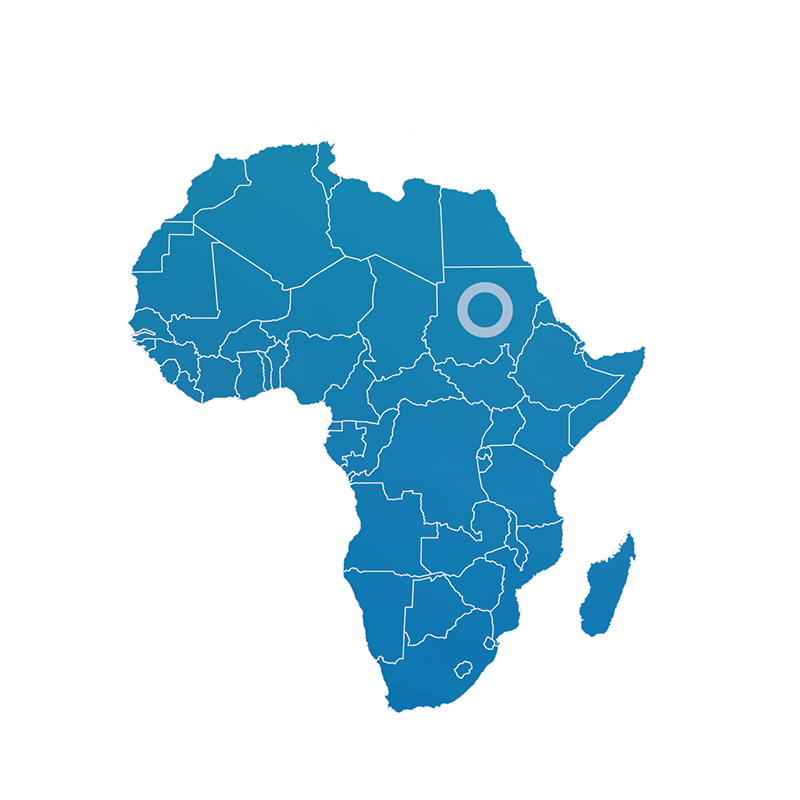
Aya Yousif Balla (Sudan)
Young Leader in Diabetes, living with type 1 diabetes
Insulin pens and glucose monitoring devices are more than just medical tools to me – they represent stability, survival, and control in a life shaped by type 1 diabetes. These everyday items allow me to manage my blood sugar, make safe decisions, and live as normally as possible. Without them, even simple daily activities become dangerous.
For someone like me, they are not optional. They are as essential as food or water. Every dose of insulin and every glucose reading is a step that keeps me alive. They give me independence and reduce the constant uncertainty that comes with this condition.
However, during the war in Sudan, access to these basic tools has become extremely difficult. What was once available is now scarce and expensive. This sudden shift turns a life-saving necessity into something that feels like a luxury. The stress of not knowing if I can find or afford them adds a heavy emotional burden to an already challenging condition.
Access to insulin and diabetes care is not a privilege – it is a human right. It must be protected and guaranteed at all times, especially during armed conflicts.
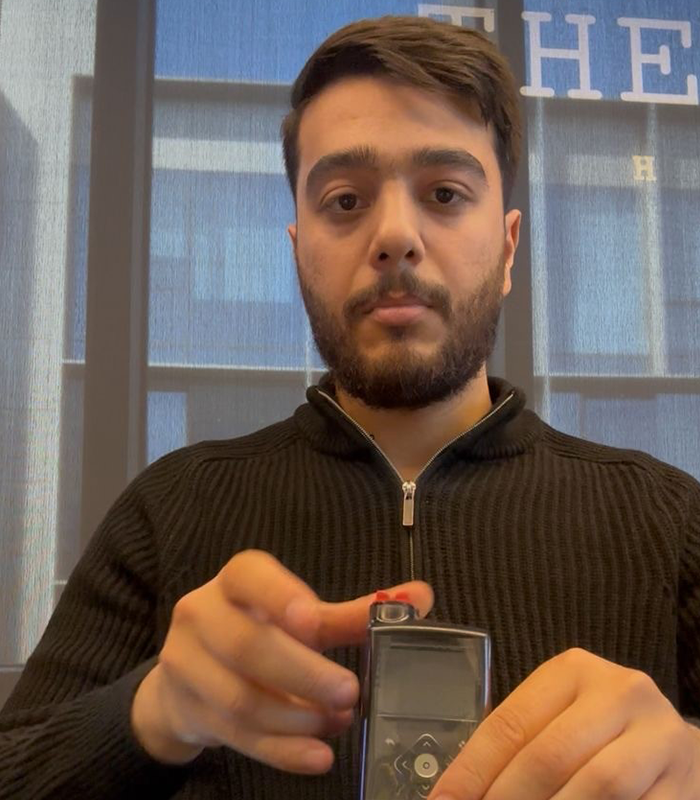
Ezedien Ghalayini (Palestine)
Living with type 1 diabetes, Gaza
I was diagnosed with type 1 diabetes shortly after graduating in 2021. After a difficult journey to stabilise my condition, the war in 2023 changed everything.
I lost my home, lived in constant fear, and eventually ran out of insulin and test strips. I relied on guesswork to manage my blood sugar, often facing dangerous hypoglycaemia with almost no food. At one point, I had no insulin left until a paramedic gave me one pen. In that moment, it meant life.
Days later, my father died in my hands, and we fled, walking 17 kilometres to reach safety in Egypt. Even there, access to insulin remained uncertain. Today, I am still fighting for my health, for access to treatment, and for the right to live with dignity. Because insulin is not optional. It is life.
I did not defeat pain, but I learned how to live with it. My story is not only about diabetes. It is about survival, dignity, and hope. Insulin is not just medicine. For people with type 1 diabetes, insulin is life – and a human right.
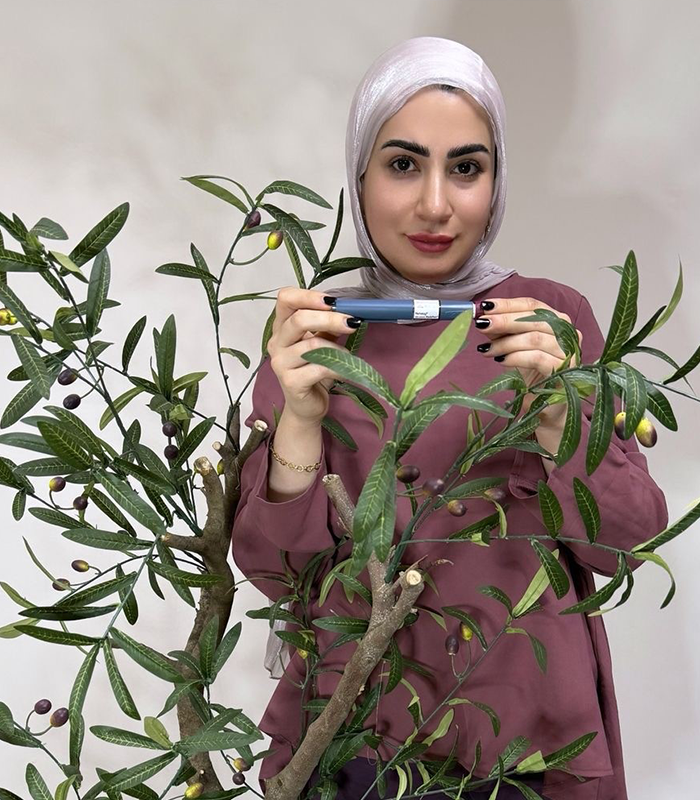
Fatima Barakat (Lebanon)
Young Leader in Diabetes, living with type 1 diabetes
I am afraid of war and for my health. A rocket scares me just as much as the thought of not finding my insulin or my test strips. Both feel like threats to my life.
I am already in distress from losing my home. I don’t want to lose my health, too. I don’t know what scares me more – dying like so many others in conflict or dying slowly from the complications that may come from the stress, the instability, and the disruption of my diabetes care.
I want to live, stay healthy, and manage my condition safely, even in difficult times. My insulin pen is my pancreas – I never go anywhere without it. Without insulin, I cannot survive. It keeps me alive and reminds me to be grateful for this life-saving medicine.
All I want is a chance to live, to stay healthy, and to manage my condition safely, even in the hardest of times. My insulin pen is my pancreas – I never go anywhere without it. Without insulin, I cannot survive. It is my lifeline, and a daily reminder to be grateful and to thank God for this life-saving blessing.
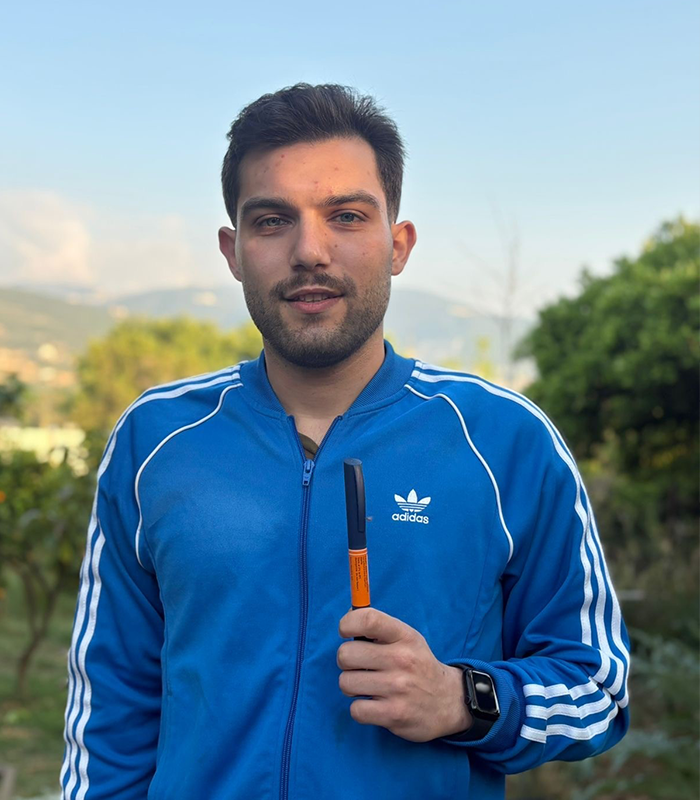
Pedro Al Derjani (Lebanon)
Young Leader in Diabetes, living with type 1 diabetes
I am 27 years old from Lebanon, and I have been living with type 1 diabetes for 10 years. Living with diabetes relies on one essential thing: certainty. Certainty that insulin, monitoring tools, and care will be available. In Lebanon, that certainty does not exist. I do not only fear conflict; I also fear uncertainty.
Uncertainty about whether I will find my insulin. Uncertainty about power cuts affecting its storage. Uncertainty about whether I can manage my condition safely tomorrow.
This constant instability is not only physical. It is also deeply psychological. Living with diabetes already requires continuous attention and discipline. Adding fear and unpredictability creates a mental burden. This burden directly affects our health and well-being. Diabetes does not pause during crises. Yet it remains overlooked in many humanitarian and policy responses. As a young advocate, I call for resilient systems. I call for uninterrupted access to treatment and recognition of the physical and psychological realities faced by people living with diabetes in fragile settings.
Living with diabetes should not mean constant uncertainty. It should mean dignity, stability and hope.
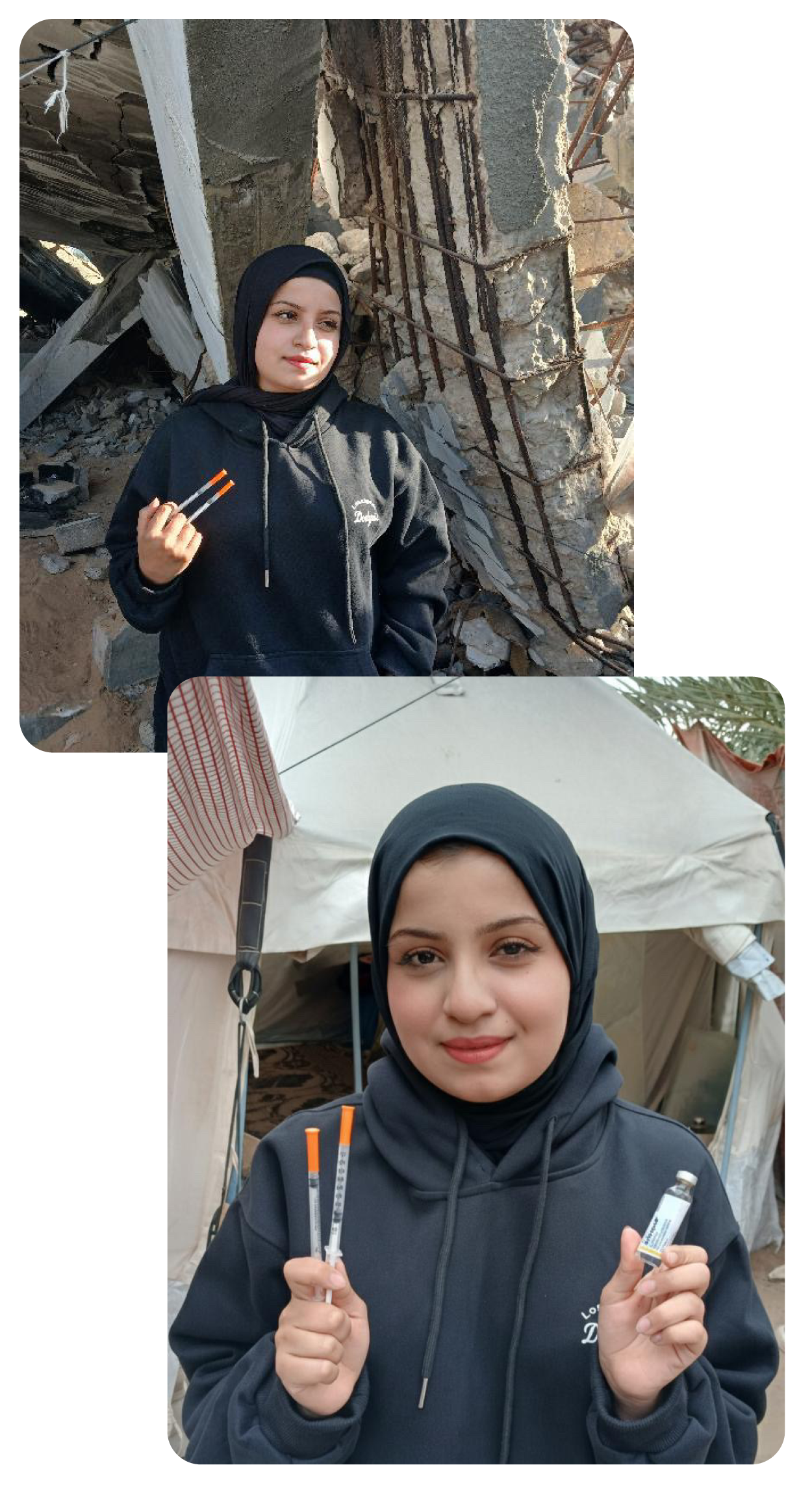
Lojain Nashwan (Palestine)
Living with type 1 diabetes, Gaza
[Image 1] I stand in the heart of total devastation, surrounded by the rubble of levelled buildings. Twisted iron pillars protrude from the shattered concrete, casting a layer of faded grey dust that covers every surface. With my eyes full of questioning and anticipation, my extended hand holds only a few empty syringes. There are no insulin vials and no glucose meters.
These empty syringes I hold amidst this wreckage are a symbol of “deadly helplessness.” As someone living with type 1 diabetes, these syringes represent the path that should deliver life to me, but now they are worthless because the insulin is missing. The daily necessities that were once available have become a “dream” that is hard to reach. The pressure I feel here is not just because of the war that destroyed everything around me, but because of the terror that these syringes will remain empty. In emergencies, insulin becomes an expensive and absent luxury, putting my life at stake every second. Access to treatment is a sacred human right. Depriving me of insulin amidst this destruction is a flagrant violation, offering only a ‘right to a slow death’ that must be stopped.
[Image 2] Sitting in front of my worn tent made from simple fabric, a witness to my new reality, I lean towards resilience and cling to hope. In my hand, I cradle a vial of insulin along with the syringes it comes with. The insulin vial is the most important thing I own in this small tent world. I’ve named insulin the “lifeline”. This small object represents, for me, the ability to survive and persist despite the harshness of displacement.
In normal circumstances, it is just a medicine, but today, in this tent, it represents the difference between life and death. During humanitarian crises, this vial turns into my most precious possession. Obtaining it under bombardment and siege represents an unbearable psychological and financial pressure. Losing it means losing the ability to breathe and live. Ensuring our access to it, even while we are in tents and under fire, is a moral and international legal obligation. Access to insulin is a human right that does not expire in times of war. Instead, it must be protected more than ever to ensure human dignity and the right to survival.