
Healthy nutrition plays an important role in diabetes management by helping to maintain blood glucose levels within the target range, supporting overall health and reducing the risk of diabetes-related complications.
A balanced diet for people living with diabetes includes a variety of nutrient-rich foods such as vegetables, fruits, whole grains, legumes, healthy fats and lean proteins. Healthy eating patterns can also support weight management, improve insulin sensitivity and reduce the risk of developing type 2 diabetes.
There is no universal nutrition plan that works for everyone living with diabetes. Healthy nutrition should be flexible, culturally appropriate and tailored to individual needs, preferences and availability and affordability of food.
Why healthy nutrition matters in diabetes management
Healthy nutrition is an important part of diabetes management. It can help:
- Maintain blood glucose levels within the target range
- Improve insulin sensitivity
- Support cardiovascular health
- Reduce the risk of diabetes complications
- Improve energy levels and well-being
- Support weight management
For people at high risk of type 2 diabetes, healthy nutrition combined with physical activity can help delay or prevent progression to type 2 diabetes.
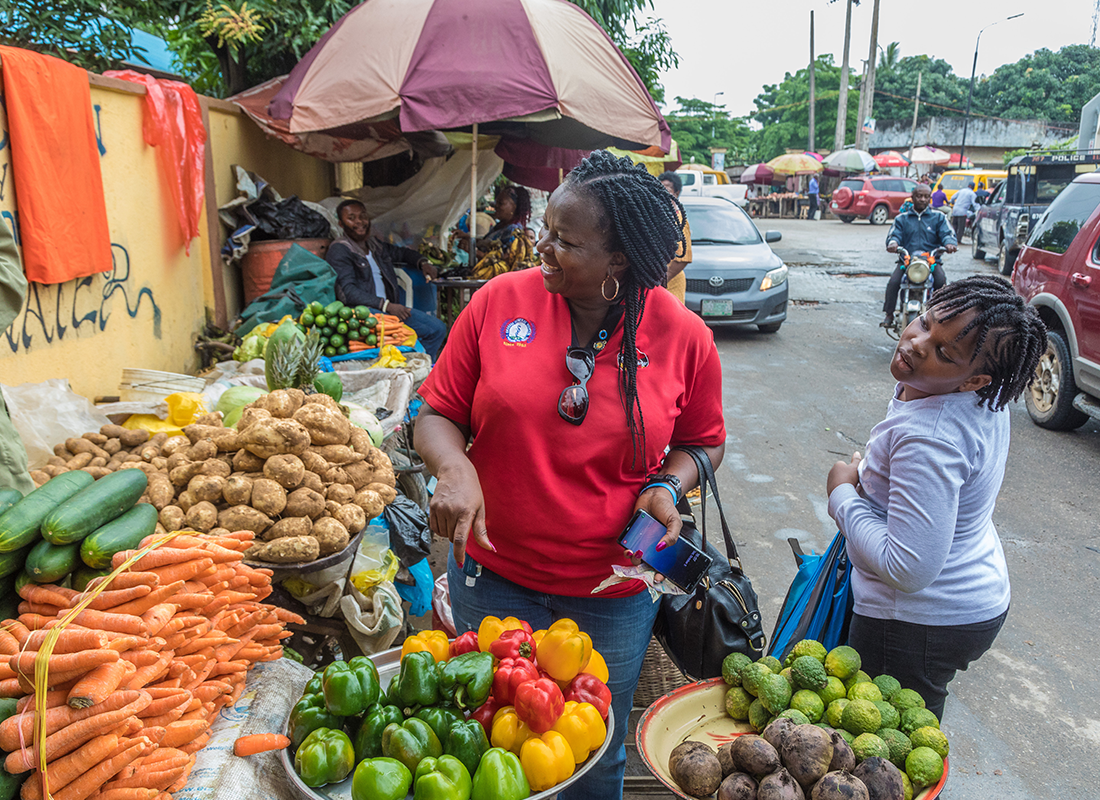
Tips for a healthier diet:
- Drink water, coffee or tea instead of fruit juice, soda, or other sugar-sweetened beverages
- Eat at least three servings of vegetables every day, including green leafy vegetables
- Eat up to three servings of fresh fruit every day
- Choose nuts, a piece of fresh fruit, or unsweetened yoghurt for a snack
- Limit alcohol intake to a maximum of two standard drinks per day
- Choose lean cuts of white meat, poultry or seafood instead of red or processed meat
- Choose peanut butter instead of chocolate spread or jam.
- Choose whole-grain bread, rice, or pasta instead of white bread, rice, or pasta.
- Choose unsaturated fats (olive oil, canola oil, corn oil, or sunflower oil) instead of saturated fats (butter, ghee, animal fat, coconut oil or palm oil.
A balanced diet helps manage blood glucose levels and reduce the risk of diabetes-related complications. By choosing nutrient-rich foods and controlling portion sizes, people with diabetes can better manage blood glucose levels and reduce the need for medication.
Carbohydrates and blood glucose
Carbohydrates usually have the greatest direct impact on blood glucose levels because many carbohydrates are broken down into glucose during digestion. Sugars and starches raise blood glucose, while fibre is not digested in the same way and does not raise blood glucose directly.
Common carbohydrate foods include:
- Bread
- Rice
- Pasta
- Potatoes
- Fruit
- Milk
- Sugary foods and drinks
Not all carbohydrates affect blood glucose in the same way. Refined carbohydrates and sugary foods are digested quickly and can cause a faster rise in blood glucose, while high-fibre carbohydrates such as whole grains, legumes, fruits and vegetables are digested more slowly. Choosing healthier carbohydrate sources and watching portion sizes can help manage blood glucose levels.
People with diabetes can benefit from:
- Choosing high-fibre carbohydrates
- Reducing refined carbohydrates
- Balancing carbohydrate intake across meals
- Understanding portion sizes
Fibre and diabetes
Fibre can help:
- Slow glucose absorption
- Improve digestion
- Support heart health
- Increase feelings of fullness
High-fibre foods include:
- Whole grains
- Vegetables
- Fruits
- Legumes
- Nuts and seeds
Increasing fibre intake can help improve blood glucose management and support long-term health.
Healthy fats and diabetes
Healthy fats can support:
- Heart health
- Cholesterol management
- Overall nutrition
Encourage healthy fats such as:
- Olive oil
- Nuts
- Seeds
- Avocados
- Oily fish
Reduce non-healthy fats such as:
- Trans fats
- Highly processed fats
- Excess saturated fat
Protein and diabetes
Protein helps:
- Maintain muscle health
- Support feeling full
- Reduce excessive snacking
Healthy protein sources include:
- Fish
- Poultry
- Beans
- Lentils
- Tofu
- Eggs
- Low-fat dairy
The glycaemic index and blood glucose
The glycaemic index (GI) measures how quickly foods raise blood glucose levels. Low-GI foods are digested and absorbed more slowly, causing a slower, more gradual increase in blood glucose. Examples of low-GI foods include most fruits and vegetables, plain milk, nuts, legumes, pulses, wholegrain cereals, and wholegrain bread. For people with diabetes, low-GI foods reduce insulin demand and help manage blood glucose levels.
GI can indicate how quickly a carbohydrate-rich food may raise blood glucose, but it does not tell the whole story. A healthy food choice also depends on portion size, fibre content, nutrients, calories, added sugar, saturated fat, sodium, and the overall balance of the meal.
The Mediterranean Diet
The Mediterranean Diet is considered one of the best diets for diabetes management and heart health. This eating plan prioritises plant-based foods, nuts, and healthy fats while limiting red meat, sugar, and saturated fat intake. Its long-established benefits offer a sustainable approach to weight management and better glucose regulation.
Balancing macronutrients
The foundation of a diabetes-friendly diet is built upon nutrient-dense “whole foods”. These foods provide essential vitamins, minerals, and antioxidants, reassuring you that you’re making the best choices for your health. They include a variety of fruits, vegetables, whole grains, lean proteins and healthy fats.
A well-designed, diabetes-friendly diet contains a good balance of macronutrients, including carbohydrates, proteins, and healthy fats. By understanding the impact of these nutrients on blood glucose levels, people with diabetes can make informed choices to manage their condition effectively.
Carbohydrates are the primary macronutrient that directly affects blood glucose levels. People with diabetes or prediabetes need to count and control their carbohydrate intake, focusing on complex, fibre-rich low GI carbohydrates that are absorbed more slowly and have a lower impact on blood glucose.
The amount of carbohydrates you eat will affect your blood glucose levels, so managing carbohydrate intake is important to keep these levels in range. This means matching insulin to the amount of carbohydrates consumed.
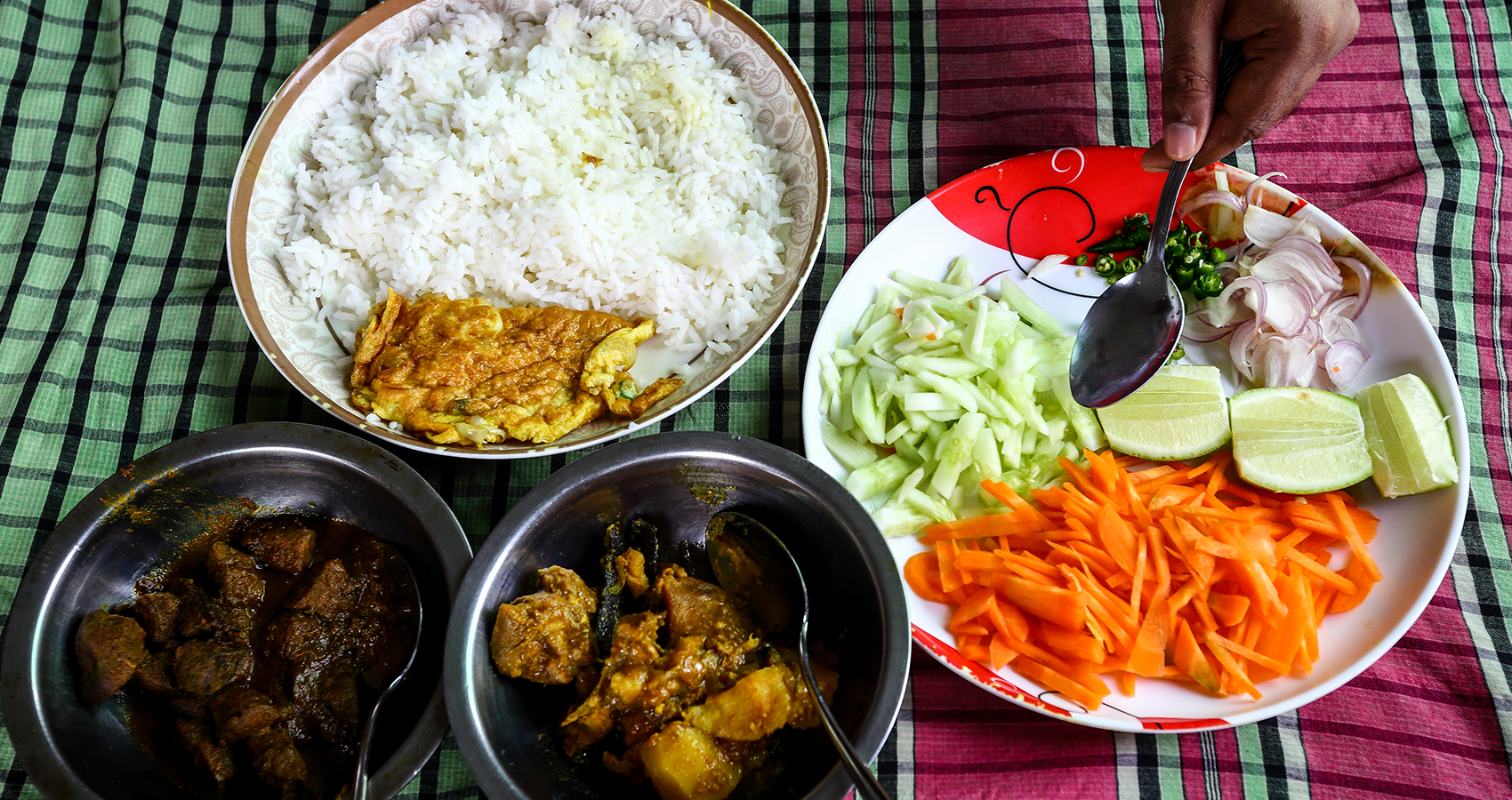
The vegetarian diet for better diabetes management
A vegetarian or vegan diet rich in whole grains, fruits, vegetables, legumes, and nuts may significantly benefit diabetes management and prevention, even reducing or eliminating the need for diabetes medicines.
Research suggests that plant-based diets can improve insulin sensitivity, contribute to weight management, and lower the risk of type 2 diabetes by up to 35%. Vegetarian diets have a high fibre content, which helps regulate blood glucose levels. At the same time, abundant antioxidants and phytochemicals provide additional health benefits.
Avoid sugary drinks and fruit juices when thirsty because these can cause spikes in blood glucose levels. However, sugary drinks can be helpful when treating hypoglycaemia. Instead of sugary options, choose water or sugar-free drinks, tea and coffee.
Portion sizes and meal timing
Achieving and maintaining a healthy body weight is crucial in diabetes prevention and management. Even modest weight loss can significantly improve insulin sensitivity and reduce the risk of developing type 2 diabetes.
Portion control and consistent meal timing are part of maintaining stable blood glucose levels. People with diabetes or IH should work closely with healthcare professionals or registered dietitians to determine the appropriate portion sizes and meal schedules that best suit their needs.
Additionally, intermittent fasting can offer promising benefits for diabetes management and prevention. This eating pattern, which restricts food intake to specific hours, has shown results in promoting weight loss and improving blood glucose control. Studies have found that people with type 2 diabetes lose more weight through daily fasting periods compared to calorie restriction. For those with IH, intermittent fasting may help prevent type 2 diabetes by regulating insulin sensitivity. However, before starting a fast, it is important to consult a healthcare professional to learn about any associated risks and complications and create a fasting management plan.
Cultural and personal food preferences
Recognising the diversity of cultural and personal food preferences, a diabetes-friendly diet should be adaptable and inclusive. Individuals can maintain a nutritious and satisfying eating plan by incorporating traditional or favoured dishes while making necessary modifications.
The amount of carbohydrates you eat will affect your blood glucose levels, so managing carbohydrate intake is important to keep these levels in range. This means matching insulin to the amount of carbohydrates consumed.
Avoid sugary drinks and fruit juices when thirsty because these can cause spikes in blood glucose levels. However, sugary drinks can be helpful when treating hypoglycaemia. Instead of sugary options, choose water or sugar-free drinks, tea and coffee.

Nutrition and gestational diabetes
Healthy lifestyle changes can ensure optimal health outcomes in women with gestational diabetes (GDM).
While there is no universal medical consensus on the nutritional components of a diet for women with GDM, healthy nutritional recommendations should consider carbohydrate portions size to limit glucose spikes.
Carbohydrates include whole grains, such as bread, cereal, pasta and rice, and starchy vegetables, such as corn and peas. Always consult your healthcare provider to work on a suitable meal plan adjusted to your specific health requirements.
Learn more about gestational diabetes