
Insulin is a hormone made by the pancreas that helps regulate blood glucose levels by allowing glucose to enter the body’s cells for energy. People with diabetes may need insulin therapy if their body does not produce enough insulin or cannot use it effectively.
People with type 1 diabetes require insulin therapy for survival, while people with type 2 diabetes or other types may require it to manage their condition.
What is insulin?
Insulin helps move glucose, also called sugar, from the blood into the body’s cells for energy. The pancreas makes insulin that regulates blood glucose levels. Insulin acts like a key to let glucose pass from the bloodstream into cells to produce energy. The body breaks down carbohydrate foods into glucose, which enters the bloodstream. Insulin then helps glucose move from the blood into the body’s cells, where it can be used for energy.
When the body cannot use insulin effectively – known as insulin resistance – or produce insulin, this leads to high blood glucose levels (hyperglycaemia). People living with diabetes may require insulin treatment depending on their type of diabetes.
People with type 1 diabetes will always need to take insulin. In contrast, people with type 2 diabetes or gestational diabetes may need to include insulin in their management plan if lifestyle changes and oral medications are not enough to manage their blood glucose levels.
Why insulin is important
Insulin plays an essential role in helping the body:
- Use glucose for energy
- Maintain healthy blood glucose levels
- Prevent dangerously high blood glucose
- Support normal body function
Without insulin, glucose cannot enter cells effectively. Over time, this can lead to serious health complications affecting the:
- Heart
- Kidneys
- Eyes
- Nerves
- Blood vessels
Who needs insulin?
| Type of diabetes | Need for insulin therapy |
| Type 1 diabetes | People with type 1 diabetes need lifelong insulin therapy because their bodies produce little or no insulin. |
| Type 2 diabetes | Some people with type 2 diabetes may need insulin therapy if lifestyle changes, oral medications or other treatments are not sufficient to manage their blood glucose levels. |
| Gestational diabetes | Some women with gestational diabetes may require insulin therapy during pregnancy if their blood glucose levels cannot be managed through nutrition and physical activity alone. |
Types of insulin
Insulin comes in several forms, each made to work at different rates and for different durations. Some types help keep blood glucose levels steady throughout the day and night, while others help manage post-meal glucose spikes. Depending on a person’s management plan, insulin may be taken once daily, twice daily, before meals, or as a premixed combination.
- Basal insulins—also called long-acting or background insulins—are taken once or twice a day, usually in the morning or at bedtime. They work slowly to maintain stable blood glucose levels overnight or between meals.
- Bolus insulins, usually taken before meals, work quickly to help manage the rapid rise in glucose levels after eating. Some insulins are a mixture of slow-acting background and rapid-acting mealtime insulin.
- Mixed insulins are taken before meals without basal insulin at a different time. They can be a combination of short-acting and intermediate-acting insulin or rapid-acting and intermediate-acting insulin. The insulin is premixed and is cloudy instead of clear.
Insulins are also classified by the timing of their action in the body, specifically, how quickly they start to act, when they have a maximal effect, and how long they act – onset, peak effect and duration.
| Insulin type | When it starts or works | Typical use |
| Rapid-acting insulin | Starts working within minutes | Used before meals to help control glucose spikes after eating |
| Short-acting insulin | Begins working within 30 minutes | Usually taken before meals |
| Intermediate-acting insulin | Works for longer periods | Often used to maintain baseline insulin levels |
| Long-acting insulin | Provides steady insulin coverage over many hours | Often taken once daily |
How insulin is used
Insulin is commonly taken using:
- Syringes
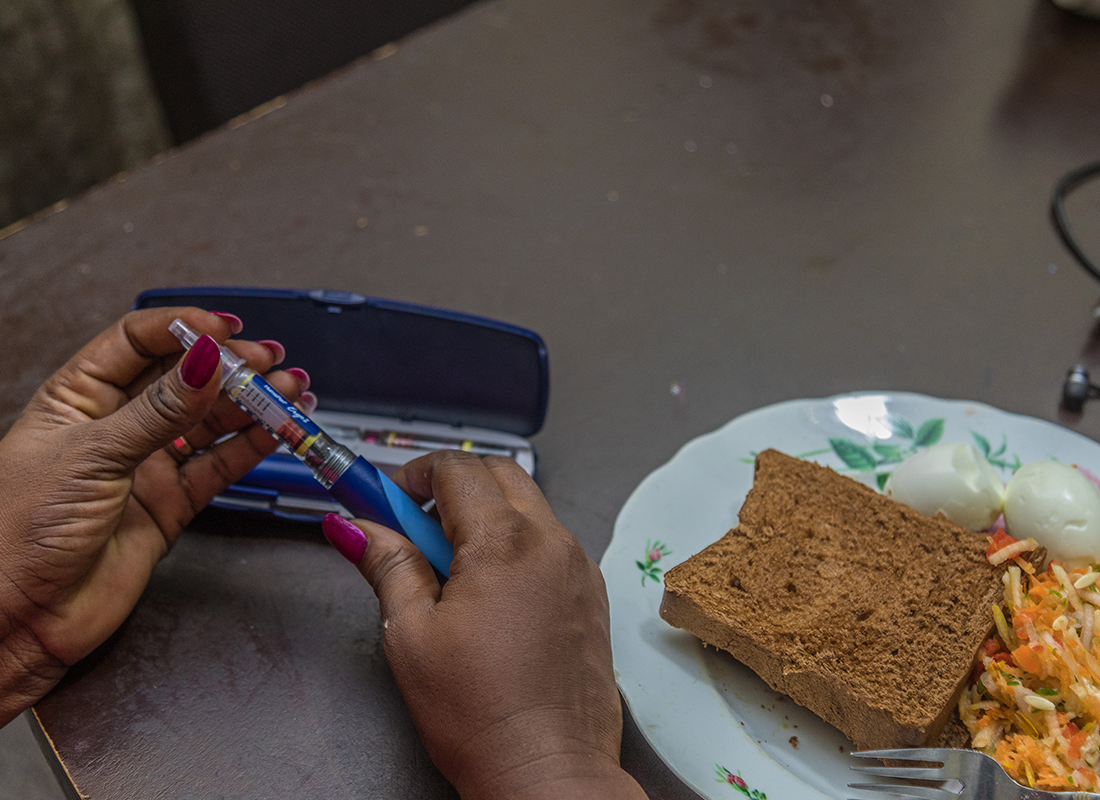
- Insulin pens
- Insulin pumps
Management plans vary depending on:
- Type of diabetes
- Blood glucose patterns
- Lifestyle
- Individual health needs
Insulin can be taken:
- Before meals
- Once daily
- Multiple times per day
Healthcare professionals help determine the most appropriate insulin regimen for each person.

Matching insulin to diabetes type
Different types of diabetes may require different insulin regimens that attempt to replicate the body’s normal pattern of insulin secretion.
| Type of diabetes | Insulin therapy |
| Type 1 diabetes | People with type 1 diabetes usually require basal (long-acting) insulin and bolus (short-acting) insulin to replicate the body’s normal insulin production. |
| Type 2 diabetes | People with type 2 diabetes may need insulin therapy temporarily or long-term. It can be given as a single treatment or with other medications and can include long-acting or rapid-acting insulin. Treatment needs vary between individuals. |
| Gestational diabetes | Women with gestational diabetes may require rapid-acting and/or long-acting insulin to help maintain healthy blood glucose levels during pregnancy. |
Choosing the right insulin
The choice of insulin can depend on various factors:
- Individual lifestyle: Work schedule, meal patterns and physical activity levels.
- Blood glucose patterns: Fasting and post-meal glucose levels.
- Risk of hypoglycaemia: Some insulins carry a lower risk of causing low blood glucose.
- Age and overall health: Certain insulins may be more suitable for older adults or those with other health conditions.
- Personal preferences: Some people may prefer insulin pens over vials or insulin pumps, or fewer daily injections.
What works for one person may not work for another. Understanding the different types of insulin is a crucial step in managing diabetes. By working with a team of healthcare professionals and staying informed, you can manage your diabetes and lead a healthy life.
Monitoring blood glucose while using insulin
People with diabetes who take insulin often need regular blood glucose monitoring to:
- avoid hypoglycaemia (low blood glucose)
- avoid hyperglycaemia (high blood glucose)
- adjust insulin doses safely
- understand glucose patterns
Insulin therapy and daily life
Managing diabetes with insulin therapy may involve:
- meal planning
- physical activity adjustments
- blood glucose monitoring
- managing insulin timing
- emotional and mental health support
Challenges accessing insulin globally
Over 100 years since insulin was discovered and first used to manage diabetes, access to this life-saving medication across the world remains unequal.
Many people face barriers including:
- High insulin costs
- Limited healthcare access
- Supply shortages
- Inadequate diabetes education
Securing universal access to insulin for all who require it is essential to reduce preventable diabetes complications and deaths, and improve health outcomes for people living with diabetes.

Discovery of insulin
In May 1921, the experiments that would culminate in the synthesis of commercially available insulin first began in Toronto, Canada.
Frederick Banting and Charles Best experimented on diabetes-induced dogs with limited success.
A breakthrough came when one of the dogs, named Marjorie by the Toronto team, survived for 70 days with injections of the pancreatic extract, or ‘Isletin’ as the team were calling it.
On 23 January 1922, the first successful injection of insulin was administered to a person living with diabetes. This discovery paved the way for modern type 1 diabetes treatment and insulin therapy.
Learn more about the discovery of insulinInsulin production
Since insulin was discovered and first used to treat people with diabetes, production has evolved along with diabetes management. The first type of insulin was animal insulin, extracted from beef and pork pancreas. Some people with diabetes still use this type of insulin because they find purified (cleaned) animal insulin works best for them.
In the early 1980s, technological advances made it possible to produce human insulin synthetically in a laboratory to resemble insulin made by the body.
A decade later, insulin analogues were introduced. These are also synthetic insulins made in a laboratory but altered to create genetically engineered insulin.
Most recently, biosimilar insulins have emerged. They are developed using a different process and may have slight differences in their molecular structure, making them distinct from the original insulin products.

How to take insulin
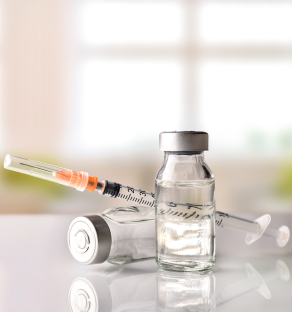
People with diabetes can take insulin by injection or infusion. As insulin types have advanced, insulin injection methods have also evolved. When insulin was first administered, people used glass syringes and vials. Today, disposable plastic syringes are widely available.
In the 1980s, insulin pens became an alternative to syringes and vials. These devices enable more accurate dosing, better adherence and less pain in the injection site. They have also benefited from improved technology, using digital displays and memory to record recent insulin doses.
Insulin pumps are the most advanced form of insulin delivery. They are small, computerised devices programmed to deliver insulin under the skin. Insulin pumps can be used with continuous glucose monitoring (CGM) devices that check blood glucose levels.
For people with type 1 diabetes, insulin infusions — when insulin is taken using intravenous (IV) therapy — may be necessary to treat hyperglycaemia. This is usually done for diabetic ketoacidosis (DKA) or for diabetes management during surgery or a hospital stay.
Side effects and risks
While insulin is a lifesaver for many, there are also potential side effects:
- Hypoglycaemia (low blood sugar): The most common and severe side effect. Symptoms include shakiness, sweating, confusion, and, in severe cases, loss of consciousness.
- Weight gain: Insulin can lead to weight gain, which may be managed through diet and exercise.
- Injection site reactions: Redness, swelling or itching at the injection site.
- Insulin resistance: In some cases, the body may become less responsive to insulin over time.
- Allergic reactions: Rare but can occur. Symptoms may include rash, difficulty breathing or swelling.
- Lipodystrophy: Changes in fat tissue at injection sites can affect insulin absorption.
Related resources

Online course
Insulin and how to use it safely
In this free 25-30 minutes course you will learn what insulin is and why people living with type 1 diabetes and some people living with type 2 and gestational diabetes need to take it.
link to https://understandingdiabetes.org/insulin-safely/en
Access the course
Online course
It's about timing and targeting: practical guidance on implementation of once-weekly basal insulin
On-demand webinar for healthcare professionals offering practical implementation of once-weekly basal insulins for people with type 2 diabetes.
link to https://www.idfdiabeteschool.org/resourcelibrary/webinar-basal-insulin
Access the webinar
Online course
Biosimilar insulins
Free IDF School of Diabetes online course for healthcare professionals that provides the latest advanced guidelines on the availability of affordable insulin options and the effective use of biosimilars to support diabetes management and promote self-management.
link to https://www.idfdiabeteschool.org/free-courses/biosimilar-insulins
Access the course