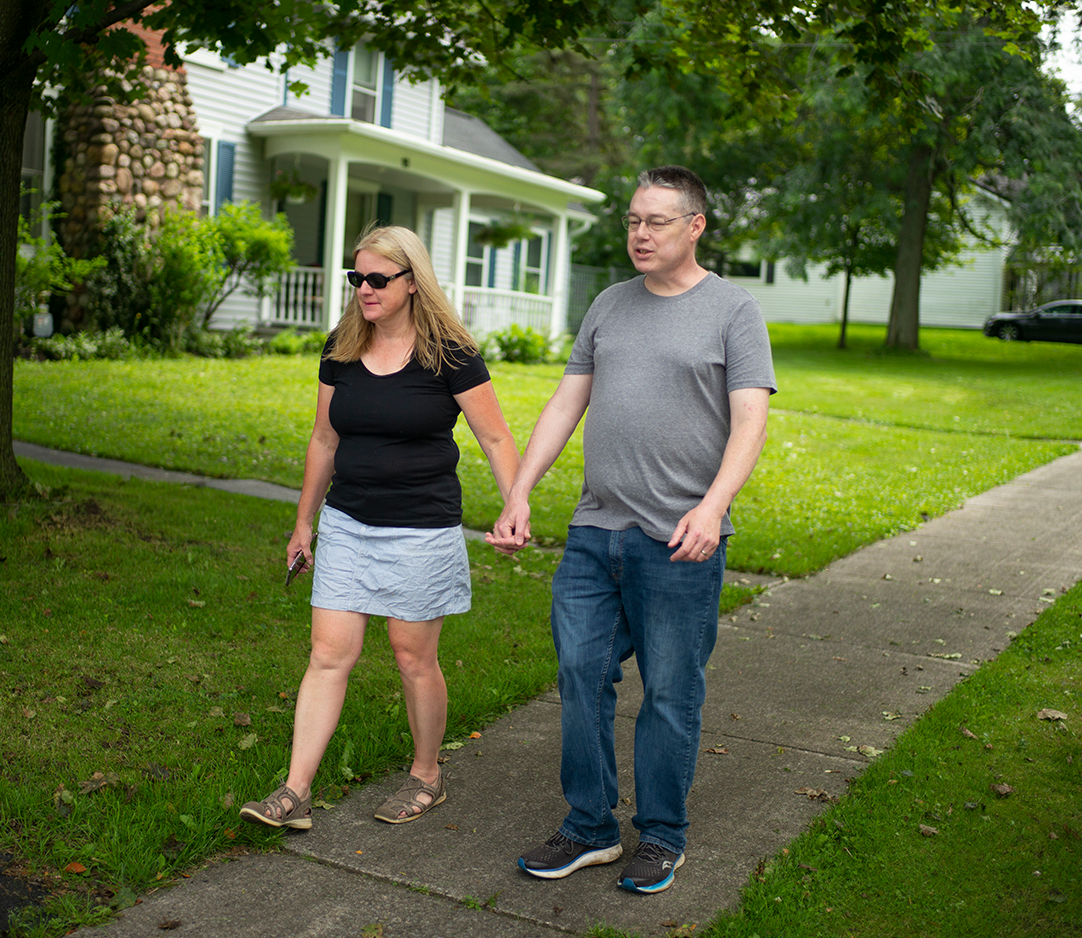
For all people living with diabetes, physical activity is a powerful tool to help manage health and well-being. Regular physical activity improves cardiovascular health, supports weight management and can boost mood and reduce stress. All these elements contribute to a healthier, more balanced lifestyle.
Physical activity is any movement that burns energy, including during leisure time, transport to and from places, or as part of work or domestic activities. Both moderate and vigorous physical activity improves health. Popular ways to be active include walking, cycling, sports, active recreation and play. These can be enjoyed at any skill level. There is no single exercise plan that works for everyone. Physical activity should be adapted to individual health needs, abilities and preferences.
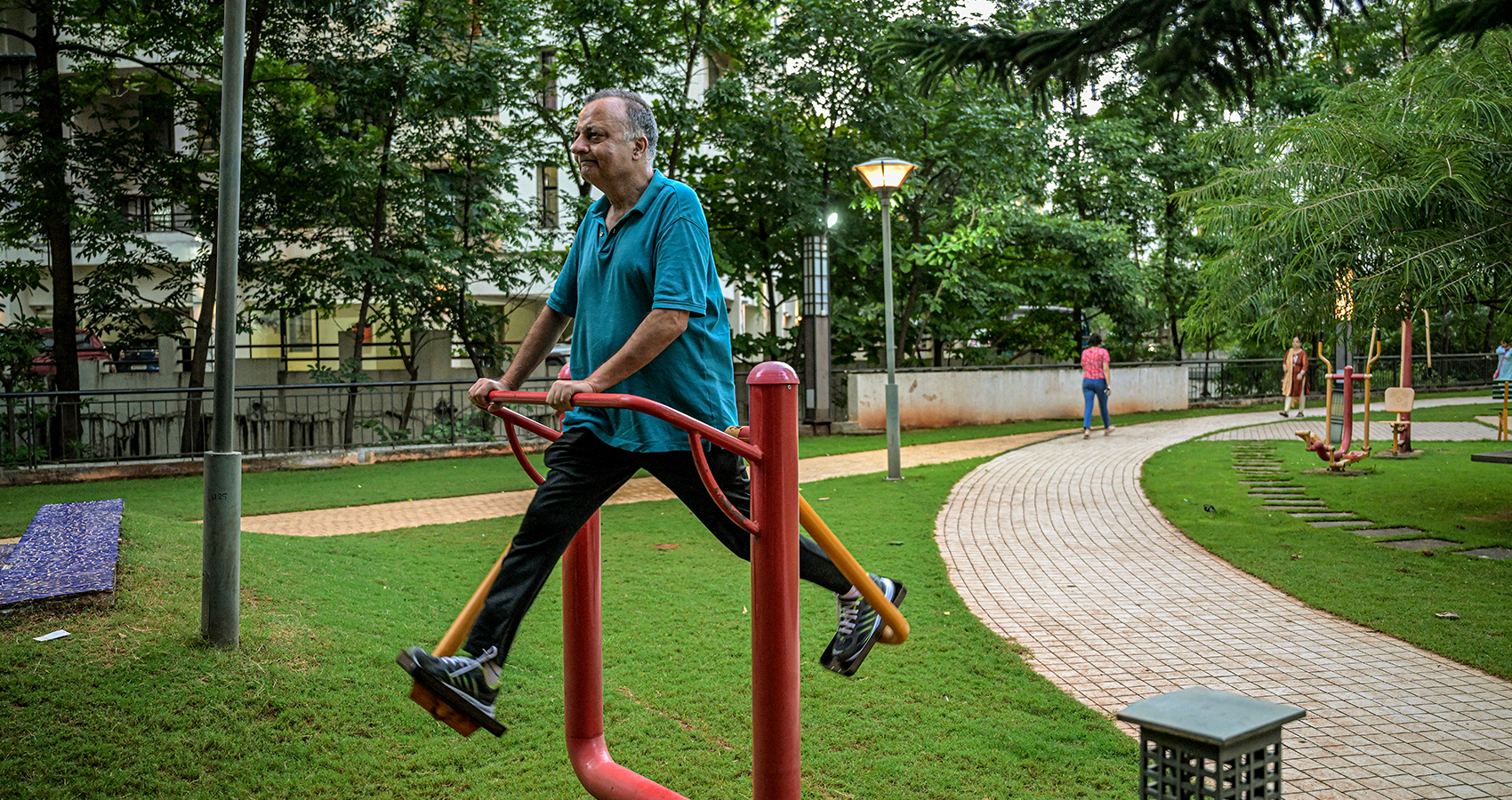
Why physical activity matters for diabetes
Physical activity supports diabetes management and overall well-being.
When you exercise, the muscles use glucose for energy, helping to reduce blood glucose levels and improve insulin sensitivity. Regular activity can also support cardiovascular health, weight management and mental well-being.
Benefits of regular physical activity for people living with diabetes include:
- Improved blood glucose management
- Better insulin sensitivity
- Improved cardiovascular health
- Support for weight management
- Reduced stress and anxiety
- Improved sleep and energy levels
- Lower risk of diabetes-related complications
A sedentary lifestyle can increase the risk of health complications and make diabetes management more challenging.
Physical activity and different types of diabetes
Physical activity can benefit people living with all types of diabetes, although needs may vary depending on individual circumstances.
Physical activity is not limited to gym workouts or organised sports. Many different activities can contribute to your overall health and fitness. These can include everyday tasks such as gardening, housework or walking to the supermarket. Work-related activities like climbing stairs or carrying boxes can count towards daily physical activity. The key is to find an enjoyable movement adapted to your lifestyle to ensure you will follow it long-term.
Type 1 diabetes
For people with type 1 diabetes, physical activity can support blood glucose management, improve cardiovascular health, strength and mental well-being. Blood glucose monitoring before and after exercise is important to manage the risk of hypoglycaemia (low blood glucose).
Type 2 diabetes
For people living with type 2 diabetes, regular physical activity can improve insulin sensitivity, support blood glucose management and help with weight management and cardiovascular health.
Gestational diabetes
Regular physical activity during pregnancy can help improve insulin sensitivity and support healthy blood glucose levels in women with gestational diabetes. It can also prevent excessive weight gain and reduce the risk of complications during pregnancy.
Tailoring physical activity to individual needs
There is no single approach to physical activity. Exercise programmes can vary from person to person, depending on the type of diabetes, current fitness level and individual preferences.
Consulting with healthcare professionals can help people with diabetes develop a personalised exercise plan that considers their specific circumstances, ensuring a safe and effective approach to incorporating physical activity into their diabetes management strategy.
Exploring the options
Exercise is not limited to gym workouts or organised sports. Many different activities can contribute to your overall health and fitness. These can include everyday tasks such as gardening, housework or walking to the shops. Work-related activities like climbing stairs or carrying boxes can count towards daily physical activity. The key is to find an enjoyable movement adapted to your lifestyle to ensure you will adhere to it long-term.
Physical activity with specific benefits and considerations
Aerobic exercises: boosting cardiovascular health
Aerobic activities like walking, swimming, or cycling offer specific benefits to people with diabetes. They improve cardiovascular health, aid in weight management and enhance insulin sensitivity. Furthermore, these exercises can be tailored to various fitness levels, making them easily accessible.
Strength training: enhancing insulin sensitivity
Incorporating strength training exercises, using weights or resistance bands, can also be part of diabetes management. Strength training can contribute to more effective blood glucose management and overall metabolic regulation by building muscle mass and improving insulin sensitivity. Strength training also helps prevent muscle loss, which is common in people with diabetes.
Flexibility and balance: reducing injury risk
Flexibility and balance exercises, such as yoga and Pilates, are valuable additions to a diabetes-friendly exercise routine. These activities promote better posture and joint flexibility and help reduce the risk of injury, which is particularly important for people with diabetes who may be prone to foot and nerve-related complications.
For pregnant women with GDM, recommended options are low-intensity exercises such as walking, swimming, stationary cycling and prenatal yoga.

Tailoring physical activity to individual needs
There is no single approach to physical activity that works for everyone. The most effective plan is often one that is enjoyable, accessible and sustainable over time.
Physical activity plans should consider:
- Type of diabetes
- Age
- Fitness level
- Existing health conditions
- Personal goals
- Lifestyle and preferences
Healthcare professionals can help you develop a safe and realistic approach to increasing physical activity.
Developing a personalised physical activity plan
Crafting a personalised plan is essential to ensure safety, results and long-term sustainability of physical activity routines.
Starting safely
People beginning a new physical activity routine or resuming one after a long period can benefit from:
- Starting with short sessions
- Increasing intensity gradually
- Choosing low-impact activities
- Monitoring how the body responds
This approach allows the body to adapt to the increased demands, minimising the risk of negative effects, such as hypoglycaemia.
Blood glucose and exercise
Physical activity can affect blood glucose levels before, during and after exercise.
Some people may need to:
- Monitor blood glucose levels more regularly
- Adjust food intake
- Adjust insulin or medication timing
Timing physical activity with insulin and meal schedules is very important. Healthcare professionals can help tailor physical activity routines safely and determine the optimal timing and any necessary insulin adjustments to prevent hypoglycaemic episodes during and after exercise.
Regularly monitoring blood glucose levels before, during, and after physical activity will help understand how the body responds to different types and intensities of activity and adjust insulin and carbohydrate intake as needed.
Recommended activity levels
Consistency is important.
Adults should aim for:
- At least 150 minutes of moderate-intensity aerobic activity each week
- Strength training activities at least twice weekly
Activity can be spread across multiple shorter sessions.
Cultivating motivation and consistency
Following a regular physical activity routine requires a proactive approach to maintaining motivation. To stay inspired and committed, start by setting achievable goals, tracking progress, and celebrating small victories. Additionally, finding enjoyable activities and incorporating social elements can enhance motivation.
To reap the benefits of a routine, consider the time of day for the physical activity. According to studies, moderate to vigorous physical activity in the afternoon and evening significantly impacts blood glucose control more than morning exercise and may help reduce insulin resistance and liver fat content.
Overcoming the barriers
Incorporating physical activity into a diabetes management routine can present challenges. These obstacles can be overcome with the right strategies and mindset.
Factors such as lack of time, fear of hypoglycaemia, or perceived physical limitations can make people with diabetes wary of engaging in regular exercise. By addressing these barriers head-on and seeking support from healthcare providers or diabetes-focused communities, people can develop effective coping mechanisms and overcome these challenges.
Prioritising safety and minimising the risks
While the benefits of physical activity for people with diabetes are well-documented, it is essential to address the potential risks and safety considerations associated with it.
Preventing hypoglycaemia
Hypoglycaemia, or low blood glucose, is a common concern for people with diabetes during and after physical activity. Adjusting insulin intake, consuming appropriate carbohydrate sources, and closely monitoring blood glucose levels are all proactive measures that can help reduce the risk of hypoglycaemic episodes.
Drinking water regularly helps maintain optimal blood glucose levels and prevents dehydration, which can be particularly problematic. Dehydration causes blood pressure to fall and the body to secrete stress hormones, which can raise blood glucose.
Technology has revolutionised diabetes management by integrating health data into daily routines. Apps for phones and smart watches now offer real-time fitness tracking and continuous glucose monitoring, allowing people to exercise safely and confidently.
These devices alert users when their blood glucose levels fluctuate, prompting them to adjust their activity or take necessary precautions. Moreover, smartphone apps provide personalised workout plans and reminders, making it easier for people with diabetes to maintain consistent physical activity plans.
Foot care and proper footwear
People with diabetes are particularly susceptible to foot-related complications, such as nerve damage and poor circulation. Incorporating proper foot care, including regular foot examinations and appropriate, well-fitting footwear, is crucial for safe and comfortable physical activity.