
Fasting involves going without food, drink or both for a determined period. Some people living with diabetes may choose to fast for religious, cultural or health reasons, including intermittent fasting.
Research suggests that certain forms of fasting may help improve insulin sensitivity, support weight management and reduce the risk of type 2 diabetes. However, fasting can also increase the risk of hypoglycaemia (low blood glucose), hyperglycaemia (high blood glucose), dehydration and diabetic ketoacidosis (DKA), particularly for people using insulin or glucose-lowering medications.
Because fasting affects blood glucose levels differently from person to person, people living with diabetes should consult a healthcare professional before starting a fasting plan. Safe fasting requires personalised support, medication adjustments and regular blood glucose monitoring.
What is fasting?
Fasting is the practice of avoiding food, drink or both for a specific period of time.
People may fast for different reasons, including:
- Religious practices
- Cultural traditions
- Weight management
- General health and lifestyle goals
There are different types of fasting, including:
- Intermittent fasting
- Time-restricted eating
- Religious fasting (e.g., Ramadan, Yom Kippur, Lent)
- Medically supervised fasting
Fasting affects how the body uses glucose and stored energy, which can influence blood glucose management in people living with diabetes.
How fasting affects the body with diabetes
Fasting works by mobilising glucose and fat for energy. In the first fasting stage, the body mobilises all the glucose for energy. When there is no more glucose for energy, alpha cells in the pancreas produce glucagon and release it in response to a drop in glucose. Glucagon, a hormone produced by the pancreas to regulate blood glucose levels, helps to break down fat, particularly in the pancreas, liver, and visceral areas, creating ketones for energy. The hormone further elevates the benefits of fasting by preventing glucose levels from dropping too low.
During fasting, the body changes how it produces and uses energy. When glucose from food is not available, the body begins using stored glucose and fat for energy. Hormones such as glucagon help regulate blood glucose levels and support energy production during fasting periods.
Potential benefits of fasting
Research suggests that certain fasting approaches may support metabolic health and diabetes management and risk reduction in some people.
Potential benefits may include:
- Improved insulin sensitivity
- Lower blood glucose levels
- Weight management support
- Reduced blood pressure
Some studies also suggest that intermittent fasting or intermittent calorie restriction may support type 2 diabetes remission in certain people, particularly when combined with a structured nutrition plan with medical support.
Is fasting safe for people with diabetes?
Fasting is not recommended for everyone. Due to the metabolic nature of the condition, people with diabetes are at particular risk of complications from marked changes in food and liquid intake.
Fasting with diabetes can lead to complications that include:
- Low blood glucose (hypoglycaemia)
- High blood glucose (hyperglycaemia)
- Dehydration
- Diabetic ketoacidosis (DKA), in people with type 1 diabetes
People at higher risk during fasting include:
- People with type 1 diabetes
- People with diabetes using insulin
- People with frequent hypoglycaemia
- Pregnant women with diabetes
- People with diabetes complications
- Older adults with complex health conditions
Before starting a fast, people with diabetes should consult a healthcare professional to:
- Learn about any associated risks and complications
- Create a fasting management plan.
- Adjust medication when needed
- Monitor blood glucose levels
- Know when to stop fasting
Personalised support can help reduce the risk of complications and improve safety during fasting periods.
Religious fasting
Religious fasting takes many forms across different faiths, each with its own pattern, duration and rules. Practices vary between communities and individuals and most faiths provide for health-based exemptions or accommodations for those who need them, including people living with chronic conditions like diabetes.
Across all faiths, the safest approach to fasting with diabetes is early planning. Any person with diabetes planning to observe a religious fast is encouraged to speak with a healthcare provider to understand their personal risk level before starting their fast.
Diabetes and Ramadan
Fasting during the holy month of Ramadan is one of the five pillars of Islam. Followers must refrain from eating and drinking between dawn and sunset and must abstain from using oral medications, sexual activity and smoking.
Estimates published in 2021 suggest that there are over 150 million Muslims with diabetes worldwide. Despite potentially being exempt from fasting, many people with diabetes choose to fast.
Safe fasting during Ramadan requires preparation and ongoing monitoring. Before fasting, people with diabetes should consult a healthcare professional to determine if it is safe to fast and develop a diabetes management plan.
Important considerations include:
- Monitoring blood glucose levels regularly
- Adjusting insulin or medication timing
- Staying hydrated during non-fasting hours
- Eating balanced meals at the beginning and end of each fasting period (e.g., Suhoor and Iftar)
- Recognising warning signs of complications
- Knowing when to break the fast
Intermittent fasting and type 2 diabetes
Intermittent fasting is increasingly recognised by the medical community as a possible dietary approach for some people with type 2 diabetes, particularly for weight loss and blood glucose management. However, it is not suitable for everyone and should be done with medical guidance, especially for people taking insulin or other glucose-lowering medications.
Some intermittent fasting approaches include:
- Time-restricted eating
- Alternate-day fasting
- Reduced-calorie fasting schedules
Research suggests intermittent fasting may help:
- Improve insulin sensitivity
- Support weight management
- Reduce insulin resistance
Related resources
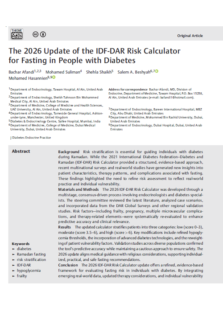
Guideline
IDF-DAR Risk Calculator Update 2026
The 2026 update of the IDF-DAR Risk Calculator offers a refined, evidence-based
framework for evaluating fasting risk in individuals with diabetes, integrating
emerging real-world data and updated therapy considerations. Published in the Journal of Diabetes Endocrine Practice.
IDF DAR Risk Calculator Update 2026
pdf
7MB
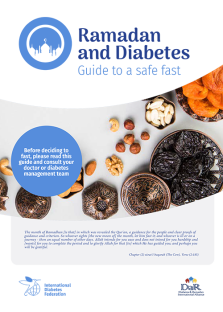
Guideline
Diabetes and Ramadan: Guide to a Safe Fast
This guide for people with diabetes who choose to fast during Ramadan provides information on the associated risks and complications of fasting and tips on blood glucose monitoring during a fast.
link to https://media.idf.org/media/uploads/2024/08/DAR-guide-to-safe-fast-EN.pdf
pdf 350kb
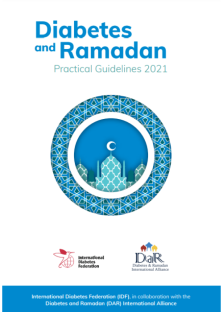
Guideline
Diabetes and Ramadan: Practical Guidelines 2021
These guidelines are intended to provide real-world recommendations to health professionals to support people with diabetes who choose to fast during Ramadan.
IDF_DaR_Practical_Guidelines_Ramadan
pdf
12MB