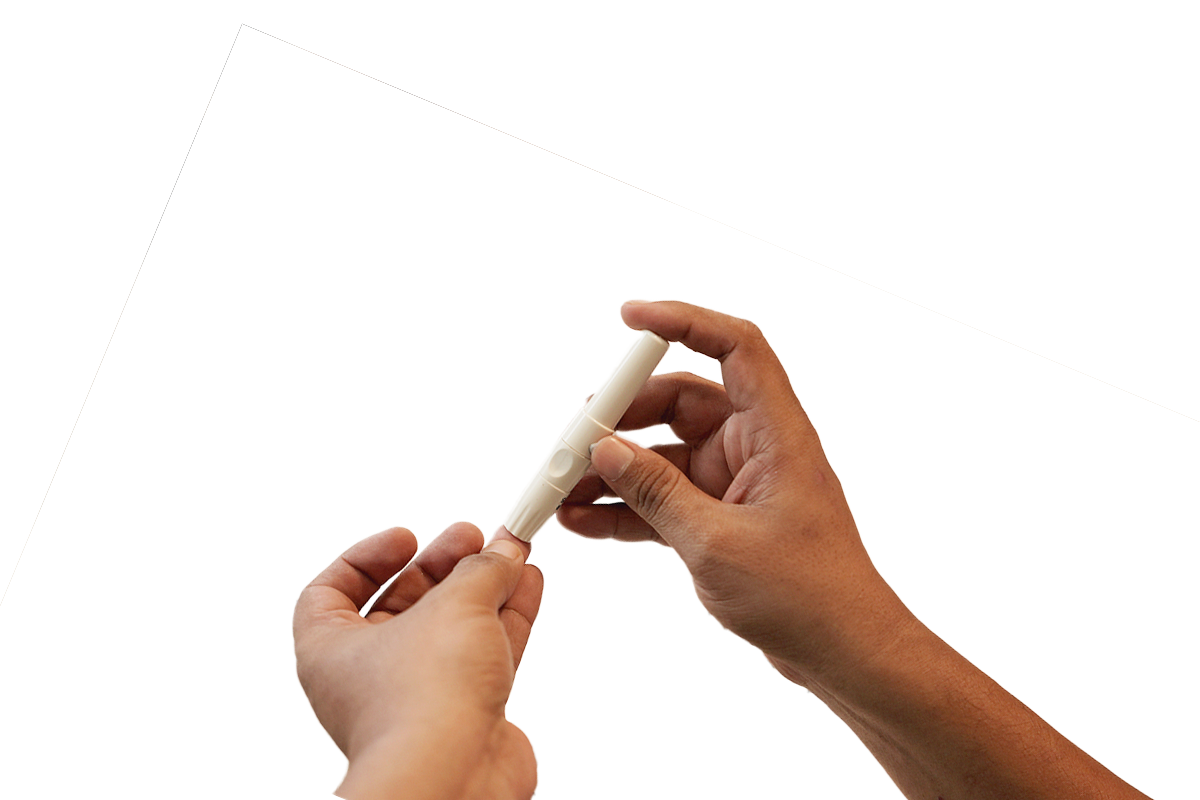
Glucose monitoring helps people with diabetes track their blood glucose (sugar) levels and understand how nutrition, physical activity, medication, illness and lifestyle affect their condition. Monitoring blood glucose is an important part of diabetes management and can help reduce the risk of complications.
People with diabetes commonly monitor their glucose levels through Self-Monitoring Blood Glucose (SMBG), using finger-prick blood glucose testing, or Continuous Glucose Monitoring (CGM) devices.
What is glucose monitoring?
Glucose monitoring is the process of checking blood glucose levels to help keep them in the recommended range and manage diabetes. It is an important part of care for many people living with type 1 diabetes, type 2 diabetes, gestational diabetes and other types.
Why blood glucose monitoring matters
People with diabetes can experience changes in blood glucose levels throughout the day.
Monitoring blood glucose levels helps:
- Understand how the body responds to medication, food and activity.
- Detect high or low blood glucose levels.
- Identify patterns and trends.
- Reduce the risk of short and long-term diabetes-related complications.
- Support daily diabetes management decisions.
- Support healthy lifestyle adjustments.
Regular monitoring also helps healthcare professionals adjust management plans and support more personalised diabetes care.

Types of glucose monitoring
There are three main types of glucose monitoring used to help manage diabetes:
- Self-monitoring Blood Glucose (SMBG)
- Continuous Glucose Monitoring (CGM)
- Flash Glucose Monitoring
Self-monitoring Blood Glucose (SMBG)
Self-monitoring blood glucose (SMBG) remains essential to everyday diabetes management for many people living with diabetes, especially in low- and middle-income countries where access to diabetes technology can be limited.
SMBG usually involves a small blood sample, often taken from the fingertip, and a blood glucose meter that displays the result, providing a snapshot of glucose levels at a specific moment in time.
SMBG includes:
- Blood glucose meters
- Test strips
- Lancets
SBMG helps people with diabetes make informed daily decisions about their condition and identify blood glucose patterns over time.
Continuous Glucose Monitoring (CGM)
Over recent decades, Continuous Glucose Monitoring (CGM) has emerged as a pivotal advancement in managing diabetes. In comparison to SMBG, CGM devices offer a more user-friendly and less intrusive solution for glucose monitoring, providing real-time data that helps people with diabetes make informed decisions about nutrition, insulin dosing and physical activity.
CGM devices provide:
- Real-time glucose readings
- Trend data
- Alerts for high or low glucose levels
- Reduced need for frequent finger pricking
CGM devices use small sensors placed under the skin. These connect through a needle or catheter, which transmits glucose levels to a receiver or smartphone app.
Flash Glucose Monitoring
Flash glucose monitoring, like CGM, uses a wearable sensor, but real-time glucose data is viewed by scanning the sensor with a reader or smartphone.
Like CGM, flash monitoring can provide:
- Current glucose level
- Glucose patterns and trends
- Alarms for high and low blood glucose.
Global access to glucose monitoring
Access to glucose monitoring devices, supplies and technology remains unequal worldwide, with many people living with diabetes, particularly in low- and middle-income settings, lacking affordable and uninterrupted access.
Improving equitable and uninterrupted access to glucose monitoring devices and technology is essential to improve health outcomes for people with diabetes and reduce the risk of diabetes complications.