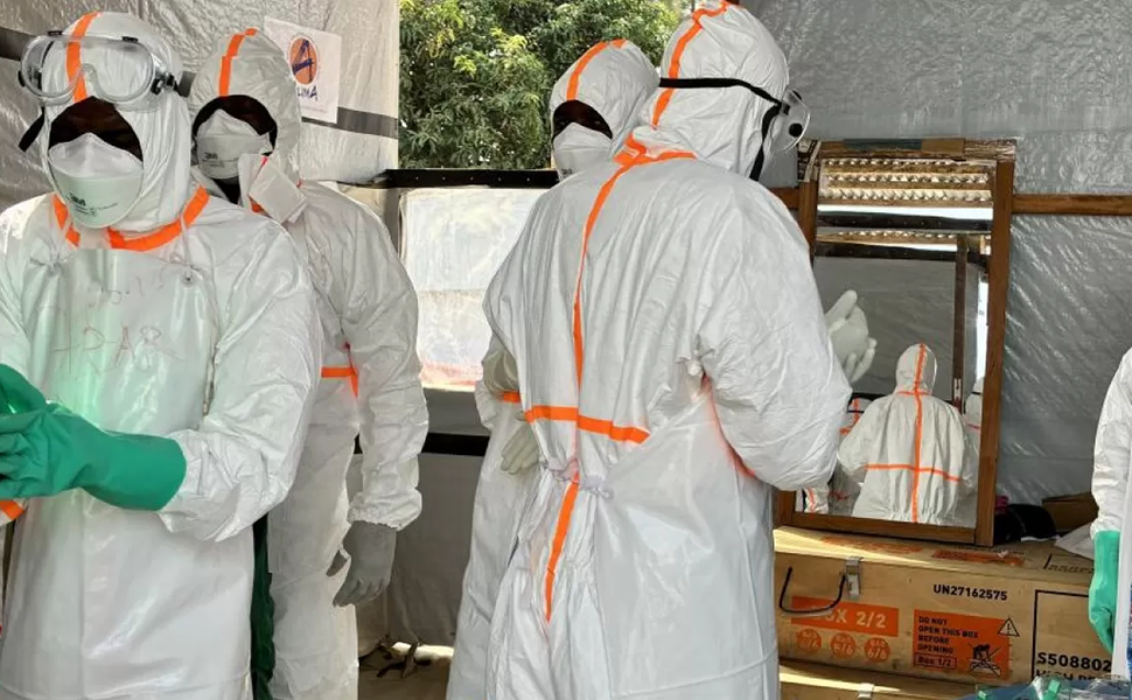
Since 17 May 2026, the Democratic Republic of the Congo (DRC) is experiencing an Ebola outbreak, with more than 5,200 confirmed cases and over 2,500 deaths reported as of 24 August 2026. The Bundibugyo species of Ebola virus has caused an outbreak that has spread across six provinces, with Ituri accounting for the majority of cases and deaths.
The Ebola outbreak in DRC is affecting the country’s health system and capacity to deliver care. The International Diabetes Federation and its Africa Region are in contact with our member associations in the country, the Association des Diabétiques du Congo and Association Vaincre le Diabète au Congo, to help ensure that diabetes medicines and supplies remain available and accessible to people living with diabetes during this disruptive period.
The World Health Organization reports a case-fatality rate of around 47%, while the outbreak has also affected healthcare workers. Response efforts have expanded substantially, including increased laboratory and treatment capacity, improved contact tracing and community outreach. However, continued transmission – particularly deaths occurring outside treatment centres – remains a major public health concern.
Impact of the Ebola outbreak on people with diabetes in DRC
People living with chronic conditions such as diabetes are especially vulnerable during humanitarian health emergencies, when disruption to healthcare services can interrupt access to essential medicines, supplies and care.
According to the IDF Diabetes Atlas, an estimated 2.86 million adults aged 20–79 were living with diabetes in the Democratic Republic of the Congo (DRC) in 2024. This represents about 7.7% of the country’s adult population,
The International Diabetes Federation will continue to monitor the situation closely and provide further updates as more information becomes available.
“In the context of the Ebola epidemic, permanent awareness remains our first line of defense. People living with diabetes must be accompanied not only by clear messages on the rigorous practice of barrier gestures, but also by the regular distribution of small hygiene kits adapted to their daily lives. It is through this continued vigilance and concrete actions that we can protect the most vulnerable and strengthen the resilience of our communities.” Alfred Kakisingi, Association des Diabétiques du Congo (ADIC).

