79th World Health Assembly
On 18-22 May, representatives from the International Diabetes Federation South-East Asia (SEA) Region participated in high-level discussions during the 79th World Health Assembly in Geneva, contributing regional perspectives on diabetes care, obesity, non-communicable diseases (NCDs), digital health, and responsible artificial intelligence in healthcare.
Dr Banshi Saboo, IDF SEA Chair, and Dr Amit Kumar Dey, Chair of the IDF Technology & AI Working Group, joined the IDF delegation at WHA79. Their participation reflected the growing importance of the region in global conversations around diabetes prevention, integrated metabolic care, health system strengthening and equitable access to innovation.
Across the WHA-linked sessions, discussions focused on some of the most urgent priorities for diabetes and NCD care, including obesity prevention and management, cardiovascular-renal-metabolic health, kidney health, metabolic liver disease, type 1 diabetes, gestational diabetes, health financing, primary care strengthening, digital health, and artificial intelligence.
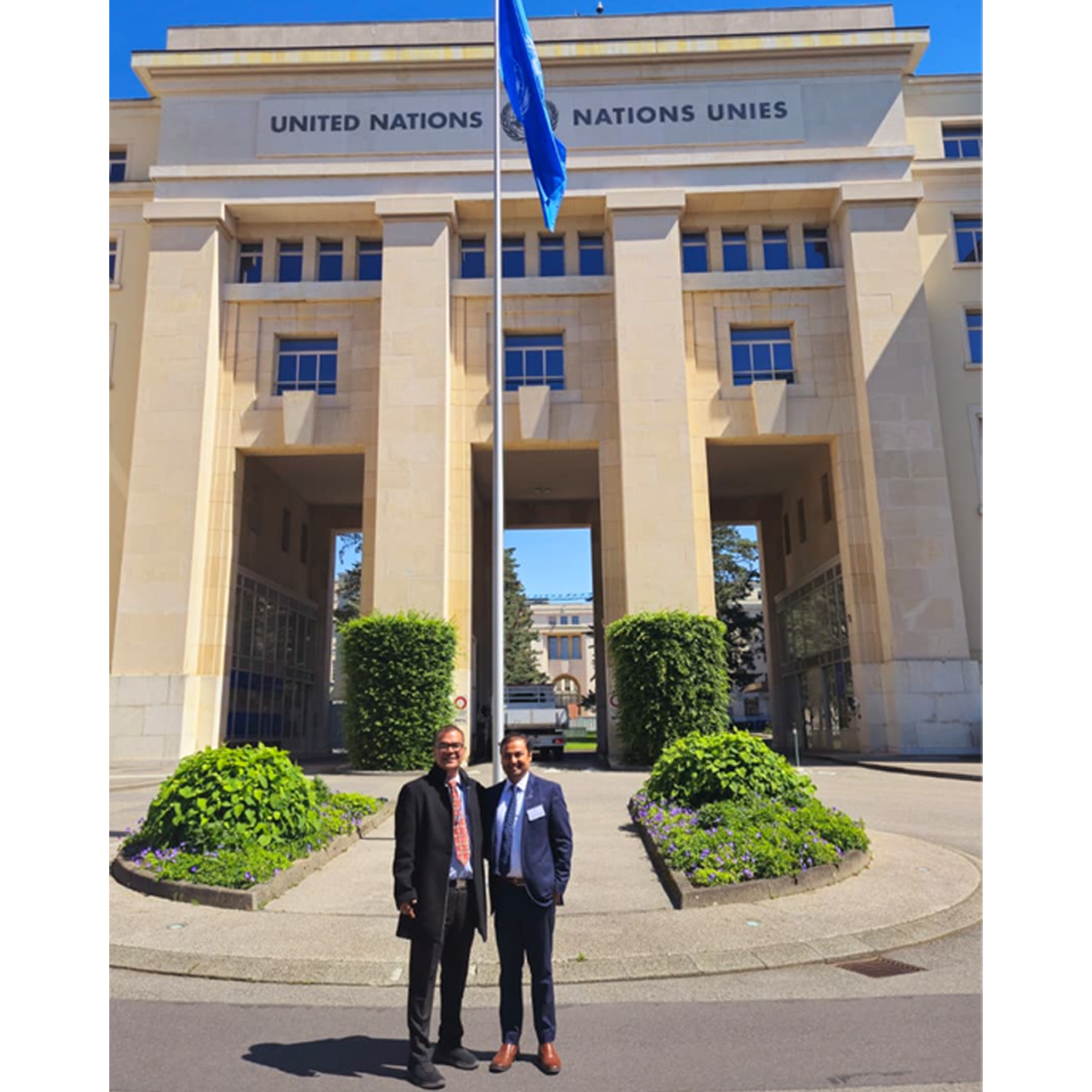
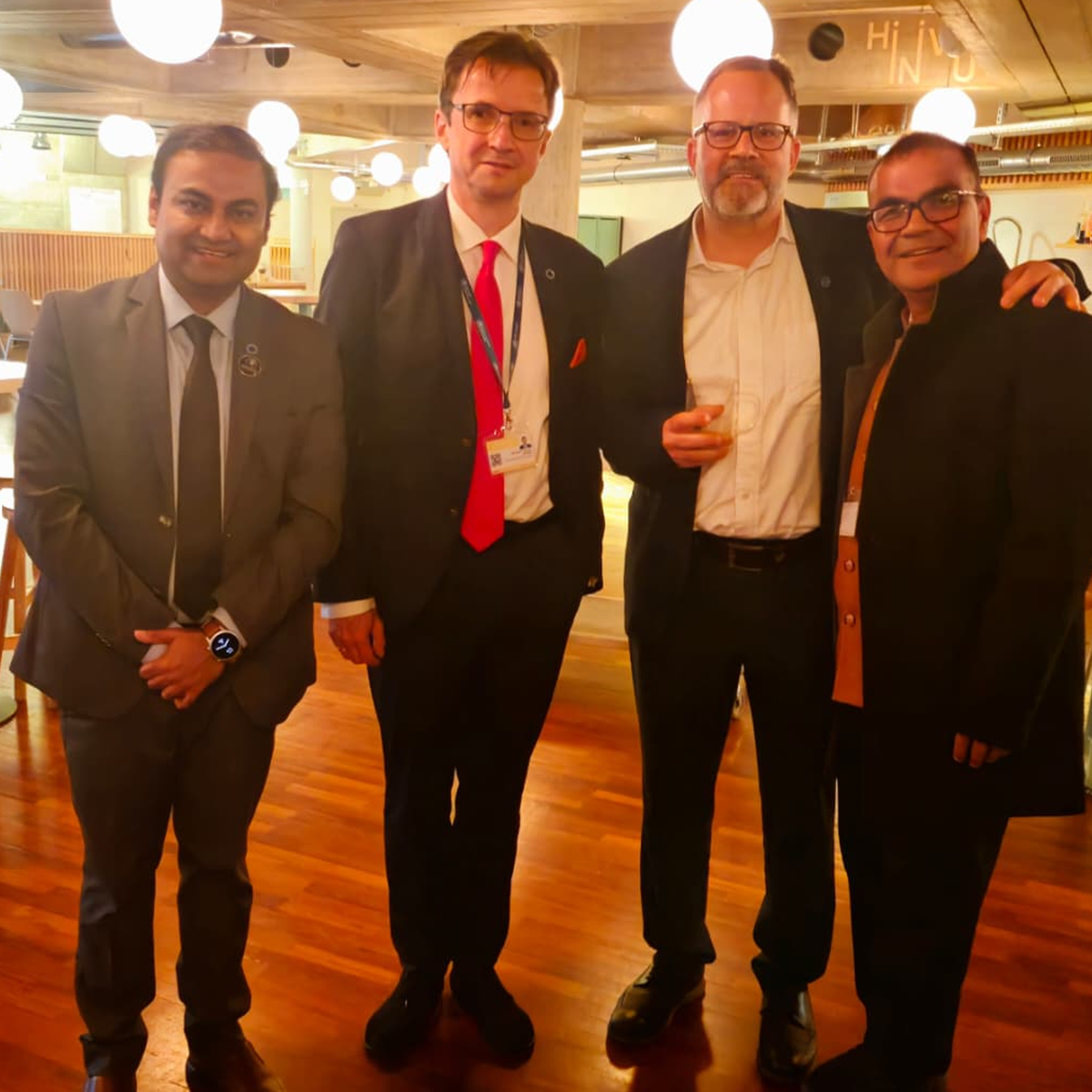
Dr Saboo and Dr Kumar Dey in Geneva and with IDF President Prof Peter Schwarz
These themes are of particular importance for the SEA region, which continues to face a rapidly rising burden of diabetes, obesity, cardiovascular disease, kidney disease and other metabolic conditions. Strengthening prevention, early diagnosis, complication screening, access to essential medicines, technology-enabled care, and structured education remain essential priorities.
Dr Saboo highlighted the importance of integrated, people-centred diabetes care across the region. As Regional Chair, he emphasised that diabetes care must move beyond glucose management alone and address the wider cardio-renal-metabolic and obesity spectrum. He also underlined the need for stronger support for people living with type 1 diabetes, improved access to insulin and monitoring, structured diabetes education, and scalable models of care for low- and middle-income countries.
Diabetes care today must be integrated, accessible and people-centred. For South-East Asia, our priority is to strengthen prevention, early detection, affordable treatment, complication screening and long-term support for people living with diabetes,” Dr Banshi Saboo.

Dr Kumar Dey moderated a fireside discussion on responsible AI in medicine, involving global experts in diabetes and AI-enabled healthcare.
WHA79 discussions also highlighted the increasing relevance of digital health and artificial intelligence in transforming healthcare delivery. Digital tools and AI are being explored globally for screening, clinical decision support, lived experience engagement, remote monitoring, public health planning and improved continuity of care. However, participants consistently emphasised that technology must be adopted responsibly, with strong attention to equity, clinical validation, transparency, data governance and human oversight.
Dr Dey contributed perspectives on responsible AI in diabetes care and healthcare workforce readiness. As Chair of the IDF Technology & AI Working Group, he stressed that AI adoption in healthcare should be guided by clinicians, aligned with patient safety, and adapted to real-world health system needs.
AI and digital health can strengthen healthcare delivery, but responsible adoption is essential. We need clinically validated tools, human oversight, data protection, equity, and structured capacity building for healthcare professionals,” Dr Amit Kumar Dey
A key message emerging from WHA79 week was the need to prepare the healthcare workforce for the digital transformation of health systems. Clinicians, diabetes educators, nurses, public health professionals and administrators will require structured training to understand, evaluate and safely implement digital health and AI-based tools in clinical and public health settings.
The participation of IDF SEA representatives reinforced the region’s commitment to advancing equitable diabetes care, strengthening health systems, supporting people living with diabetes, and ensuring that innovation reaches those who need it most.
From Geneva, the message was clear: the future of diabetes care must be integrated, inclusive, technology-enabled and responsible — with people living with diabetes at the centre of every policy, programme and innovation.
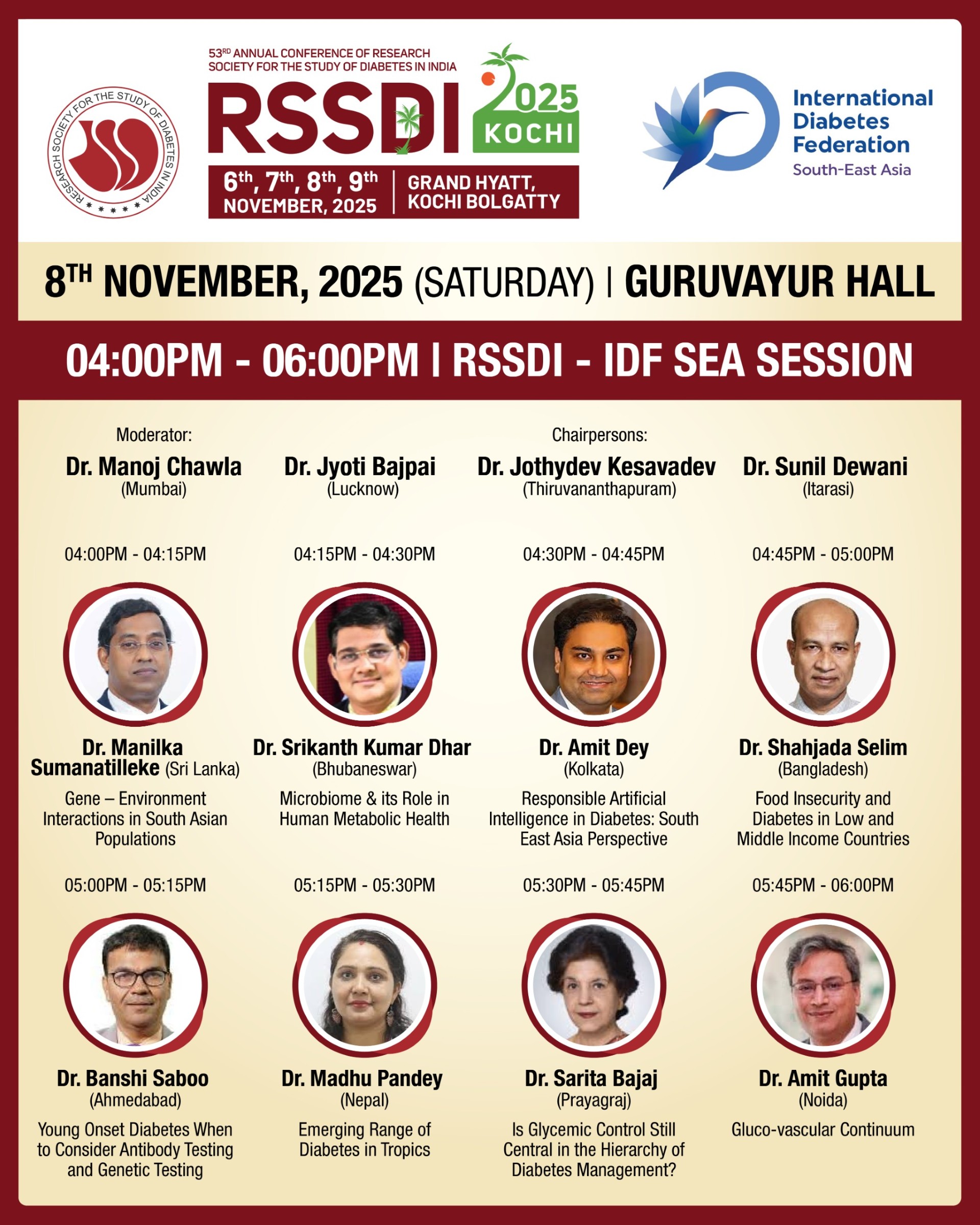
The 53rd Annual Conference of the Research Society for the Study of Diabetes in India (RSSDI 2025) will be held on 6–9 November at the Grand Hyatt, Kochi Bolgatty. As part of the programme, the IDF South-East Asia region will host a two-hour session on Saturday, 8 November (16:00–18:00, Guruvayur Hall) designed to translate emerging evidence into practical guidance for South and South-East Asian settings. The session will highlight region-specific epidemiology, clinical challenges such as early onset and multimorbidity, and health-system realities including access, affordability, and quality, while integrating advances across science, technology, and public health. Participants can expect concise practice takeaways, opportunities for cross-border collaboration, and alignment with IDF priorities on equity, safety, and improved outcomes in diabetes care.