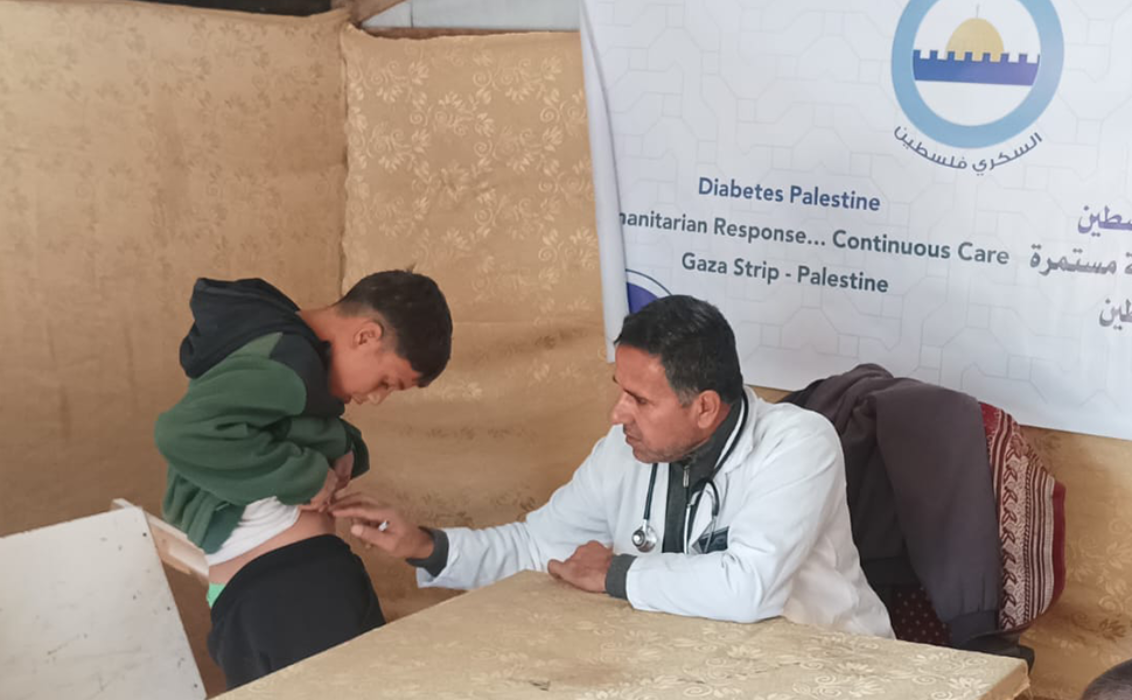
The International Diabetes Federation (IDF) remains deeply concerned by the severe restrictions on access to insulin and essential diabetes care in Palestine. Members of the IDF Board and IDF Disaster Committee have previously raised these concerns, yet significant barriers to lifesaving medicines, supplies and healthcare services persist.
Uninterrupted access to insulin is essential for the survival of people living with type 1 diabetes – an estimated 11,000 people in Palestine, including approximately 3,700 children and adolescents.
A 12 July 2026 assessment by Diabetes Palestine, an IDF member association, confirms that access to diabetes care remains severely constrained in Palestine, particularly in the Gaza Strip. In Gaza, shortages of insulin and essential diabetes supplies are compounded by damaged infrastructure, disrupted cold chains, delays in humanitarian shipment clearance, delivery and distribution challenges, and broader humanitarian constraints affecting essential services and living conditions. Communicable diseases also continue to increase the vulnerability of people living with diabetes and further threaten continuity of diabetes care.
People living with type 1 diabetes, particularly children and adolescents, face immediate and preventable risks. Insulin pens remain largely unavailable through the public health system and unaffordable for many families, while shortages of glucometers, test strips, syringes and lancets undermine safe diabetes management. Without uninterrupted access to insulin and monitoring supplies, people are at increased risk of severe complications, diabetic ketoacidosis and death.
In the West Bank, movement restrictions, intermittent stockouts, reduced clinic services and worsening economic conditions are disrupting treatment and increasing reliance on costly private care, placing people living with diabetes at greater risk of acute and long-term complications. The public health system’s shift toward urgent healthcare priorities has also reduced diabetes prevention, screening, surveillance and continuity of routine care.
These restrictions raise grave concerns under international humanitarian law and international human rights law, including obligations to protect civilians, ensure access to healthcare and facilitate humanitarian assistance. They also reflect broader human-imposed barriers affecting the delivery of essential aid.
The International Diabetes Federation calls on international agencies and all relevant authorities to use their mandates and influence to protect public health, healthcare professionals and facilities, and to ensure safe and unhindered access to diabetes care. Insulin, medicines, monitoring equipment and other essential supplies must be delivered without delay or obstruction, supported by reliable procurement, distribution, stock-monitoring and cold-chain systems.
Urgent action is needed to protect the health, dignity and lives of people living with diabetes in Palestine and in displaced communities across the region.