Diabetes is a chronic condition that affects how the body processes blood glucose. For women and people assigned female at birth, it presents unique challenges influenced by hormonal changes across every life stage.
From puberty and menstruation to pregnancy, menopause, and conditions like PCOS, understanding how hormones impact blood glucose levels and insulin sensitivity is essential for effective diabetes management, early detection and long-term health for women.
Causes of differences in diabetes in women
The core causes of diabetes differ from person to person. Type 1 diabetes results from an autoimmune reaction that damages insulin-producing cells in the pancreas, while type 2 diabetes develops when the body becomes resistant to insulin or does not produce enough insulin.
For women, hormonal fluctuations throughout life can affect the development and management of diabetes.
During puberty, changes in oestrogen and progesterone can impact insulin sensitivity. In adulthood, conditions such as polycystic ovary syndrome (PCOS) are linked with increased insulin resistance. Pregnancy may lead to gestational diabetes, a result of placental hormones that impair insulin function. Later in life, menopause leads to declining hormone levels, which can again affect blood glucose control.
These biological factors, combined with social and lifestyle factors, contribute to how women uniquely experience diabetes.
Who is at risk
A variety of personal, genetic and lifestyle factors may increase a woman’s risk of developing diabetes. Understanding these factors can help in reducing risk and early diagnosis.
A family history of diabetes is one of the most significant indicators. Being overweight or living with obesity also increases the likelihood of developing type 2 diabetes.
Women over the age of 25, particularly those from South Asian, African-Caribbean, or Middle Eastern backgrounds, are more likely to develop gestational diabetes during pregnancy. Reproductive health history, such as previously experiencing gestational diabetes or giving birth to a baby weighing more than 4.5 kilograms, can also indicate increased future risk of type 2 diabetes.
Additional risk factors include a history of polycystic ovary syndrome (PCOS), a sedentary lifestyle and elevated blood pressure or cholesterol levels.
Common symptoms of diabetes in women
The symptoms of diabetes are often similar for all people living with the condition. However, in women, they may occur alongside menstrual irregularities or reproductive health concerns. Common symptoms include persistent thirst, frequent urination, extreme fatigue, blurred vision, and unexplained weight changes.
Frequent yeast or urinary tract infections are also common. In some cases, symptoms related to fertility issues or polycystic ovary syndrome (PCOS) may be early indicators of insulin resistance.
Because these symptoms can be mistaken for normal hormonal changes, it is important to monitor patterns that may suggest problems with blood glucose regulation.
Diagnosis of diabetes
Diabetes is diagnosed using a range of blood tests that measure glucose levels. These include the fasting plasma glucose test, the HbA1c test, the oral glucose tolerance test (OGTT), commonly used during pregnancy, and the random blood glucose test.
Regular screening is particularly important for women during life transitions such as pregnancy or menopause. Hormonal shifts during these periods may lead to undiagnosed changes in glucose levels.
Screening for gestational diabetes is typically carried out between 24 and 28 weeks of pregnancy, although women with higher risk profiles may be tested earlier. Once a diagnosis is confirmed, the healthcare provider will determine the type of diabetes and develop an appropriate treatment plan.
Treatment of diabetes
Diabetes treatment depends on the type and severity of the condition, as well as the person’s age, health status and life stage. Treatment plans often need to be adjusted during menstruation, pregnancy or menopause to account for hormonal influences on insulin sensitivity. In general, managing diabetes involves a combination of healthy eating, physical activity and medication.
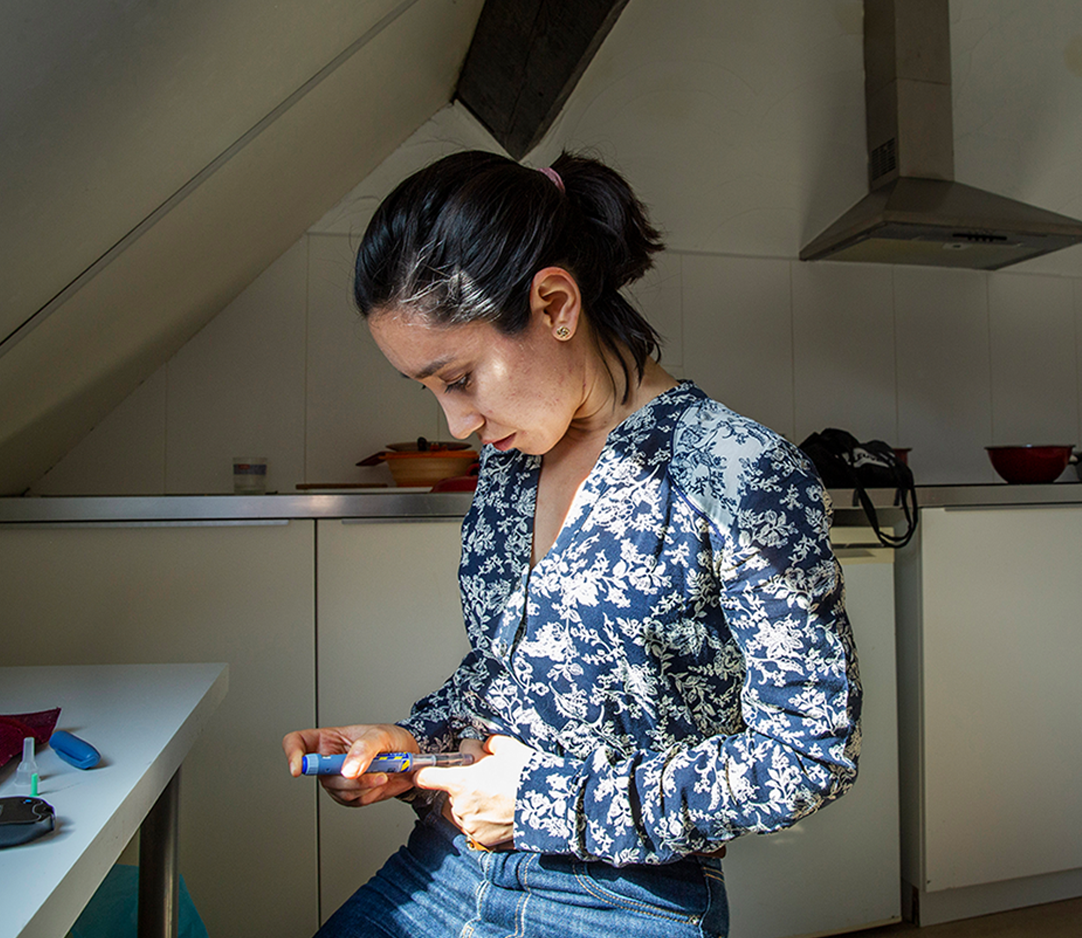
For type 1 diabetes, insulin therapy is essential and must be carefully adjusted in response to hormonal changes. People can manage type 2 diabetes through lifestyle changes alone, or by adding oral medications. However, in many cases, they may also need insulin.
Women diagnosed with gestational diabetes need to monitor their blood glucose closely and may need insulin to maintain their health and that of the baby.

Living with diabetes as a woman
Living with diabetes requires daily management and long-term planning. For women, additional considerations may include:
- Menstrual cycle tracking to observe patterns in blood glucose changes.
- Preparing for pregnancy and maintaining safe blood glucose levels throughout gestation.
- Choosing contraceptives that align with diabetes management.
- Managing menopause-related symptoms and cardiovascular risk.
- Seeking support from diabetes specialists, dietitians and mental health professionals.
With education, support and regular care, women with diabetes can lead healthy, active lives.
Women and type 1 vs type 2 diabetes: key differences
Understanding the type of diabetes is critical for personalised management at each life stage. While both types of diabetes affect blood glucose regulation, their onset and management differ:
| Type 1 diabetes | Type 2 diabetes | |
| Usual age of onset | Often in childhood or adolescence | Typically in adulthood |
| Cause | Autoimmune destruction of insulin-producing cells | Insulin resistance and reduced production |
| Treatment | Always requires insulin | Often managed with lifestyle changes, oral medication, or insulin |
| Impact during pregnancy | Requires intensive monitoring and planning | May develop during pregnancy or be diagnosed then |
| Hormonal interaction | Menstrual cycle and puberty can affect insulin needs | Menopause and PCOS can influence risk and control |
When to talk to a healthcare professional
Women should seek medical advice if symptoms of diabetes appear or during impactful life events such as pregnancy or menopause.
Women living with diabetes should consult a healthcare professional if they notice changes in their menstrual cycle, emotional well-being or blood glucose management. Sudden changes in these factors may indicate an adjustment in treatment.
Women living without diabetes, but who are at risk, such as women with a family history of diabetes or a past pregnancy with gestational diabetes, should request screening. Taking steps early with healthcare professionals results in better outcomes and can prevent or delay diabetes-related complications.
Diabetes presents unique challenges for women at each stage of life. From puberty through to menopause, hormonal changes and reproductive events influence how the condition develops and is managed.