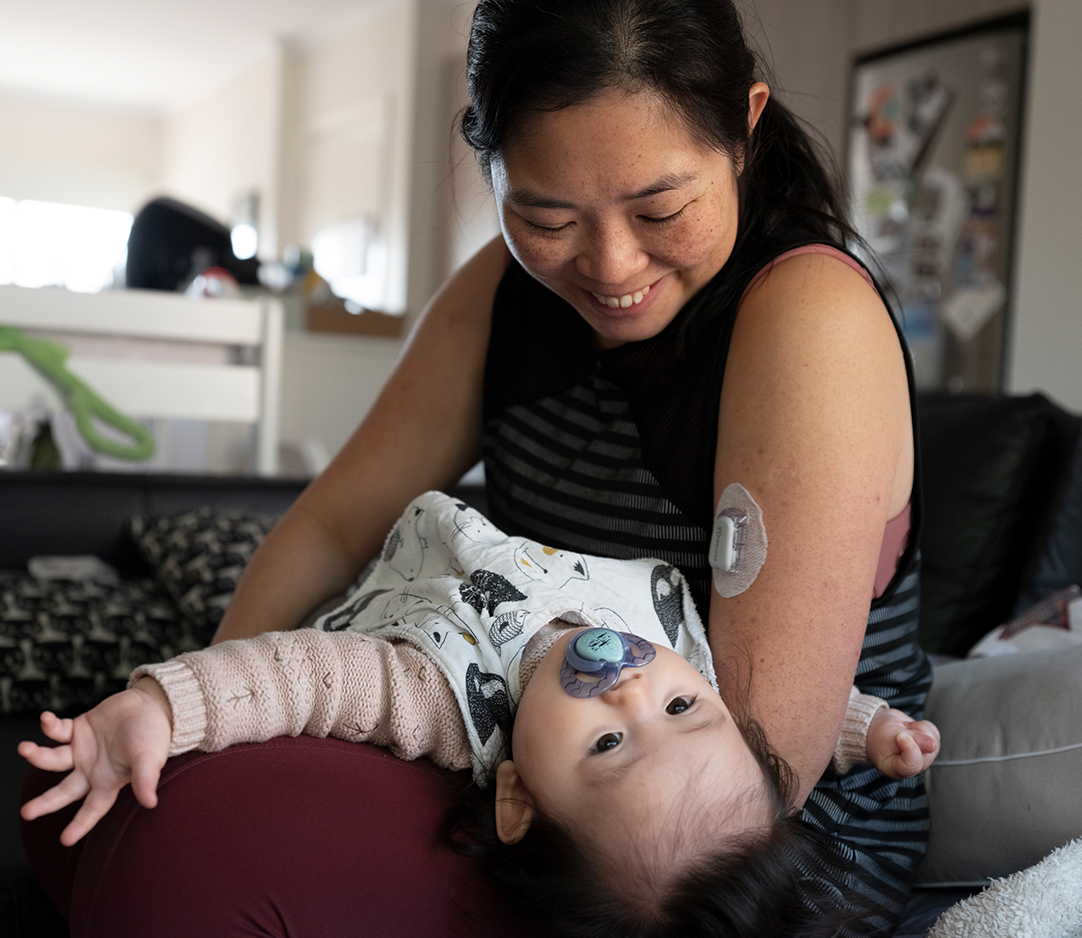
Type 2 diabetes is the most commonly diagnosed type of diabetes, accounting for over 90% of all cases. The primary indicator of type 2 diabetes is insulin resistance, when the body cannot fully respond to insulin. In many cases, the condition can be delayed or prevented.
Because insulin cannot work properly, blood glucose levels keep rising, releasing more insulin. Unfortunately, for some people with type 2 diabetes, this can eventually exhaust the pancreas. As a result, the body produces less and less insulin, causing even higher blood glucose levels (hyperglycaemia).
Changes in diet and physical activity related to rapid development and urbanisation have led to sharp increases in people with type 2 diabetes. Previously, mainly older adults developed the condition. However, due to rising levels of obesity, sedentary lifestyles and poor diet, type 2 diabetes is increasing in children, adolescents and younger adults.

Symptoms of type 2 diabetes
The symptoms of type 2 diabetes are similar to those for type 1 diabetes and include:
- Excessive thirst and dry mouth
- Frequent urination
- Lack of energy, tiredness
- Slow healing wounds
- Recurrent infections in the skin
- Blurred vision
- Tingling or numbness in hands and feet.
These symptoms can be mild or absent, so people with type 2 diabetes can live several years with the condition before being diagnosed.
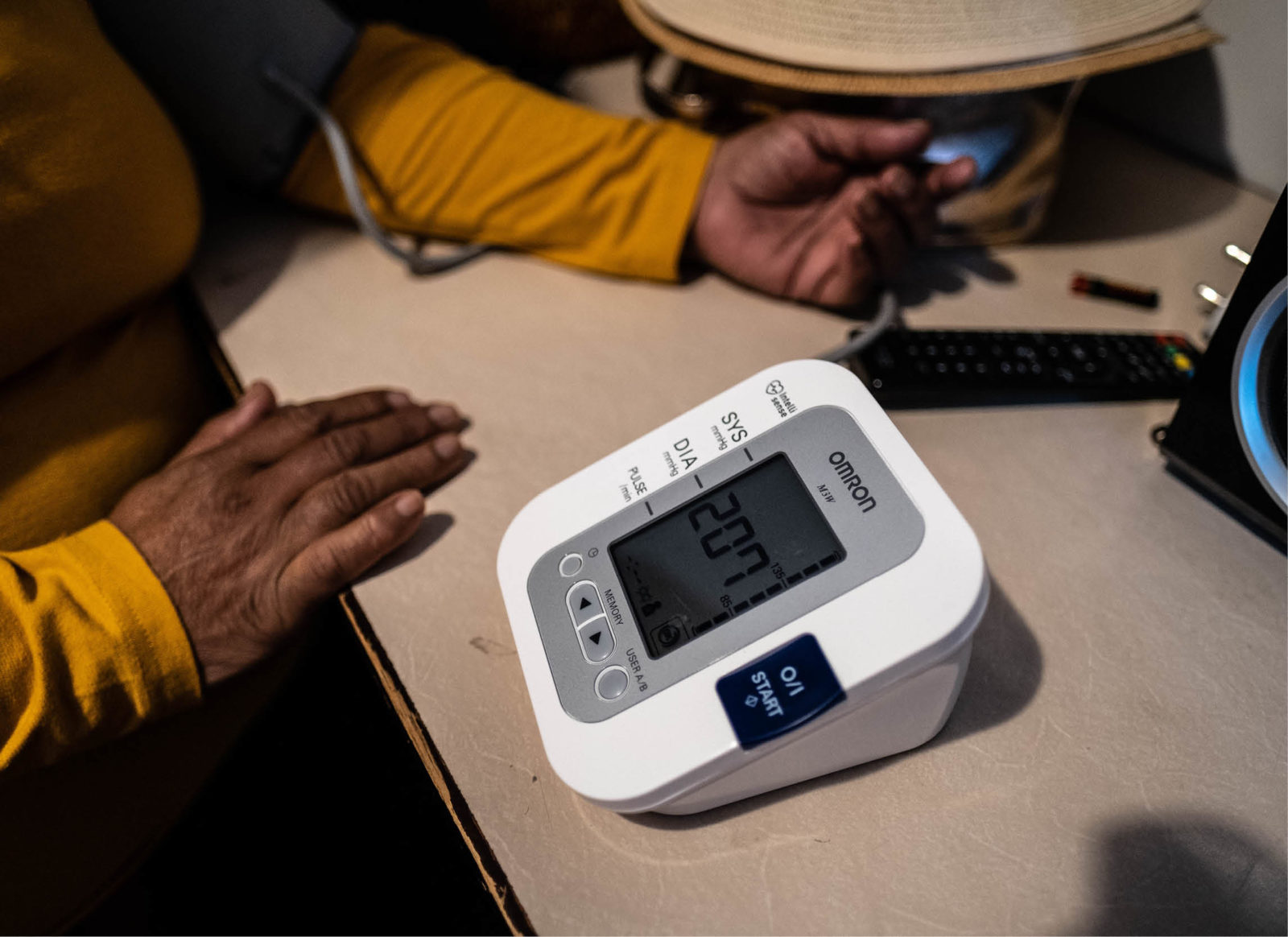
Risk factors for type 2 diabetes
- Family history of diabetes
- Overweight
- Unhealthy diet
- Physical inactivity
- Increasing age
- High blood pressure
- Ethnicity
- Impaired glucose tolerance (IGT)*
- History of gestational diabetes
- Poor nutrition during pregnancy
*IGT is a category of higher than normal blood glucose, but below the threshold for diagnosing diabetes.
Managing type 2 diabetes
The cornerstone of type 2 diabetes management is a healthy diet, increased physical activity, not smoking and maintaining a healthy body weight. Oral medication, often referred to as oral agents, and insulin are also frequently prescribed to help control blood glucose levels.
Over time, a healthy lifestyle may not be enough to keep blood glucose levels under control, and people with type 2 diabetes may need oral medication. If treatment with a single medication is insufficient, combination therapy options may be prescribed.
When oral medication is insufficient to control blood glucose levels, people with type 2 diabetes may require insulin injections.
Continuous Glucose Monitoring (CGM)
Technological advancements in diabetes management include Continuous Glucose Monitoring (CGM) devices. Unlike self-monitoring of blood glucose (SMBG), which involves finger pricking and blood drawing, CGM devices offer a more user-friendly and less intrusive solution to measure glucose levels. For people living with type 2 diabetes treated with insulin, CGM devices can improve quality of life and well-being by providing real-time data that helps make informed decisions about diet, insulin dosing and overall lifestyle.

The benefits of physical activity
Studies examining the benefits of physical activity on blood glucose levels in people with type 2 diabetes show that, although any form of exercise is beneficial, specific activities and their timing can significantly enhance your health.
Healthy eating
For people living with type 2 diabetes, a healthy and balanced diet that includes all major food groups is important to help keep blood glucose levels within the target range, maintain a healthy weight and delay or avoid diabetes-related complications.
Type 2 diabetes resources
Guideline
IDF Global Clinical Recommendations for Type 2 Diabetes Management
These Clinical Practice Recommendations incorporate the latest evidence and advancements in diabetes care and provide a structured yet adaptable framework for healthcare professionals, ensuring they are equipped with practical guidance tailored to diverse clinical settings.
link to https://idf.org/what-we-do/education/idf-clinical-practice-recommendations-for-type-2-diabetes-2025/
Download
Policy brief
Obesity and Type 2 Diabetes: a Joint Approach to Halt the Rise
A policy brief by IDF and World Obesity Federation that provides diabetes and obesity advocates, healthcare professionals and policymakers with recommendations on the actions required to prevent, manage and treat both conditions effectively.
Obesity and Type 2 Diabetes Policy Brief
pdf
2MB

Online course
Type 2 diabetes - Oral agents fact-checking
A free IDF School of Diabetes online course for healthcare professionals that provides a customised set of modules on the management of type 2 diabetes using oral glucose-lowering agents.
link to https://www.idfdiabeteschool.org/premium-courses/t2dm-oral-agents-fact-checking

Online course
Type 2 Diabetes and the Heart
This free 30-minute course explores the impact of diabetes on heart health, focusing on how high glucose levels can affect the blood vessels and lead to heart issues.
link to https://understandingdiabetes.org/type-2-diabetes-heart/en
Access the course