Universal Health Coverage (UHC) is a cornerstone of global health and sustainable development, recognised as a key target in the United Nations Sustainable Development Goals (SDGs).
UHC means all people and communities receive health services without financial hardship. It encompasses essential health services, including prevention, treatment, rehabilitation, and palliative care, ensuring that people can access healthcare without barriers such as cost, geography or discrimination. Strong UHC systems promote healthier populations, reduce health inequalities and drive economic growth by ensuring no one is left behind.
The World Health Organization (WHO) strongly advocates for UHC as a fundamental goal for global health systems. According to WHO, UHC means that all people and communities receive the necessary health services without financial hardship. UHC includes preventive, curative, rehabilitative, and palliative care across all essential health services.
WHO positions on UHC:
- Health as a human right – Everyone should have access to quality health services, regardless of economic or social status.
- Financial protection – Out-of-pocket health expenses should not force people and their families into poverty.
- Strong primary healthcare – A well-functioning primary healthcare system is the foundation of UHC.
- Equity and inclusivity – Healthcare systems must be designed to reach the most vulnerable and marginalised populations.
- Government Commitment – UHC requires strong political will, sufficient public funding, and effective governance.
- Sustainable Development Goal (SDG) alignment – UHC is a key target under SDG 3 (Good Health and Well-being), aiming for complete coverage by 2030.
WHO promotes UHC by:
- Supporting countries in strengthening health systems and policies.
- Providing guidance on financing, service delivery, and workforce development.
- Monitoring progress through the Universal Health Coverage Service Coverage Index.
- Advocating for investments in primary healthcare and public health measures.
Why is UHC important for people with diabetes?
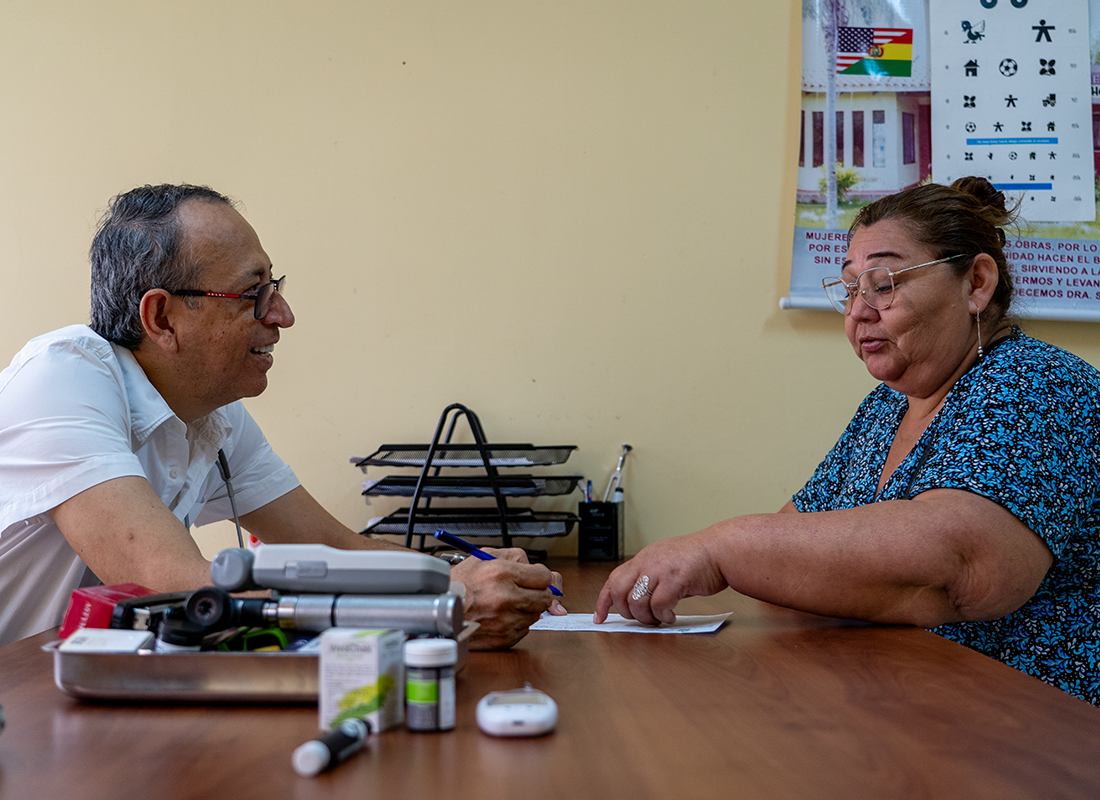
Diabetes is a life-long condition requiring continuous care, including access to insulin, medications, monitoring devices, and professional medical guidance. However, millions of people worldwide struggle to afford or access these essential diabetes care services, leading to severe complications and preventable deaths.
With UHC, people with diabetes would benefit from:
- Affordable and accessible care: Ensuring everyone has access to essential diabetes services, including medications, screenings, and education, without financial burden.
- Early diagnosis and prevention: UHC promotes routine screening and early detection, helping prevent or delay diabetes-related complications.
- Integrated and continuous treatment: UHC supports comprehensive diabetes management, ensuring coordinated care between primary healthcare providers, specialists, and community health workers.
- Reduced out-of-pocket expenses: People with diabetes can face excessive costs for essential medications and devices. UHC aims to eliminate financial barriers to life-saving treatments.
- Improved health outcomes: By providing consistent and quality care, UHC helps people manage their condition effectively, reducing the risk of complications such as heart disease, kidney failure, and amputations.
IDF’s role in advancing UHC for diabetes
The International Diabetes Federation (IDF) advocates for the inclusion of diabetes prevention, care, and treatment in UHC policies worldwide. Through collaboration with governments, healthcare providers, and policymakers, IDF works to ensure that people living with or at risk of diabetes receive equitable access to the care they need.
IDF supports UHC efforts by:
- Raising awareness about the financial and health impact of diabetes.
- Advocating for affordable insulin, essential medicines, and diabetes technologies.
- Promoting diabetes education and prevention programmes to reduce future healthcare costs.
- Supporting research and policy initiatives to strengthen health systems and ensure diabetes care is a priority within UHC frameworks.
UHC ensures affordable, accessible, and continuous care for people with diabetes, preventing severe complications and financial hardship. Without UHC, diabetes becomes a life-threatening and poverty-inducing condition rather than a manageable condition.
Related resources

Statement
WHO WHA78 Constituency Statement: Universal Health Coverage
Statement highlighting that there can be no Universal Health Coverage without addressing NCDs and mental health.
WHA78_13.3.-Constituency_Statement-NCDA
pdf
898KB
Statement
WHO WHA77 Constituency Statement: Universal Health Coverage
Statement that highlights the need to prioritize essential circulatory health services in UHC benefit packages.
WHA77 Agenda Item 11.1 Constituency Statement on UHC [WHF]
pdf
249KB
Position paper
The Road to UHC: Why integration of circulatory health interventions in primary care is essential
A position paper launched by the Global Coalition for Circulatory Health (GCCH) calling for the integration of circulatory health interventions in primary care as part of national UHC plans.
The Road to UHC
pdf
876KB
Putting circulatory diseases at the heart of Universal Health Coverage
A policy brief with recommendations to expand coverage of essential services for circulatory conditions at the primary health care level and support national efforts to achieve UHC.
Putting circulatory diseases at the heart of UHC
pdf
792KB