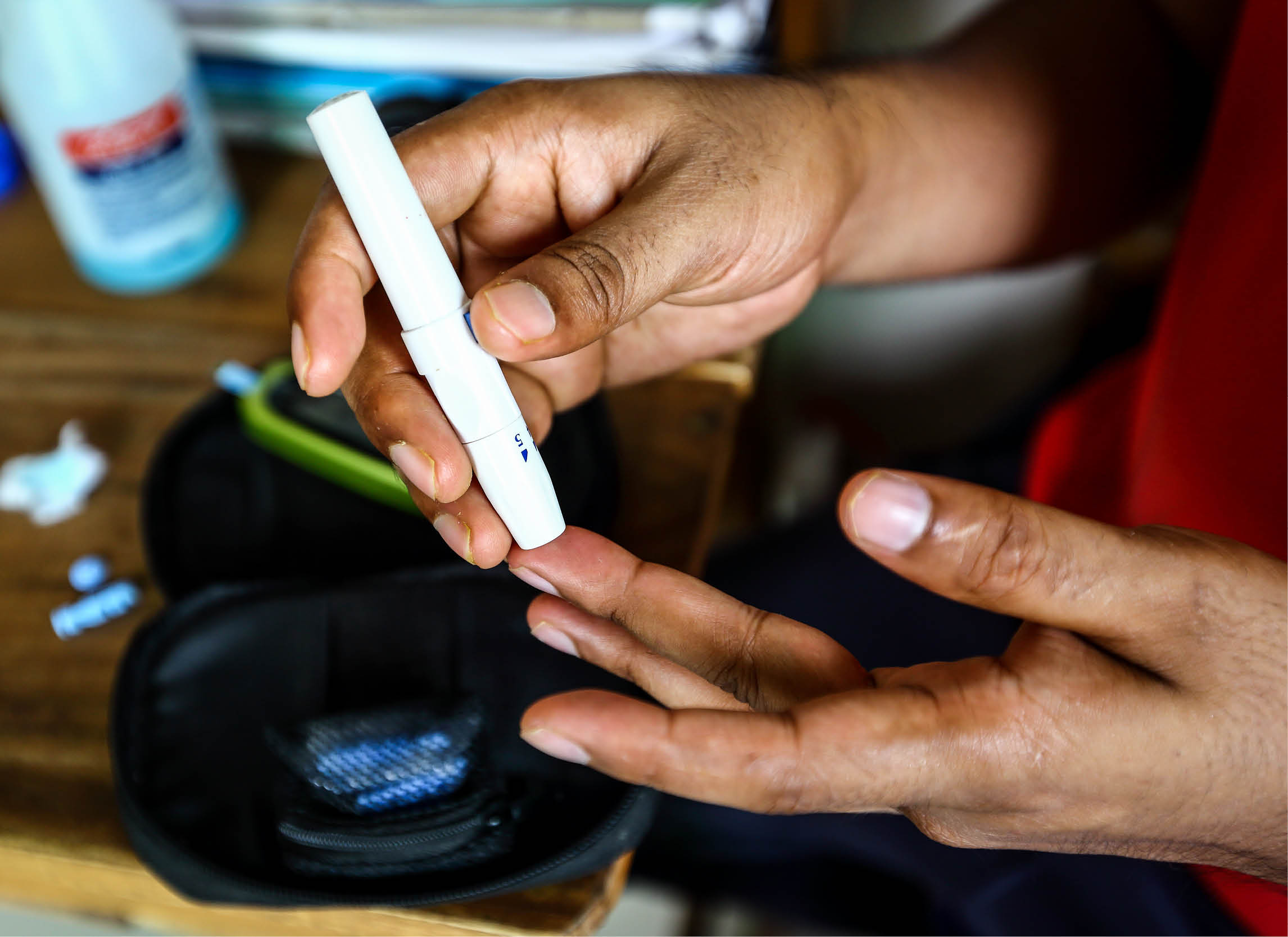
Mental health is an often-overlooked part of living with diabetes. Managing the condition involves far more than just blood glucose levels or medication. It touches daily routines, relationships and emotional well-being.
For many people with diabetes, the pressures of constant self-management, fears about complications and the weight of stigma can lead to anxiety, depression or feelings of burnout. These challenges demonstrate that mental health is not separate from diabetes care but an essential part of it.
Mental health matters in diabetes care
Research shows that people with diabetes are at greater risk of experiencing mental health difficulties than those without the condition. Depression, for example, is almost twice as common in adults with diabetes. When depression is not recognised or treated, it can undermine self-care and worsen health outcomes.
People living with diabetes also often experience high levels of anxiety. In addition to these mental health concerns, diabetes brings its own unique emotional burden. Often referred to as diabetes distress, this stems from the constant responsibility of managing the condition and is closely associated with difficulties in self-care.
The connection between diabetes and mental health
Furthermore, while depression increases the likelihood of developing type 2 diabetes, having diabetes also raises the risk of experiencing depression. Biological, behavioural, and social factors all play a role in driving this two-way connection, creating a cycle that can be challenging to interrupt.
The risk is even higher for people living with severe mental illness. Diabetes is estimated to be two to three times more common in this group, influenced by the effects of certain medications as well as health inequalities and lifestyle factors. This group also faces higher rates of complications and early mortality, highlighting the importance of improving access to quality care.
The impact on self-management
Mental health plays a significant role in the daily management of diabetes. Depression and diabetes-related distress are often linked with lower use of medication, less frequent glucose monitoring and fewer healthy lifestyle behaviours. Over time, this can result in poorer blood glucose control and a higher risk of diabetes-related complications.
Addressing mental health within diabetes care has wide benefits. It supports consistent self-management, encourages continued engagement with treatment, and contributes to better overall health outcomes. Recognising the psychological impact of diabetes is therefore an essential part of effective care.
Steps for better management
Improving mental health support in diabetes care requires action on multiple levels.
- Screening is a recommended first step. Regular checks for depression, anxiety and diabetes distress using established tools help identify challenges early. When screening is part of routine care and supported by clear referral pathways, timely support becomes more likely.
- Integrated care models also make a difference. Approaches that link diabetes specialists with mental health professionals have improved depression outcomes and, in some cases, reduced cardiometabolic risks such as high blood glucose, blood pressure, and cholesterol.
- Person-centred care is another key element. Equitable support combines practical education with attention to emotional factors and opportunities for peer interaction. Services designed in partnership with people living with diabetes, and adapted to cultural and social contexts, are more likely to meet diverse needs.
- Tailored strategies are especially important for people with severe mental illness. This group may benefit from customised care plans, proactive screening, and close monitoring of medications to limit the risk of metabolic complications.
Integrating mental health into diabetes care
Integrating mental health into diabetes care requires commitment from healthcare systems and policymakers. Health professionals should be trained to address physical and mental health needs, making psychosocial support a routine part of diabetes care.
Scaling up integrated care models and investing in peer support programmes will expand access to approaches that address the full spectrum of health needs. Reducing inequality is also critical, with tailored services for groups at higher risk, including people with severe mental illness.
Mental health conditions are common among people with diabetes and have a direct impact on health outcomes. The two-way link between diabetes and depression underlines the need for integrated responses that bring together physical and mental health care. Evidence shows that regular screening, collaborative care, and person-centred approaches improve mental well-being and can also lead to better blood glucose, blood pressure, and cholesterol outcomes.
Making mental health a core part of diabetes care will strengthen overall health services and improve outcomes for people living with diabetes.
Related resources
Booklet
Mental health and diabetes
Published by IDF Europe during European Mental Health Week 2024, this booklet compiles perspectives from people with diabetes, their carers and relatives about the psychological effects of diagnosis and ongoing management. It also includes statistics and narratives about mental health challenges in the diabetes community.
IDF-Europe-booklet-on-Mental-Health_FINAL-1
pdf
2MB
On International Mental Health Day 2024, the International Diabetes Federation hosted this session to raise awareness about mental health issues in the diabetes community. The talk addressed topics such as burnout, distress, emotional demands, and strategies for self‑care and boundary setting.