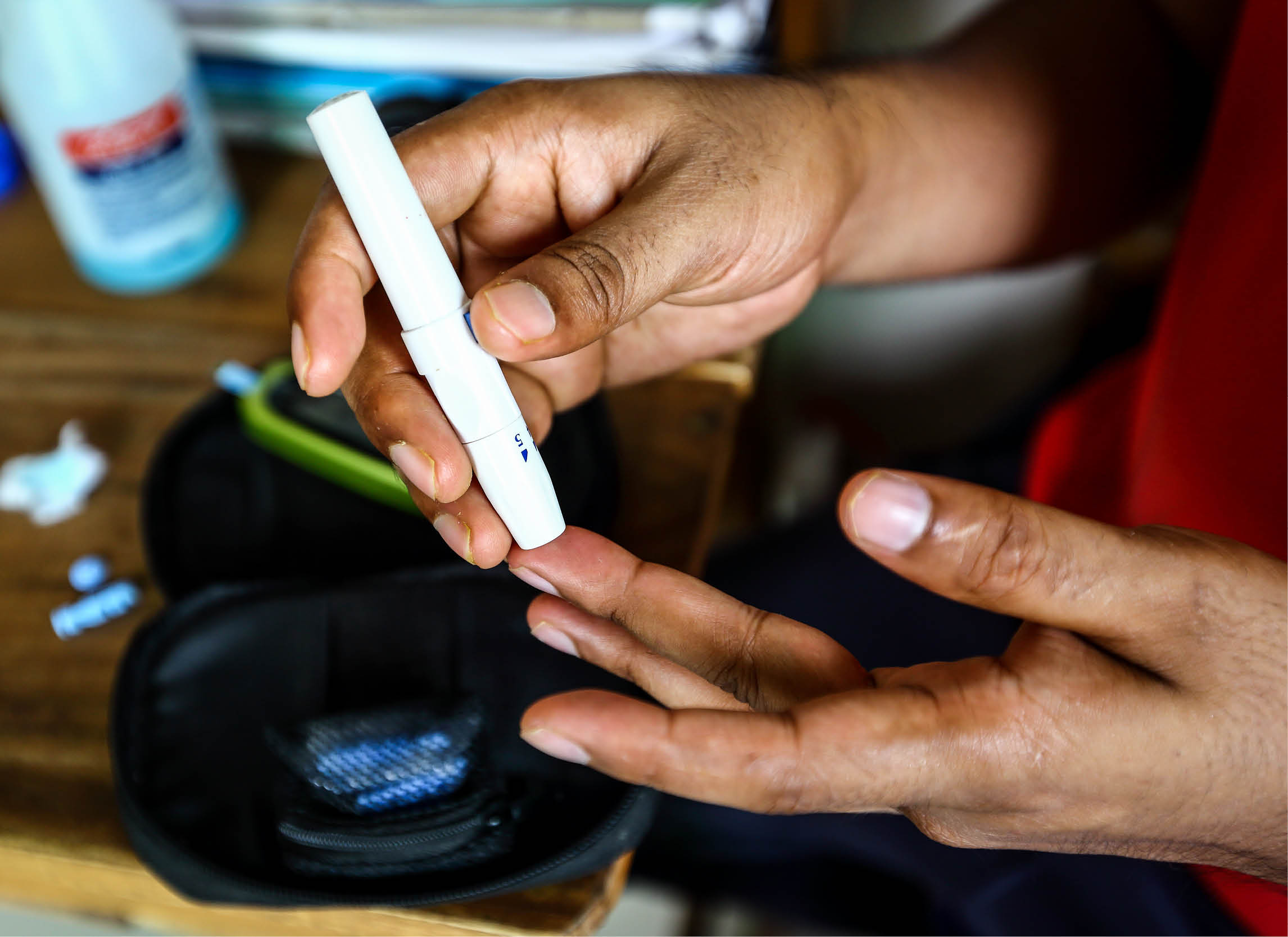
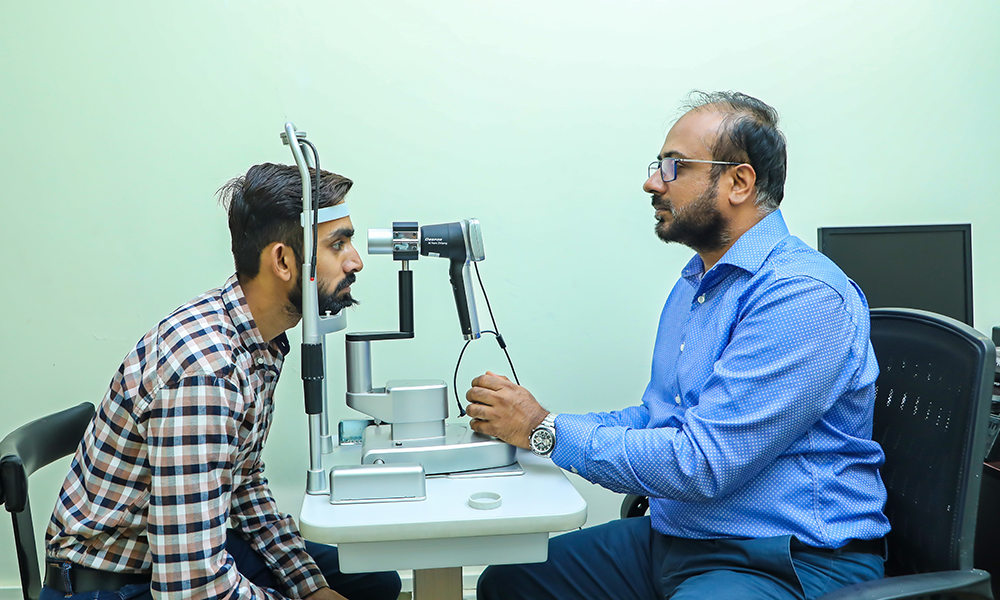
Intermediate hyperglycaemia, often called prediabetes, means higher-than-normal blood glucose levels, yet below the level for diabetes. Often symptomless, it signals a high risk of type 2 diabetes and cardiovascular disease. Early detection is also a window of opportunity to prevent or delay progression with timely support.
Intermediate hyperglycaemia is an umbrella term that includes impaired fasting glucose (IFG) and impaired glucose tolerance (IGT). These refer to raised fasting glucose or raised glucose two hours after a 75-gram oral glucose load, respectively. The terms prediabetes, non-diabetic hyperglycaemia and dysglycaemia are also used in different settings. Regardless of the label, the meaning is the same: blood glucose levels are above the healthy range but not yet in the diabetes range.
According to the latest International Diabetes Federation estimates, over 1 billion adults (20-79 years) are living with intermediate hyperglycaemia – 635 million adults with IGT and 488 million with IFG.
People with intermediate hyperglycaemia are at higher risk of developing type 2 diabetes. They also face a greater risk of heart attack and stroke than people with normal glucose levels. The level of risk depends on personal factors such as age and body mass index, which is why early identification matters. Targeted lifestyle support, combined with medication when needed, can slow or even reverse the condition.

Screening should be offered to adults with risk factors such as:
- Family history of type 2 diabetes.
- Higher body weight.
- History of high glucose in pregnancy.
- Certain ethnic backgrounds are at higher risk.
- Features of metabolic syndrome.
Where resources allow, community screening programmes can help identify people earlier, especially in settings with rising diabetes prevalence. Once identified, people should benefit from structured education that explains results in clear terms and sets out next steps.
Positive lifestyle changes
Support should focus on realistic changes that fit daily life. These include increasing physical activity, adopting a balanced nutrition rich in whole foods and fibre, reducing excess weight when appropriate and addressing sleep and stress. Primary care teams can provide advice, refer people to lifestyle programmes, and consider pharmacotherapy where the risk is high and lifestyle measures are insufficient. The tone should be person-centred and encouraging, recognising that social and economic factors shape choices.
The role of healthcare systems
Healthcare systems can integrate intermediate hyperglycaemia into routine cardiovascular risk assessment, strengthen primary care pathways for testing and follow-up, and invest in prevention programmes that are accessible and culturally appropriate. Monitoring should track both glycaemic measures and broader well-being to sustain engagement. Taking these steps now will reduce future demand for complex diabetes care and improve quality of life for millions.