On 5 September, the World Health Organization (WHO) published updated editions of its Model Lists of Essential Medicines (EML) and Essential Medicines for Children (EMLc), adding new treatments for diabetes with associated comorbidities such as obesity. Several high-profile additions include GLP-1 receptor agonists for type 2 diabetes, rapid-acting insulin analogues, and treatments for cystic fibrosis and cancer.
This biennial list identifies the medicines WHO considers most effective and safe to address the key needs within a functioning health system. It includes 523 medicines for adults and 374 for children and plays a crucial role in shaping national essential medicines lists—an important step towards improving global affordability and access to vital medicines.
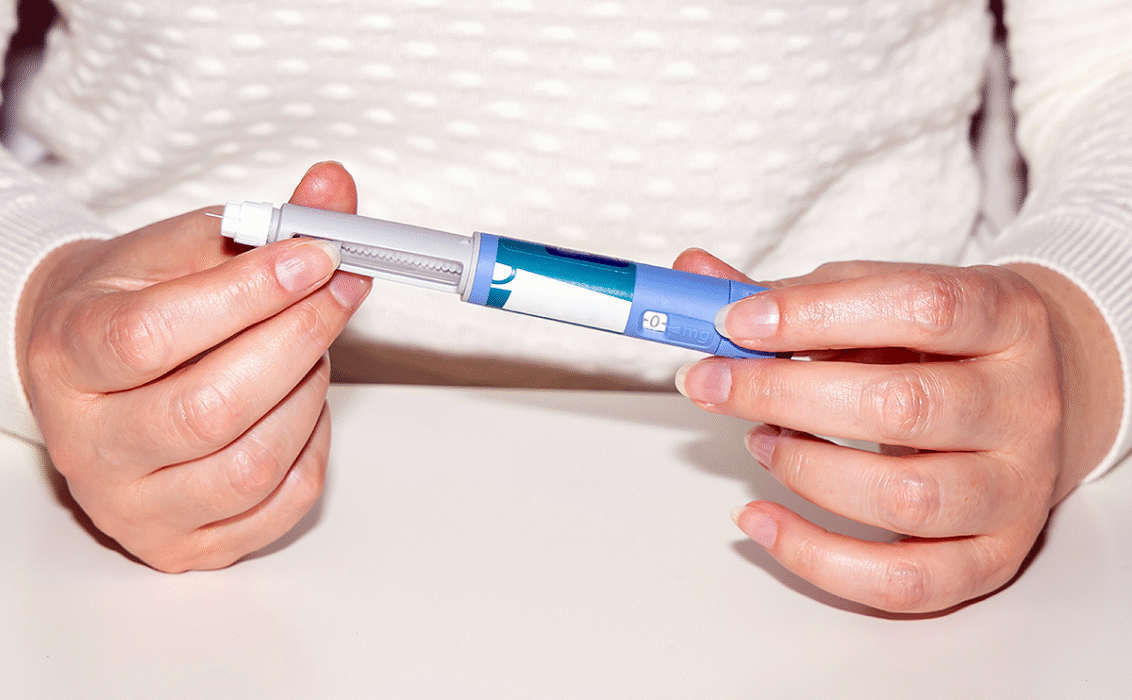
Among the most significant changes this year is the inclusion of GLP-1-based therapies for the treatment of type 2 diabetes, and rapid-acting insulins. The inclusion of GLP-1 therapies, such as the active ingredients semaglutide and tirzepatide, applies specifically to people with type 2 diabetes in combination with cardiovascular disease, chronic kidney disease or obesity. The inclusion is intended to support wider access, particularly as market conditions evolve and more affordable options become available.
The International Diabetes Federation welcomes these additions, which mark a breakthrough in recognising the growing burden of diabetes globally, with an estimated 590 million people living with the condition in 2024.